Starmer's Peevish Iran Statement Fails to Impress in Limp Commons Session
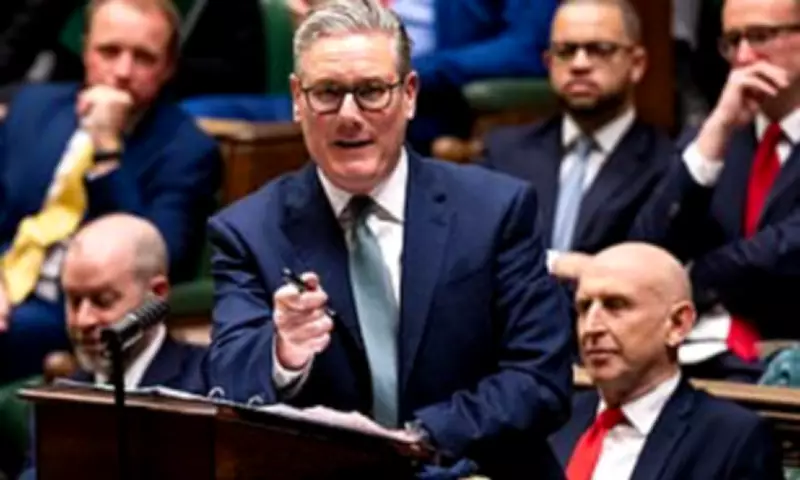
Prime Minister Keir Starmer delivered an inert yet scratchy statement on the Iran war to the House of Commons, managing to appear both listless and peevish while offering little new information. The nasal-toned leader displayed more irritation toward Israel than Iran during his address, which was met with sparse attendance and palpable disinterest from MPs.
Tory Mockery and Forced Labour Praise
Conservative leader Kemi Badenoch laughed that she fully expected Labour to blame her for the conflict, prompting government MPs to cry "Yes!" in genuine agreement. Meanwhile, Labour whips had clearly instructed backbenchers to praise Starmer's "leadership," resulting in awkward commendations from Peter Swallow, Mohammad Yasin, Jim Dickson, Alison Hume, Debbie Abrahams, and purple-haired Afzal Khan, who thanked the Prime Minister for his "statesmanship" before mumbling something about Pakistan.
Starmer absorbed this flattery without interest, demonstrating his discomfort with political niceties. He declared himself "fed up" with wars in what observers described as the sullen tone of a hotel housekeeper annoyed by guests leaving damp towels on the floor.

Empty Rhetoric and International Posturing
The Prime Minister revealed he had spoken with French President Emmanuel Macron, with both agreeing to hold "a leaders-level summit later this year" - a detail that sparked more interest in potential luxurious venues among Westminster journalists than in substantive diplomacy. Despite his constipated disapproval of the conflict, Starmer plainly recognizes he cannot change the situation, instead boasting about "keeping us out of the war" while simultaneously presenting himself as a leader of martial dispatch deploying armed forces to "keep us safe."
Parliament saw through this double bluster, with the chamber remaining far from full throughout the statement. Starmer's language proved particularly uninspiring, as he repeatedly described various initiatives as "really important" and claimed his much-delayed defense investment plan would be "really robust" - assertions that failed to capture anyone's attention.
Policy Clashes and Parliamentary Tensions
When Conservative MP Tom Tugendhat raised concerns about potential oil shortages, Starmer quacked lifelessly about "bearing down on the cost of living." Chancellor Jeremy Hunt suggested the crisis presented an opportunity for radical action like cutting welfare spending, but Starmer showed no interest. Meanwhile, Kemi Badenoch and other Tories implored the Prime Minister to authorize North Sea oil drilling.
Tensions peaked when Conservative MP Graham Stuart became so exasperated with Labour's Net Zero obstinacy that he called Ed Miliband "insane" - a remark quickly withdrawn under Commons rules but one reflecting widespread frustration. Miliband himself made a rare appearance, perhaps concerned that his refusal to support fossil fuel drilling was becoming inconvenient for the increasingly insipid Prime Minister.
The entire session could have been completed in half the time with greater impact, but instead featured Starmer's characteristic dead metaphors and rigid clichés delivered in his notoriously poor English. Unlike thrusting prime ministers who command attention during global crises, Starmer emerged as what critics might call a shriveling swerver - a leader whose words plop out like rabbit droppings, generating no frisson in his political orbit.