Keir Starmer Unveils Comprehensive Strategy in National Address on Iran Crisis
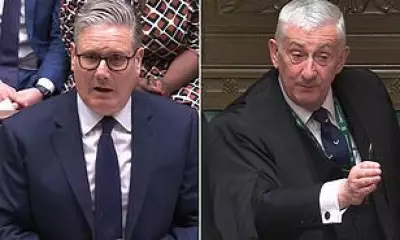
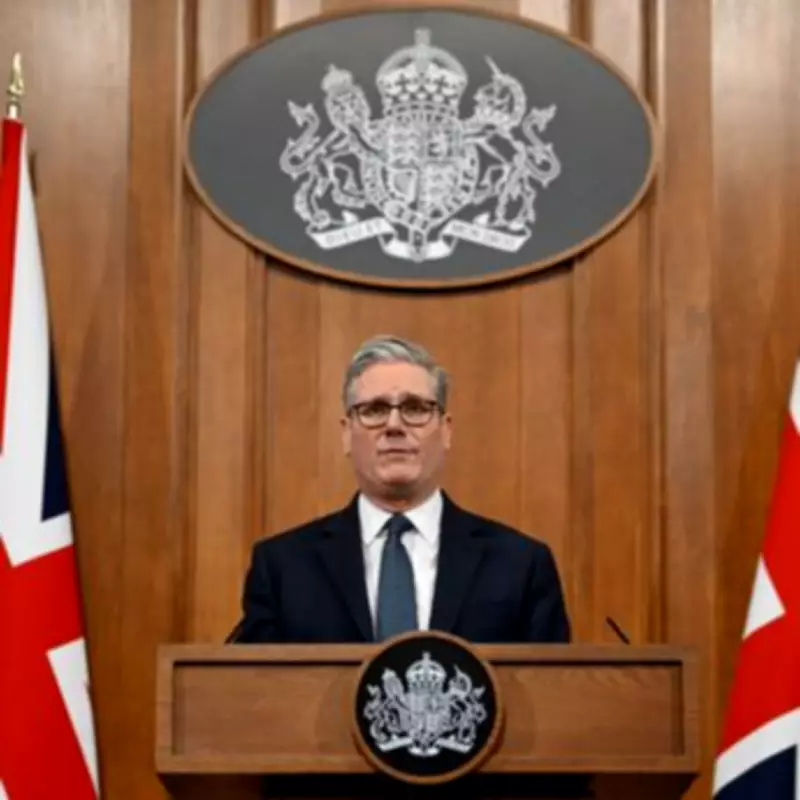
In a pivotal live television address from Downing Street, Prime Minister Keir Starmer delivered a detailed update on the United Kingdom's response to the escalating crisis in the Middle East, emphasizing a measured and defensive approach. The Prime Minister acknowledged the prolonged nature of the conflict and outlined seven critical announcements aimed at safeguarding British citizens and maintaining regional stability.
Enhanced Military Deployments to Bolster Defences
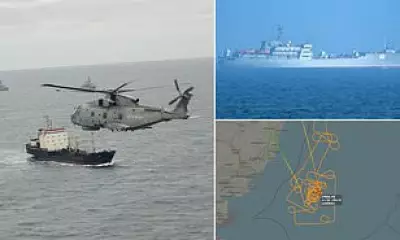
Extra fighter jets have been scrambled to the region as part of a significant military reinforcement. The UK is deploying four additional Typhoon jets to Qatar to strengthen defensive operations. Complementing this move, Wildcat helicopters equipped with anti-drone capabilities are being sent to Cyprus, where RAF Akrotiri, a UK military base, recently suffered a drone strike. Furthermore, HMS Dragon, a Type 45 warship, is set for deployment to the Mediterranean, although its arrival is anticipated next week. Starmer affirmed, "We will maintain this shield over British people in the region and our allies."
Repatriation Efforts and Flight Operations
The government has initiated charter flights to evacuate British nationals from affected areas. The first government-chartered flight from Oman to Britain has successfully taken off after an overnight delay. Additional repatriation flights are being organized to ensure the safe return of citizens in the coming days. Starmer confirmed that over 4,000 individuals have already arrived back via commercial flights from the United Arab Emirates, with seven more flights scheduled for today. British Airways is operating daily flights from Oman, and efforts are underway to increase the speed and capacity of the airlift operation.

Massive Scale of Citizen Registration
More than 140,000 British citizens have registered their presence in the region with the Foreign Office, highlighting the immense scale of the evacuation task. Starmer described this operation as "one of the biggest of its kind," significantly larger than the 2021 Afghanistan airlift. He stressed, "It's not going to happen overnight, but we will not stop until our people are safe."
US-UK Relations Amidst Tensions
Keir Starmer addressed questions regarding the state of the special relationship with the United States, acknowledging that his last conversation with President Donald Trump occurred on Saturday night. Despite Trump's recent criticisms, including branding Starmer "no Winston Churchill," the Prime Minister asserted that the alliance remains operational. He stated, "The special relationship is in operation right now. We're working with the Americans in the deployment from our bases... sharing intelligence on a 24/7 basis." Starmer emphasized that both leaders are making decisions in their respective national interests.
Cabinet Unity and Decision-Making
The Prime Minister faced scrutiny over reports of a Cabinet revolt concerning initial support for US-Israeli strikes against Iran. Starmer clarified that no specific request was made during Friday's National Security Council meeting, and the Cabinet unanimously supported his decision on Sunday to allow the US military to use Diego Garcia and RAF Fairford for targeting Iranian missile sites. He reiterated, "Let me be really clear about this; no request came in the specific terms that we acceded until Saturday afternoon."
Promoting National Unity and Community Outreach
Starmer urged the nation to avoid allowing the conflict to create divisions within British communities. The government is actively reaching out to Jewish and Muslim groups to ensure appropriate protective security measures are in place for communities and places of worship. He remarked, "The sad fact is that some will try to use it to divide us. As a nation we should come together in this moment."

Economic Safeguards and Long-Term Plans
Addressing concerns about economic repercussions, Starmer reassured the public that the UK is working to shield citizens from potential impacts on bills, particularly as Iran targets oil and gas facilities in Gulf countries. He accused Tehran of attempting to "inflict economic pain around the world" and affirmed collaboration with affected industries and allies. Starmer concluded by asserting that the government's long-term strategies on the economy, defence spending, and energy remain sound and resilient.