
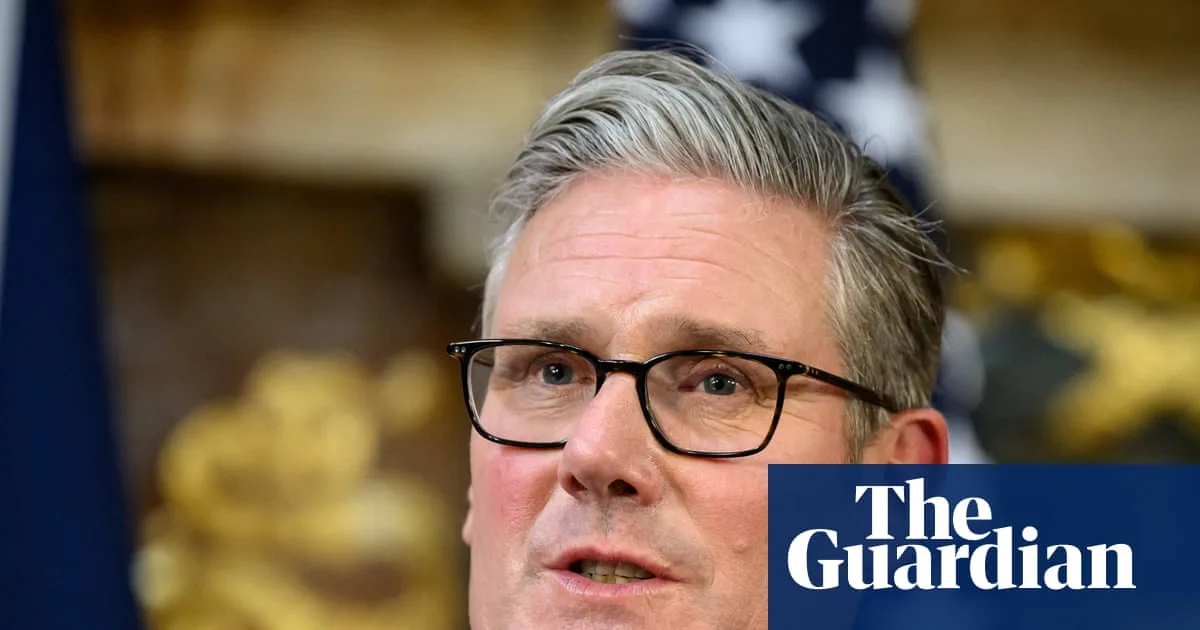
Sir Keir Starmer is set to launch a new year campaign to reduce the cost of living and repair his relationship with voters and Labour MPs. The prime minister will deliver a speech in the coming days focusing on cuts to energy bills, interest rate reductions, and the abolition of the two-child benefit cap.
In his new year message, Starmer said 2026 would be “the year of proof”, echoing his chief adviser Morgan McSweeney’s phrase. He promised voters would “begin to feel positive change in your bills, your communities and your health service”. In a direct attack on Reform UK, he added: “We are getting Britain back on track. By staying the course, we will defeat the decline and division offered by others.”
To shore up support among his own MPs, Starmer has invited Labour members to a series of drinks receptions at Chequers in January and February. This comes as the party braces for heavy losses in May’s local and devolved elections, and as some backbenchers agitate for his removal. One MP described constituency sentiment as “far worse than I thought”, with “real levels of hostility”.
Alongside the political push, Energy Secretary Ed Miliband is finalising a £13bn warm homes plan. The package will prioritise solar panels and batteries over insulation, and will scrap rules preventing plug-in solar panels. An estimated £138 average saving per household from energy levy reforms has been cited, with ministers framing the plan as a long-term cost-of-living measure.
Starmer’s advisers believe that as the impact of early decisions becomes felt, public services will improve and bills will fall, allowing the government to win back disillusioned voters. The prime minister enters 2026 as the least popular on record according to some polls, but hopes the “year of proof” will turn the tide.




