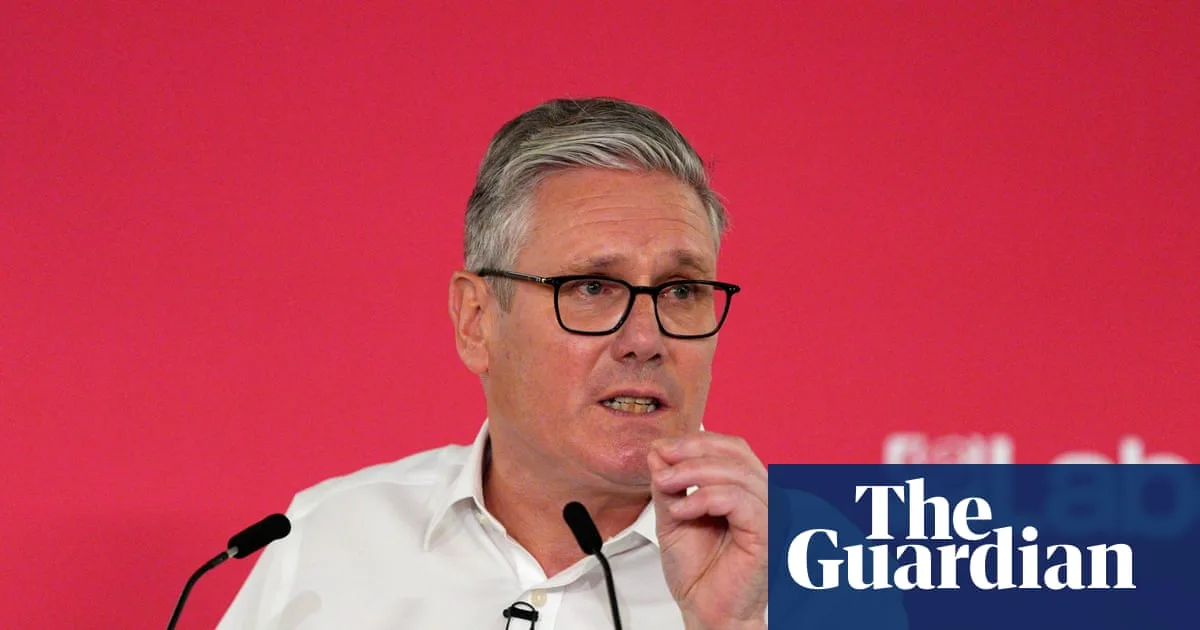
Prime Minister Keir Starmer has called for cabinet discipline as he faces mounting pressure to resign following a series of electoral defeats. In a speech on Monday, Starmer warned that the country would 'never forgive' Labour for plunging into the chaos of a leadership election, and he vowed to prove his doubters wrong.
Senior cabinet ministers, including Home Secretary Shabana Mahmood, Foreign Secretary Yvette Cooper, Defence Secretary John Healey, and Deputy Prime Minister David Lammy, are reportedly among those who have urged Starmer to set out a timetable for his departure. Some have advised him to oversee an orderly transition of power, while others, such as Richard Hermer and Steve Reed, have encouraged him to fight on.
More than 70 Labour MPs have publicly called for Starmer to stand down, representing about 25% of the party's backbenchers. Chief Whip Jonathan Reynolds has been conveying the mood among MPs to Downing Street. Allies of Health Secretary Wes Streeting and Greater Manchester Mayor Andy Burnham have also published letters urging Starmer to go.
Deputy Prime Minister Angela Rayner has thrown her support behind Burnham, arguing that blocking his candidacy in a recent by-election was a mistake. Her own leadership prospects have diminished, with allies suggesting she may not run for the top job. Starmer survived an immediate threat after potential stalking-horse candidate Catherine West changed course and instead gathered names of MPs supporting an orderly transition.
In his speech, Starmer said: 'I take responsibility for not walking away, not plunging our country into chaos, as the Tories did time and again. A Labour government would never be forgiven for inflicting that on our country again.' He insisted he would fight any leadership challenge and prove his doubters wrong.