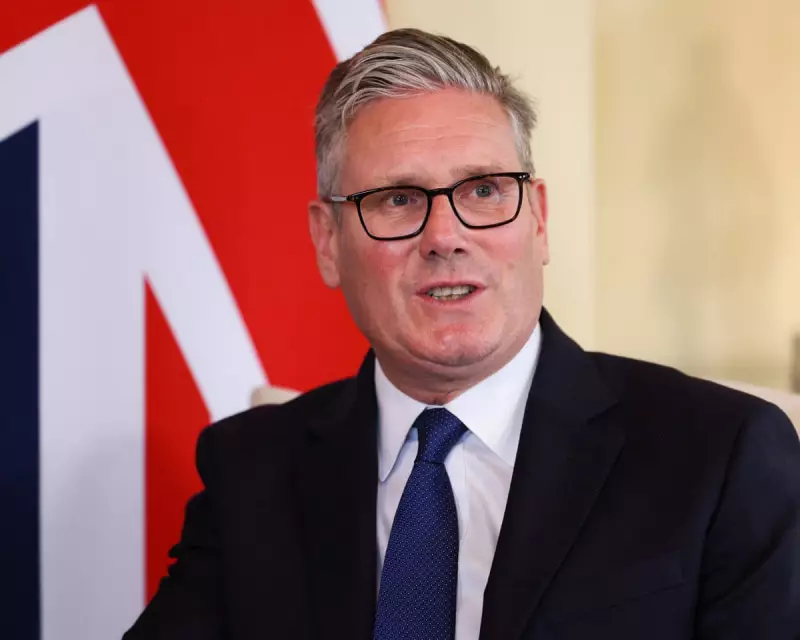
A chorus of internal criticism is growing within the Labour Party, with members and commentators urging Sir Keir Starmer to seriously engage with his opponents inside the party or risk a devastating defeat at the next general election. The warnings come despite recognition of the government's early achievements since taking power in July 2024.
The perils of an iterative leadership style
In a series of letters to the Guardian, respondents to columnist Polly Toynbee's defence of the government highlighted a core problem with Starmer's leadership. They point to analysis by his biographer, Tom Baldwin, who describes the Prime Minister as an "iterative problem solver" who eventually finds the right solution.
However, critics argue this approach has three major flaws. Firstly, it wastes precious time when Starmer's starting position is too far from the correct policy. Secondly, frequent U-turns make him appear weak to both parliamentary opposition and the electorate. Finally, and most damagingly for party unity, it sows anger, frustration, and resentment among Labour's own ranks.

"In short, Starmer should listen seriously to his opponents in his own party," argues Hylton Guthrie from North Shields. When the instinct is to suppress dissent rather than heed it, Guthrie contends, it takes the leader far too long to realise when he is wrong.
Popularity crisis and the spectre of the far right
The letters acknowledge Toynbee's point that the Labour government has secured worthwhile achievements since the July 2024 election. Yet, as she noted, this counts for little when the government and its leader remain deeply unpopular with voters.
Dr Anthony Isaacs from London warns of a clear and present danger. Without a significant restoration of Labour's political fortunes, the party faces defeat by the far right at the next general election, which would likely see its hard-won achievements dismantled. Voters, he agrees, have little patience for incumbents who fail to deliver rapid change, a situation compounded by policy errors and a failure to communicate a compelling narrative.
This bleak outlook leads to difficult questions about leadership. Isaacs suggests one of the hardest decisions a leader must confront is whether their continued presence helps or hinders their party and country. He posits that Starmer may need to reflect on whether stepping aside at an appropriate time could allow a new leadership to better unite the party and build collaborations to block a return to destructive right-wing policies.
Gaza and the shadow of Iraq
Another critical letter draws a stark historical parallel. Keith Flett from Tottenham notes that while New Labour, for all its faults, delivered positive reforms like the minimum wage, its legacy was forever poisoned by the Iraq war.
Today, he argues, the conflict in Gaza plays a similarly dominant and damaging role, rightly looming large in the public consciousness and overshadowing other government work. Flett's conclusion is blunt: Labour must shed its "imperial delusions" or face a future as bleak as that prophesied by the Sex Pistols decades ago.
A note of support amidst the criticism
Not all correspondence was critical. One letter from Julia Morrison in Newcastle upon Tyne welcomed Toynbee's "courage" in listing the government's positives. Morrison expressed frustration with the expectation that years of Conservative mismanagement could be reversed instantly and urged people to get behind the Labour team.
Nevertheless, the prevailing mood from the published letters is one of urgent concern. The core message to Keir Starmer is unambiguous: to secure Labour's future and prevent a far-right resurgence, he must start listening to the critical voices within his own party, and he must do so now.