Pressure Mounts on Keir Starmer Amid Mandelson Vetting Scandal
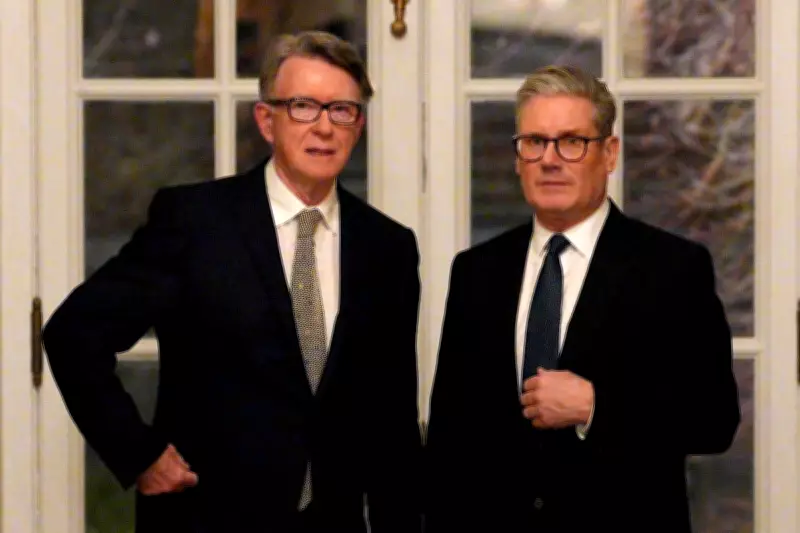
Keir Starmer is facing intense political pressure following revelations that Lord Peter Mandelson failed crucial security vetting for the role of US ambassador, yet was appointed to the position regardless. The controversy has sparked accusations from Conservative leader Kemi Badenoch that Sir Keir misled Parliament by asserting three times that full due process was followed in the appointment.
Vetting Failure and Overruling by Foreign Office
Reports indicate that Lord Mandelson was denied critical clearance for the ambassador role, primarily due to concerns over his business links to China and past associations with paedophile financier Jeffrey Epstein. Despite this, the Foreign Office took the unusual step of overruling the vetting recommendation, allowing Mandelson to assume the post. This decision has raised serious questions about transparency and adherence to security protocols within the government.
Accusations of Misleading Parliament
Kemi Badenoch has publicly accused Sir Keir Starmer of providing misleading information to MPs, claiming he repeatedly stated that proper procedures were upheld. The allegations come at a sensitive time, as Lord Mandelson was subsequently sacked and is now subject to a police inquiry over claims he leaked sensitive government documents to Jeffrey Epstein. This adds a layer of complexity to the scandal, linking it to broader issues of national security and ethical conduct.

Background and Ongoing Investigations
The Independent previously highlighted concerns that Mandelson's vetting failure stemmed from fears his ties to Epstein could compromise his role, alongside his business connections in China. The ongoing police inquiry into the document leaks further intensifies scrutiny on the appointment process and Starmer's handling of the situation. As the story develops, it underscores challenges in diplomatic appointments and the importance of rigorous security checks.
This unfolding scandal not only impacts Starmer's credibility but also prompts broader discussions about vetting standards and political accountability in high-stakes roles.