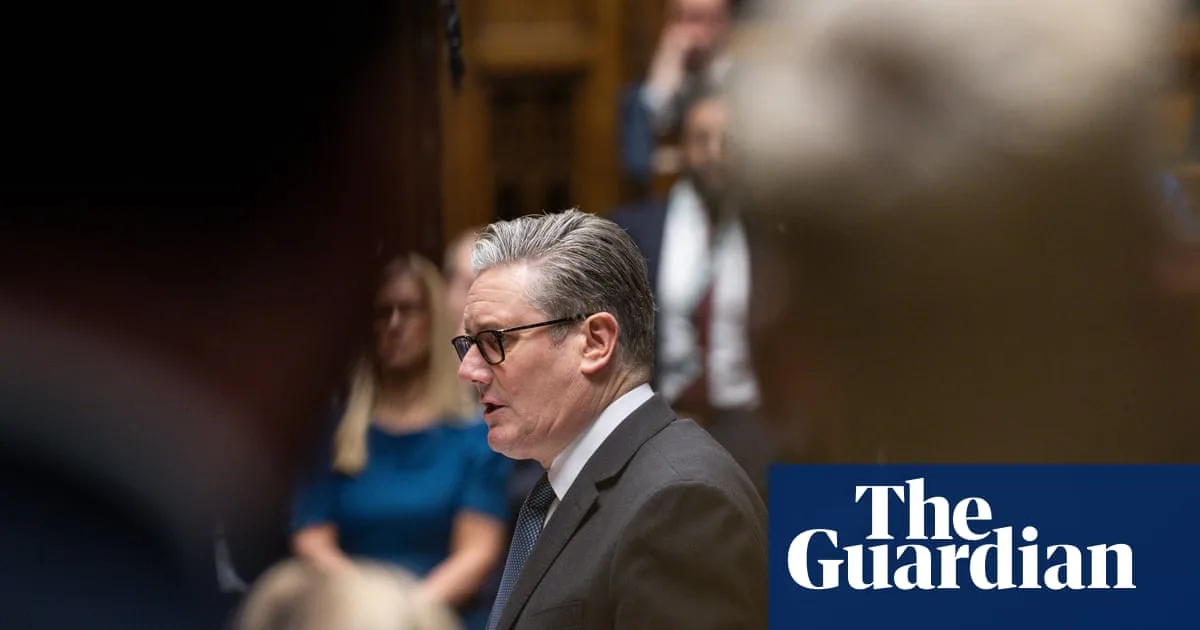
Mandelson-Epstein Scrutiny: Starmer Faces Pressure Over Ambassador Vetting
Starmer Under Fire Over Mandelson-Epstein Vetting Process

Starmer Confronts Mounting Pressure Over Mandelson's Epstein Ties and Ambassador Vetting

The government is facing intense scrutiny following revelations about the relationship between former peer Peter Mandelson and the late financier Jeffrey Epstein. Pressure is mounting on Downing Street to disclose the full details of the vetting process that preceded Mandelson's controversial appointment as US ambassador in December 2024.

Prime Minister's Knowledge Under the Microscope

Keir Starmer has confirmed for the first time that he was aware of Mandelson's longer-term relationship with Epstein before making the diplomatic appointment. The prime minister stated that Mandelson had "lied repeatedly" about the extent of his contact with the convicted child sex offender. This admission comes after widespread reporting that Starmer knew Mandelson maintained ties with Epstein even after his conviction.

A Downing Street source revealed that reports linking Mandelson and Epstein had been examined during the appointment process, including those emerging after Epstein's conviction. "Peter Mandelson lied to the prime minister, hid information that has since come to light and presented Epstein as someone he barely knew," the source stated. They added that new information revealed in November showed the relationship was "materially different" from what had been disclosed, leading to Mandelson's swift dismissal from his Washington position in September.

The Two-Stage Vetting Procedure Unveiled

Mandelson underwent a comprehensive two-stage vetting process before his appointment. The initial phase involved due diligence conducted by the Cabinet Office's propriety and ethics team, which compiled a document containing publicly available information about Mandelson's connections to Epstein. This included details about overnight stays at Epstein's residence and their ongoing friendship following Epstein's release from prison.

After reviewing this file, Starmer reportedly asked Mandelson to address three specific questions through his chief of staff, Morgan McSweeney:

  1. Why he maintained contact with Epstein after his conviction
  2. Whether he had stayed at Epstein's properties during his incarceration
  3. If he associated with any Epstein-backed charities connected to Ghislaine Maxwell

Downing Street appeared satisfied with Mandelson's responses at the time, proceeding with the appointment. The second stage involved the more secretive developed vetting (DV) process, where officials examined sensitive areas including finances, business records, sexual history, foreign travel, and personal relationships to assess honesty and potential vulnerability to coercion.

Unanswered Questions and Political Fallout

The outcome of the DV process remains officially unknown, as these procedures are never made public and provide only a binary decision with possible mitigations. Since Mandelson assumed the ambassador role, it's assumed he received clearance, though whether any mitigations were implemented remains unclear.

Downing Street has maintained faith in the vetting process, but revelations have emerged that officials did not request access to Epstein documents from the US Department of Justice before Mandelson's appointment. The government has repeatedly avoided questions about whether they sought to view Mandelson-related documents before their publication.

With two major criminal investigations into Epstein producing over 6 million documents, images, and videos, political criticism has intensified. Labour MPs have privately accused Number 10 of "distinct incuriosity," while Conservative leader Kemi Badenoch challenged Starmer during Prime Minister's Questions, stating: "He did know, it was on Google. If the Conservative research department could find this information out, why couldn't No 10?"

The controversy continues to raise fundamental questions about government appointment procedures, transparency in vetting processes, and the political accountability surrounding high-profile diplomatic positions.




