Starmer Survives Mandelson Vetting Crisis but Government's Troubles Persist
Prime Minister Keir Starmer has narrowly survived a parliamentary storm over the handling of Peter Mandelson's security vetting, but his administration continues to face profound questions about its control and competence. The core of Sir Keir's defence – that he was not informed about the vetting failure – remains technically unchallenged, yet it paints a picture of a government struggling to command events.
'Nobody Told Me': A Prime Minister's Unconvincing Defence
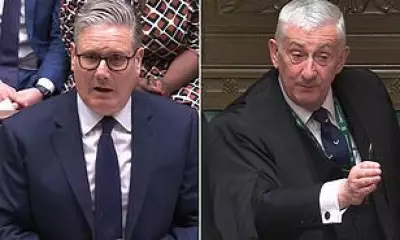
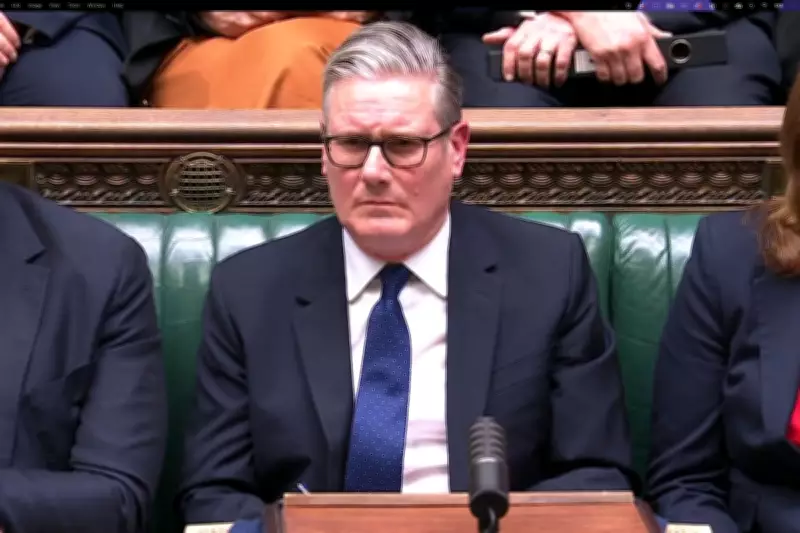
In a tense statement to the House of Commons, Sir Keir Starmer asserted that he was kept in the dark about critical details regarding Lord Mandelson's developed vetting for the sensitive role of Ambassador to Washington. "Nobody told me" has become the defining phrase of his explanation, a position he maintains even when pressed on why knowledge was allegedly withheld despite his inquiries.
The prime minister portrayed himself as a victim of a cover-up orchestrated within the Foreign Office, implicating former head of the diplomatic service Sir Olly Robbins. However, Sir Olly is expected to counter that he acted within legal boundaries to assist ministers. For now, Starmer's claim of ignorance stands, however implausible it may seem to observers.

Staggering Administrative Failures and Unanswered Questions
Sir Keir has attributed the scandal to a "staggering" failure of the administrative state, arguing that it should not be grounds for dismissing a prime minister. He has also suggested that no minister or official should lose their position for inadvertently misleading Parliament, which he acknowledges has occurred.
Yet numerous questions remain unresolved. The public deserves clarity on why security clearance concerns were not disclosed earlier, especially after MI6 issues were raised by The Independent on 11 September last year – the very day Lord Mandelson resigned. The official response from then No 10 communications director Tim Allan, stating "Vetting done by FCDO in normal way", now appears suspiciously evasive.
Critical uncertainties persist: Why did officials including Sir Olly Robbins, Sir Chris Wormald, Dame Antonia Romeo, and Tim Allan not inform the prime minister? Downing Street now asserts there was no legal barrier preventing them from doing so immediately, making their silence even more perplexing.
A Government Lacking Control and Direction
This episode reinforces the perception of an administration not in control of events, lacking a defining mission, and lurching from crisis to crisis. While Sir Keir has earned respect for his sober handling of international affairs, particularly regarding the Iran war, his domestic governance appears increasingly chaotic.
The prime minister cannot be blamed for inheriting challenges, but he must demonstrate stronger leadership. His government's survival until the May elections seems probable, but its underlying weaknesses remain exposed. Sir Keir urgently needs to "get a grip" and be seen to do so, as the public expects an active leader, not a passive passenger in Downing Street.
The Path Forward: Full Transparency Required
As a distinguished lawyer, Sir Keir Starmer understands the importance of "the truth, the whole truth and nothing but the truth." This principle must now guide the resolution of this affair. Fully candid testimony from Sir Olly Robbins, Tim Allan, and other officials is essential to allow the public to properly judge whether their prime minister deserves their trust.
Until such transparency is achieved, the cloud over this administration will not lift. The Mandelson vetting scandal may have been survived, but it has revealed troubling fissures in governmental competence that Sir Keir must address with urgency and clarity.