Starmer Calls for Joint Business Effort to Tackle Iran War Economic Impact
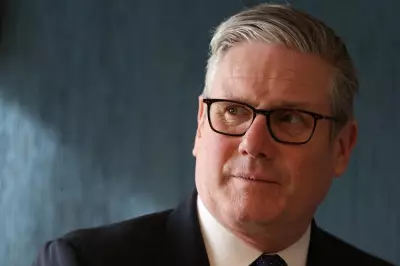
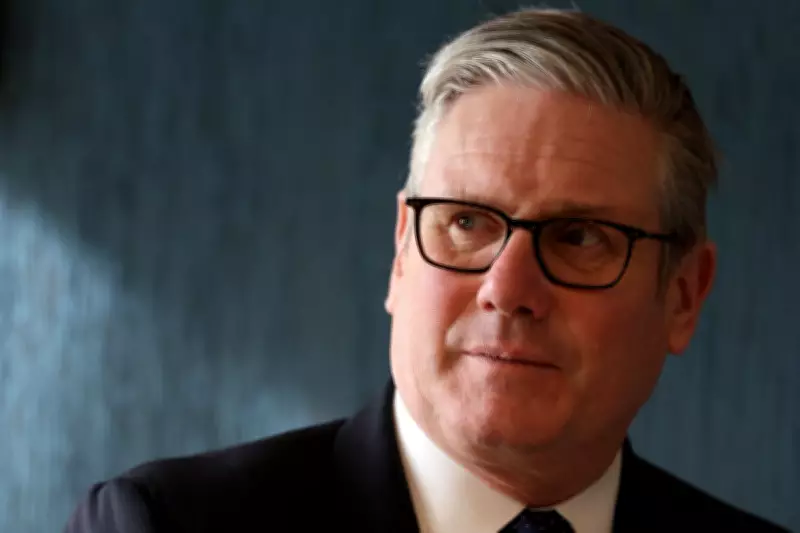
Prime Minister Sir Keir Starmer has urged business leaders to collaborate with the Government in addressing the severe economic repercussions of the ongoing war with Iran. In a high-stakes meeting at Downing Street, executives from major oil firms, shipping companies, and banks were summoned for crisis talks as global tensions escalate.
Downing Street Crisis Talks Focus on Strait of Hormuz Blockade
The discussions centred on Iran's blockade of the Strait of Hormuz, a critical shipping route that has disrupted oil and gas supplies, along with other essential products like fertiliser. This crisis has fuelled price hikes and widespread economic uncertainty, prompting Starmer to emphasise that the Government cannot shoulder the burden alone.
"It must be a joint effort to tackle the impact of the war," Starmer told the assembled executives, which included representatives from Shell, BP, Maersk, Lloyd's of London, HSBC, and Goldman Sachs. "The Government can't do it on its own. You can't do it on your own. We're going to have to work together on this."

Military Updates and Global Economic Strain
During the meeting, Major General Richard Cantrill, the UK's maritime operations commander, provided updates on the military situation in the region. Starmer highlighted that while the conflict is not Britain's war, there is a duty to protect citizens from its economic fallout, particularly regarding rising energy bills, petrol costs, and food prices.
The economic strain is palpable, with Brent crude oil prices surging over 3% to $117 a barrel in Monday trading, levels unseen since 2022. Diesel prices in the UK have hit 181.2p per litre, a 27% increase since the war began, while petrol prices have risen 14% to 152.0p per litre. Compounding this, Iran-backed Houthi strikes in Yemen have raised fears of further disruptions to Red Sea shipping.
Trump's Threats and International Diplomacy
Amidst these talks, former US President Donald Trump threatened to destroy Iran's energy infrastructure and desalination plants unless the Strait of Hormuz is reopened. In a Truth Social post, Trump claimed progress in negotiations but warned of severe consequences if a deal falls through.
Starmer has pleaded for de-escalation in the Middle East, contrasting with Trump's deployment of additional US troops and threats of military action against Iran's Kharg Island. The Prime Minister reiterated, "We are working on a viable plan for the Strait of Hormuz with allies," underscoring a diplomatic approach.
Government Coordination and G7 Response
The Downing Street meeting will be followed by a Cobra session on Tuesday, where senior ministers will discuss the ongoing economic impact. Concurrently, Chancellor Rachel Reeves and Energy Secretary Ed Miliband participated in a virtual G7 meeting with finance and energy ministers and central bank governors.
Reeves stated on social media, "At today's G7 talks with Bank of England governor Andrew Bailey and Ed Miliband, I reiterated the need for a swift resolution in the Middle East. This is not our war and we won't be drawn into it, but its economic impacts are global – we must work with partners to strengthen resilience."
Defence Secretary John Healey is currently in the Middle East, engaging with UK allies in the Gulf to bolster regional stability and address the crisis collaboratively.