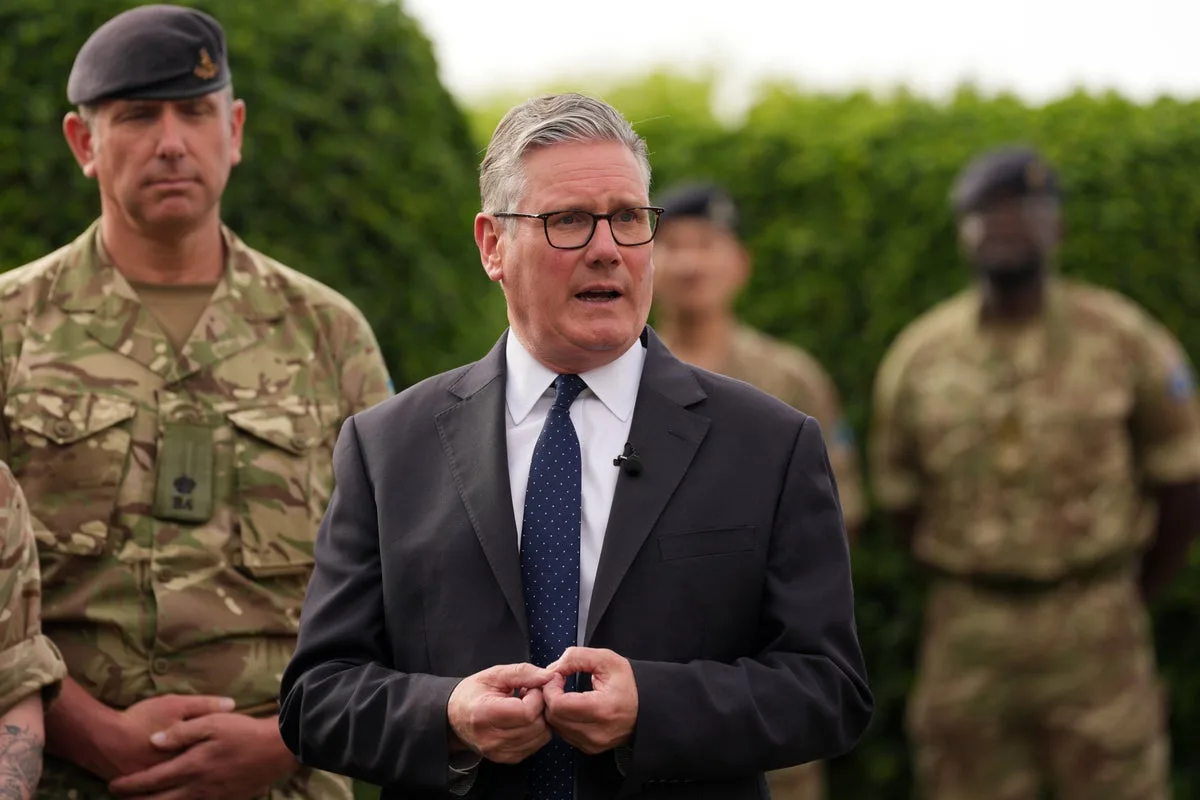
Starmer Rejects Trump's Hormuz Blockade as Oil Price Surge Looms
Starmer Rejects Trump Hormuz Blockade, Oil Prices to Rise

Starmer Declines to Join Trump's Strait of Hormuz Blockade Amid Oil Price Fears

Prime Minister Sir Keir Starmer has firmly declined to participate in former US President Donald Trump's proposed blockade of the Strait of Hormuz, a critical global oil and gas shipping lane. This decision comes as analysts warn that any disruption to traffic through the strait could significantly increase petrol costs for British consumers, exacerbating existing economic pressures.

Economic Implications for British Households

The potential blockade threatens to intensify economic hardship across the United Kingdom through sharply rising fuel prices. Trump has threatened to halt tankers from entering or exiting the vital maritime route, a move anticipated to push global oil prices higher when markets reopen. This follows previous price increases triggered by Iran's control of the strait in response to the ongoing US-Israel conflict with Tehran.

Chancellor Rachel Reeves, who will travel to Washington for International Monetary Fund meetings this week, has already cautioned that "the war in Iran will come at a cost to British families and business." The Prime Minister is scheduled to address these cost-of-living concerns directly with local residents during a visit to Greater Manchester later today.

Wide Pickt banner — collaborative shopping lists app for Telegram, phone mockup with grocery list

Diplomatic Maneuvering and International Response

Britain will not be participating in the American-led blockade, according to government sources. Instead, the UK is "urgently working with France and other partners to put together a wide coalition to protect freedom of navigation," confirmed a Government spokesperson. Prime Minister Starmer and French President Emmanuel Macron have already held discussions by phone, reaching agreement on the necessity of assembling a broad international coalition to address the escalating situation.

The UK will host further diplomatic discussions this week aimed at reopening the strategic maritime chokepoint. This third such gathering organized by British officials is expected to explore ways to support a lasting resolution to the conflict while focusing on ramping up international diplomatic pressure on Iran to reopen the strait, potentially including through coordinated sanctions.

Military Developments and Contradictory Statements

Trump announced on his Truth Social platform that the US military would begin "blockading any and all ships trying to enter, or leave, the Strait of Hormuz," adding without elaboration that "Other Countries will be involved with this Blockade." However, US Central Command, which oversees American military operations across the Middle East, subsequently announced that its blockade would specifically target Iranian ports beginning Monday, clarifying that US forces "will not impede freedom of navigation for vessels transiting the Strait of Hormuz to and from non-Iranian ports."

This statement appeared to directly contradict Trump's earlier threat to halt all shipping through the critical waterway. The former president attributed the breakdown in US-Iranian peace negotiations in Pakistan to Iran's unwillingness to reopen the strait and abandon its nuclear ambitions.

Regional Tensions and Parliamentary Context

MPs return to Westminster from the Easter break on Monday with no end to the Middle East crisis in view and the future of a fragile two-week ceasefire hanging in the balance. Trump declared the shipping blockade following the collapse of US-Iranian peace negotiations, with both nations accusing each other of responsibility for the diplomatic breakdown.

Iran's foreign minister Abbas Araghchi criticized Washington over its "maximalism, shifting goalposts, and blockade," adding pointedly: "Enmity begets enmity." Meanwhile, Trump told Fox News that "the UK and a couple of other countries are sending mine sweepers" to the strait, claiming "it won't take long to clean it out."

Pickt after-article banner — collaborative shopping lists app with family illustration

Prime Minister Starmer had previously confirmed that UK mine hunting systems were already deployed in the region, though this is believed to refer to minesweeping drones that could be utilized once conditions stabilize and is considered separate from Trump's proposed blockade. It is understood that Starmer's Sunday phone call with President Macron took place prior to Trump's social media announcement about the blockade.




