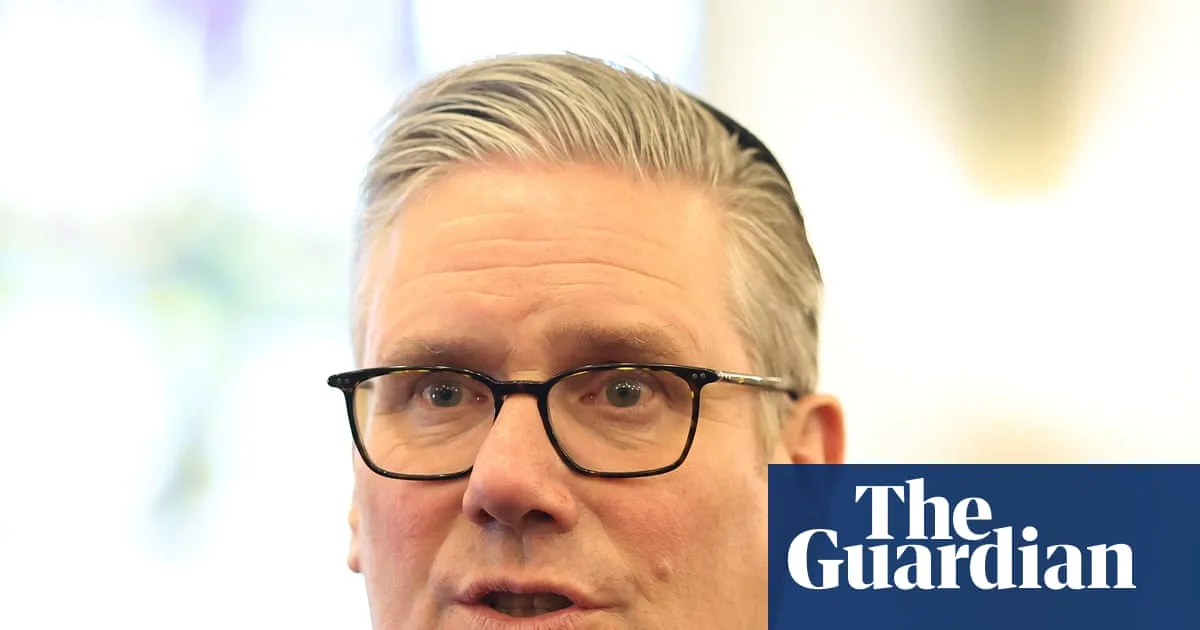
Keir Starmer has insisted he will lead Labour into the next general election, amid growing unrest within his party and informal discussions among MPs about an “orderly transition” of power. The prime minister told the Sunday Times that his prime ministership is not over, adding: “We didn’t wait 14 years to get elected, we didn’t change the Labour party, we didn’t do all that it entailed to win the election and the mandate for change, not to deliver on it.”
Labour figures from across rival factions have begun circulating informal proposals for a leadership change, with MPs shifting from speculating about whether Starmer could be removed to discussing how – including timelines, potential triggers and the mechanics of forcing a contest. One Labour MP said: “There have been conversations about process. When the time comes, and if the numbers are there, a process will be found.”
With no formal mechanism to remove a sitting prime minister, attention has turned to political pressure. A senior party source warned poor local election results could trigger junior ministerial resignations, providing “cover for someone to come out from behind”. Starmer’s allies acknowledge he does not have forever to convince his party, with one source speculating he has nine months to turn things around.
There are competing claims about who is driving the push. One figure claimed allies of Andy Burnham were behind calls for a longer transition to allow him to return to parliament, while others suggested MPs aligned with Wes Streeting were trying to accelerate the process. Some MPs said rival camps were shaping the narrative, reflecting disagreement over timing and strategy.
Morale across the parliamentary Labour party is described as at “rock bottom”, with near-universal concern among backbenchers. One MP said: “We need an orderly transition. Most people think it’s over for Starmer.” A senior Labour MP suggested the “best chance of salvaging this” would be for Starmer to “name a timetable for departure”, with many expecting an orderly exit by conference to allow a successor to emerge.
The prime minister has faced a bruising period since the Guardian revealed he appointed Peter Mandelson as US ambassador despite vetting officials recommending he be denied security clearance. Starmer’s allies deny any wrongdoing, and supporters have planned a humble response to expected poor election results next month, drawing parallels to Barack Obama’s “shellacking” moment after the 2010 US midterms.