Starmer Pledges Cost-of-Living Aid Amid Middle East War Energy Crisis
Starmer Pledges Cost-of-Living Aid Amid Middle East Crisis

Prime Minister Keir Starmer to Unveil Cost-of-Living Support Package

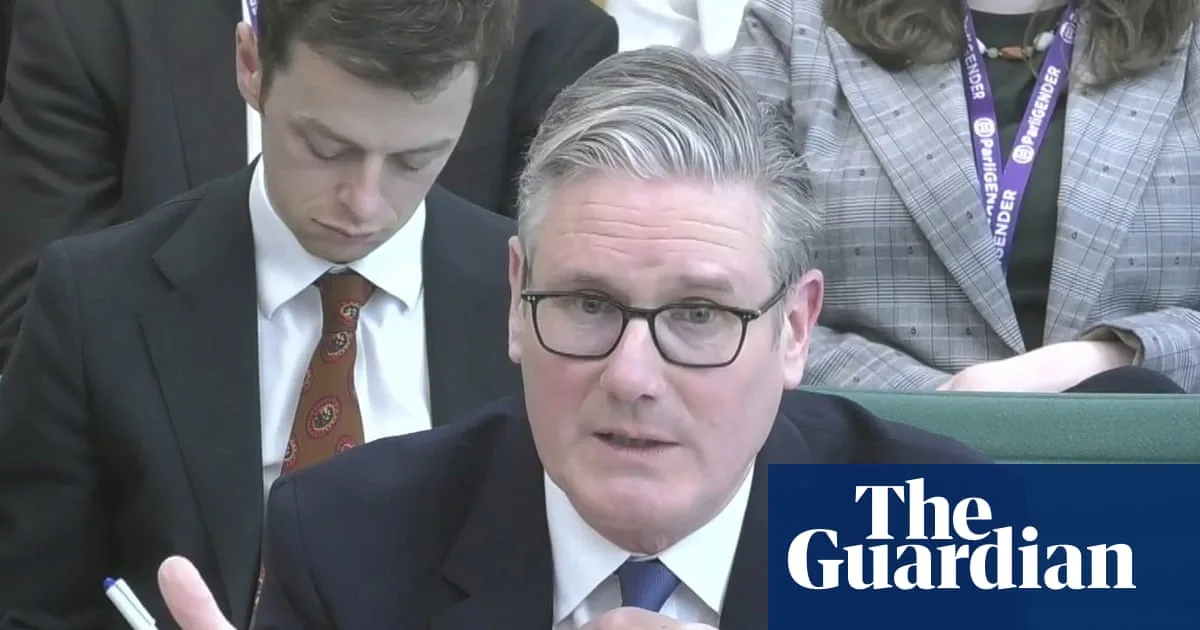
Prime Minister Sir Keir Starmer is set to pledge significant support to help British households cope with the escalating cost-of-living crisis, which has been exacerbated by the ongoing war in the Middle East. In a press conference scheduled for Monday at Downing Street, Starmer will declare that assisting families with living expenses is his foremost priority, emphasising the government's commitment to working people during these challenging times.

Heating Oil Assistance for 1.5 Million Households

The centrepiece of the announcement will be plans to aid the approximately 1.5 million households that rely on heating oil to warm their homes. This fuel is not covered by the energy price cap, and its cost per litre has doubled due to disruptions in oil exports from the Middle East, stemming from the US-Israeli conflict with Iran. Chancellor Rachel Reeves has confirmed that Treasury officials have identified funding to support these vulnerable consumers.

Sir Keir will state, "It's moments like this that tell you what a Government is about. My answer is clear. Whatever challenges lie ahead, this Government will always support working people. That is my first instinct – my first priority – to help you with the cost of living through this crisis." He will also express concerns about reports that some heating oil suppliers have cancelled orders and subsequently raised prices, vowing to take legal action against any companies found to be exploiting the situation unlawfully.

Crackdown on Profiteering and Broader Economic Measures

Last week, Chancellor Reeves and Energy Secretary Ed Miliband met with oil company executives and forecourt operators to caution them against profiteering, a meeting that nearly collapsed due to what industry representatives termed "inflammatory language" from ministers. Starmer will reinforce this stance, asserting, "I will not tolerate companies trying to exploit this crisis to make money from working people... if the companies have broken the law, there will be legal action."

Additionally, the Prime Minister will link the cost-of-living pressures directly to the Middle East conflict, arguing that de-escalation is the quickest path to relief. He will say, "We will continue to work towards a swift resolution of the situation in the Middle East. Because there is no question that ending the war is the quickest way to reduce the cost of living." In related fiscal discussions, the government is considering postponing a planned fuel duty increase, the first in 16 years, depending on the conflict's duration, with Miliband noting that a decision will be reviewed in the coming months.

International Dimensions and Humanitarian Efforts

The crisis has international ramifications, as highlighted by Starmer's recent conversation with US President Donald Trump, who has called for allied nations to deploy warships to secure the Strait of Hormuz. This key shipping route has been blockaded by Tehran, causing tanker queues and driving up global energy prices. The UK Ministry of Defence is in discussions with allies about securing the strait, potentially using minehunting drones or minesweeping ships, given concerns over Iranian sea mines.

On the humanitarian front, Foreign Secretary Yvette Cooper has mobilised over £5 million in aid for organisations in Lebanon, where conflict between Israel and Hezbollah is intensifying. Cooper warned, "I am gravely concerned about the developing conflict in Lebanon and the scale of the humanitarian impact. We must not see a widening of this conflict which is already causing significant civilian casualties and mass displacement."

This comprehensive approach underscores the government's dual focus on immediate domestic support and long-term diplomatic solutions to mitigate the economic fallout from the Middle East turmoil.