
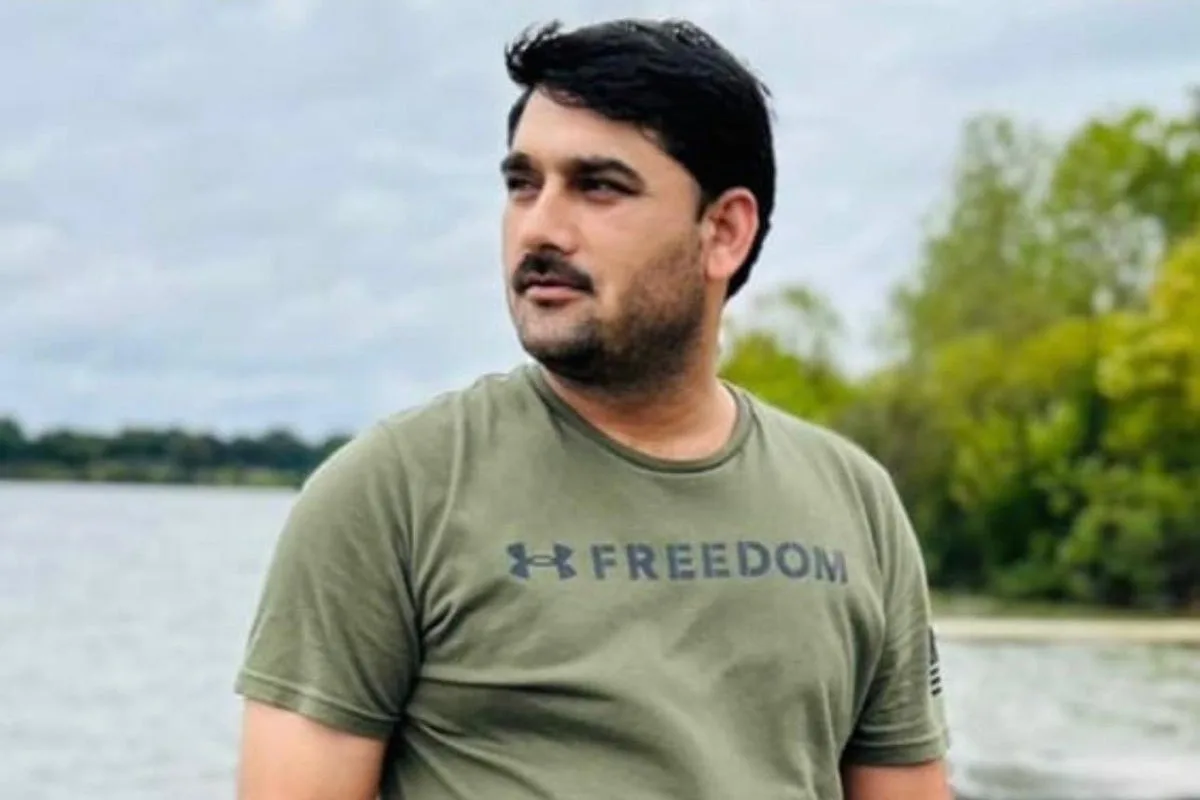
An Afghan national who fought alongside U.S. Special Forces died from an allergic reaction while in Immigration and Customs Enforcement (ICE) custody, just one day after being detained for deportation proceedings, according to his death certificate.
Mohammad Nazeer Paktiawal, 41, suffered 'an adverse drug reaction' that triggered anaphylaxis and worsened his asthma, the certificate says. His March 14 death at a Dallas hospital was ruled accidental.
Paktiawal spent a decade fighting alongside U.S. forces in Afghanistan before being evacuated to the United States during the 2021 withdrawal. Members of Congress and advocacy group AfghanEvac are demanding answers. Among more than 50 ICE detention deaths during President Donald Trump's second term, Paktiawal's is the first ruled an accident, according to an Associated Press review.
On Monday, AfghanEvac urged Texas officials to release the full autopsy report. 'This family has a right to know what happened. Why won't they release the report?' said AfghanEvac president Shawn VanDiver. He questioned what substance caused the reaction, how it entered Paktiawal's system, and why the death certificate lists the injury date as the day before he entered ICE custody.
Paktiawal legally entered the U.S. after fleeing Afghanistan and had a pending asylum application when ICE agents arrested him outside his Richardson, Texas, home on March 13. ICE said he was targeted for deportation because of pending food stamp fraud and theft charges, though he had not been convicted in either case.
According to an ICE incident report, Paktiawal denied having medical conditions or allergies during intake. Hours later, he developed chest pain and shortness of breath and was taken to hospital. The following morning, his tongue swelled while he was eating breakfast; epinephrine was administered, but he died about 40 minutes later. The death certificate lists anaphylaxis and acute asthma exacerbation as the cause, with methamphetamine toxicity, heart disease and smoking as contributing factors. His family disputes methamphetamine use, and a private autopsy could not test for the drug due to lack of blood. His wife said ICE agents refused to take his asthma inhaler when he was arrested.




