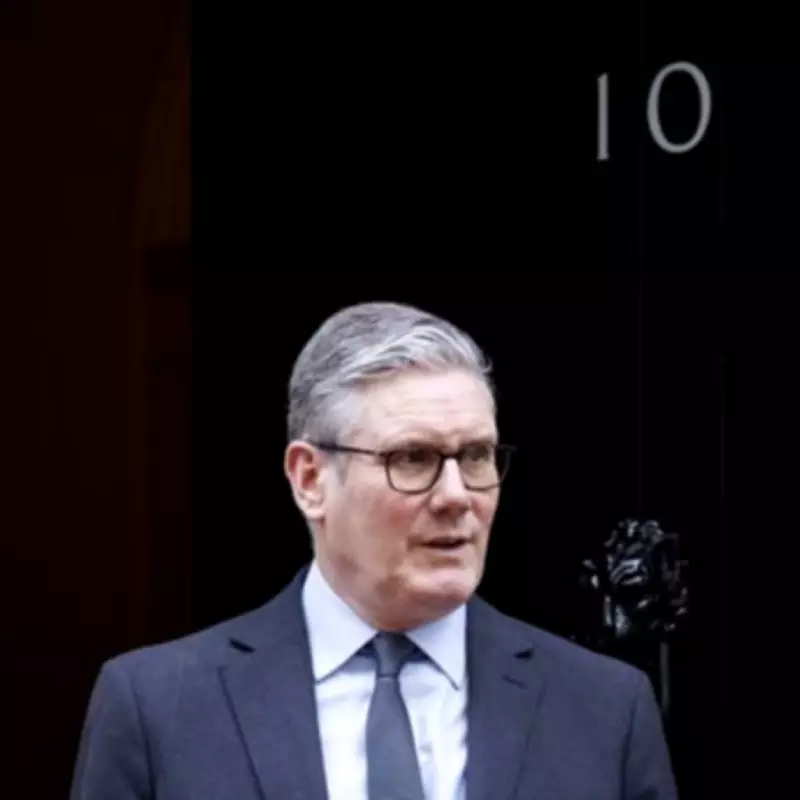
Prime Minister Keir Starmer will convene a high-stakes roundtable meeting on Monday, bringing together top executives from the energy and shipping sectors to confront the escalating economic consequences of the Iran war. The discussions will centre on the spiralling costs triggered by Tehran's blockade of the Strait of Hormuz, a critical maritime chokepoint for approximately one-fifth of the world's oil and gas supplies.
Key Attendees and Agenda
The gathering at Number 10 will include energy chiefs from major firms such as Shell, BP, Centrica, and Equinor. Senior figures from shipping giants Maersk and CMA CGM will also be present, alongside financial and insurance leaders from HSBC, Goldman Sachs, and Lloyd's of London.
In addition to economic talks, the meeting will feature a security briefing from Major General Richard Cantrill, the UK's maritime operations commander, who will provide an update on the volatile situation in the region.

Global Economic Fallout
The ongoing US-Israeli conflict with Iran has dramatically driven up global energy prices, sparking widespread fears of potential petrol shortages. The blockade's ripple effects extend beyond fuel, threatening food supplies due to disruptions in fertiliser shipments from Gulf countries.
Britain is actively collaborating with international allies on strategies to reopen the strait, which lies between Iran and the Arabian Peninsula. Former US President Donald Trump has urged allies to deploy warships to the area, but Western nations have thus far declined, citing excessive risks.
Military Preparedness and Risks
The Royal Navy landing ship RFA Lyme Bay is being equipped with minesweeping drones, positioning it to potentially assist in clearing the Strait of Hormuz. This upgrade will enable the vessel to serve as a "mothership" for underwater drones and unmanned minehunting boats.
However, deployment remains unlikely until conditions stabilise, as insiders warn that the threat from Iranian drones and missiles is currently too severe. A defence source stated: "Whilst no decisions have yet been taken on whether these capabilities will be sent to the Strait of Hormuz, this preventative step gives ministers options should they be needed to help resume the normal flow of merchant shipping."
Government Reassurances and Coordination
As the conflict enters its fifth week, ministers are urgently addressing how to shield consumers from shortages and price hikes. Education Secretary Bridget Phillipson sought to allay fears of petrol shortages, advising drivers to proceed as usual ahead of the Easter bank holiday weekend.
She told the BBC: "I think it's really important to stress that production is being maintained, supply is being maintained. You don't have to take my word for it, you can look at the comments we've seen from the trade industry bodies but also people like the AA and the RAC. People should just carry on as usual. The Government will always plan for contingencies, that is always the right thing to do. But people should be reassured ahead of the Easter holidays just to carry on as things are."
Meanwhile, Chancellor Rachel Reeves will meet with finance ministers and central bank governors on Monday to advocate for coordinated G7 action. Her goals include strengthening supply chains, supporting market stability, and safeguarding the economic recovery from further disruption.