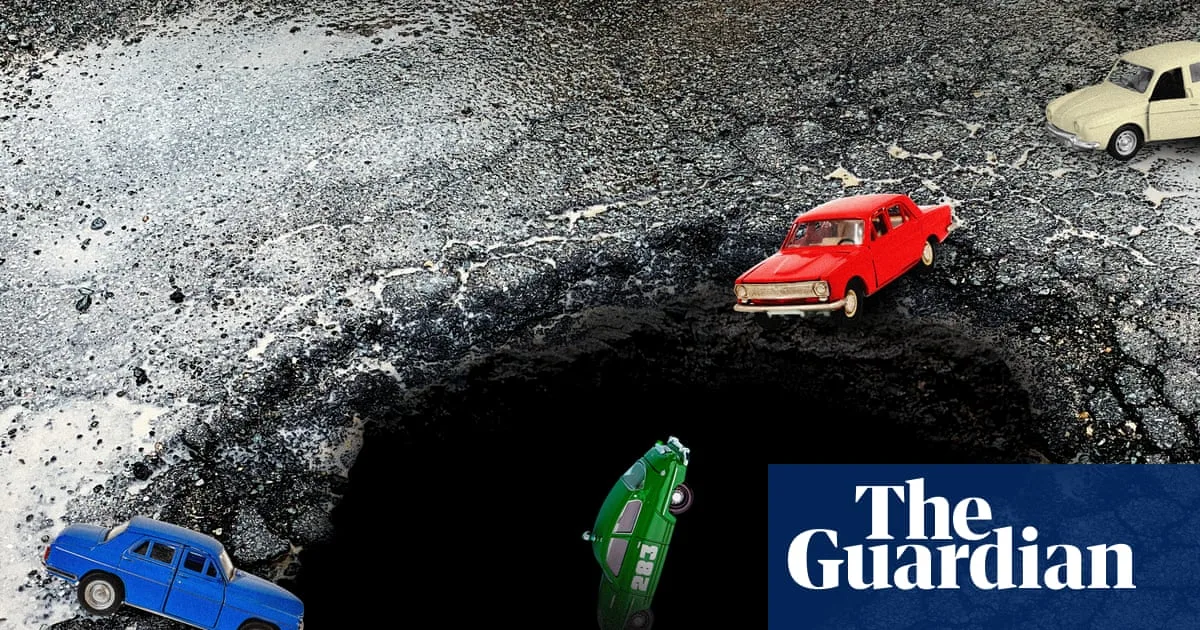
A tragic death has brought Britain's pothole crisis into sharp focus, highlighting the failure of politicians to fix a problem that drives the nation crazy. Councils fix a pothole every 17 seconds, but the repair backlog would cost £18.6bn to clear. The issue has become a symbol of a society that feels more run-down than it used to be.
Marsh Street in Bristol is a prime example of the problem. The 200-metre stretch of road is pockmarked with dozens of cracks, patches, divots and holes, with multiple layers of road structure exposed. Bus driver Gary Gainey describes it as 'quite ridiculous how bad it is', noting that steering heavy vehicles over hollows and humps can cause back and wrist injuries.
The scale of the problem is staggering. The RAC estimates there are a million potholes in the UK's residential, city centre and rural roads, or six every mile. Compensation claims against local authorities rose by 90% in the three years to 2024, and pothole-related breakdowns tripled in February 2025 compared to the same month a year earlier.
Despite the urgency, political solutions have been piecemeal. The government announced an extra £500m for highway maintenance, tied to strict reporting requirements. The Conservatives declared a 'national mission' with a £112m 'pothole patrol', while Reform UK touted a JCB PotHole Pro following a £200,000 donation. The Liberal Democrats speak of a 'pothole pandemic', and the SNP promised a £350m fund in Scotland.
However, councils' shrivelled post-austerity budgets make it difficult to keep roads up to scratch alongside other statutory obligations like social care. Bristol city council recently approved £10.3m over five years for road maintenance, but critics argue that without sustained, long-term investment, Britain's pothole plague will continue to claim victims.