Starmer Adopts Tough Stance on Doctors' Strikes and Trump Pressure
Prime Minister Keir Starmer appears to have reached a turning point in his leadership, shedding a reputation for appeasement to assert his authority in key confrontations. After numerous policy reversals, including a notable double U-turn on Waspi women's pensions, an iron resolve seems to have finally entered the prime minister's political soul. The ability to govern effectively requires decisive action, not constant retreats that overshadow genuine governmental achievements.
Confronting International and Domestic Challenges
Starmer has already garnered significant credit for resisting pressure from former US President Donald Trump to involve Britain in the disastrous Iran war, a decision widely viewed as vindicated. Domestically, he has taken a similarly firm line with striking resident doctors within the National Health Service. The doctors were presented with a reasonable ultimatum: call off their planned strike in exchange for further negotiations, or face the withdrawal of an offer for an additional 1,000 training positions alongside enhanced job and promotion prospects.
When the doctors refused to comply, the training places were promptly rescinded. Headlines proclaiming "Starmer Gets Tough with Trump" and "Starmer Gets Tough with the Doctors" were unexpected developments for 2026, yet this display of strong, principled leadership has been liberating for both the nation and the prime minister himself. It fosters a renewed sense of national pride.

Public Opinion and the Doctors' Dispute
In both instances, Starmer finds himself aligned with both moral right and prevailing public sentiment. Trump's popularity has plummeted, particularly after disparaging remarks about British armed forces and the economic fallout from his failed Iran policy. The resident doctors, while respected professionals, have seen public support for their industrial action wane. Under Starmer and Chancellor Rachel Reeves, they have received a near-30 percent pay increase, improved career prospects, and greater NHS investment—benefits unlikely under previous Conservative or Reform UK governments.
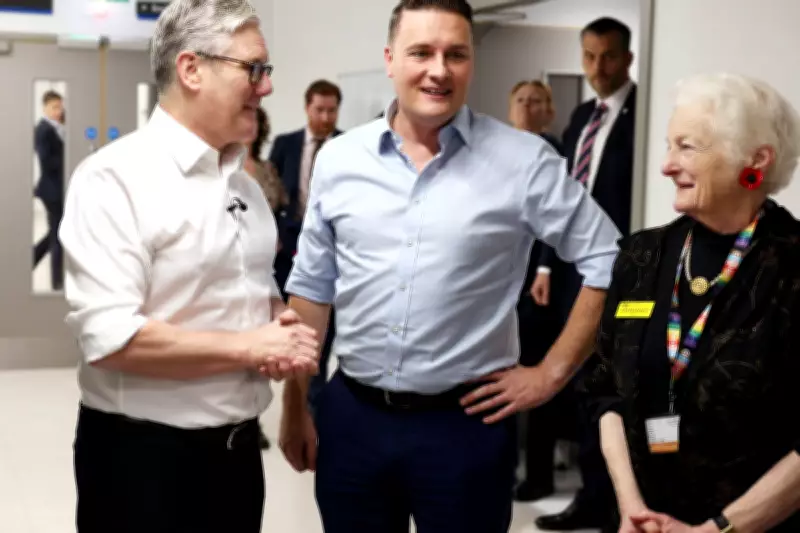
The British Medical Association's demand for further "pay restoration," seeking another 20 percent increase or a guaranteed path toward it, represents a central weakness in their position. The public is growing impatient, backing Starmer and Health Secretary Wes Streeting. Many taxpayers, who can only dream of the six-figure salaries and generous pensions that senior doctors command, question the justification for continued strikes in such circumstances.
The Economic Realities of Wage Claims
A dynamic economy cannot sustain the permanent preservation of historical wage rates for specific professions. While the BMA may argue that others should similarly fight for better pay, the reality is that most workers cannot selectively apply the most favourable inflation measures, like the RPI, to their own salary negotiations. Doctors' career progression often leads to consultancy roles earning well over £100,000 annually, with even higher potential in private practice. A degree of humility regarding their privileged position would be widely appreciated.
A Defining Year for Starmer's Leadership
This year could prove decisive for Starmer's premiership, not due to election results or political rivals like Nigel Farage, but because he must finally exert authority over his own parliamentary party. Many Labour MPs, hailing from soft-left backgrounds in the public sector, think tanks, and charities, remain skeptical of centrist policies, despite owing their seats to Starmer's leadership. They must recognise that this is the Labour government they have, and the current electorate demands competence and delivery, not ideological positioning.
On critical issues such as welfare reform, immigration, NHS restructuring, and education changes, the party cannot afford a drift to the left. Voters elected Starmer for his perceived competence and commitment to doing the right thing. He must now be granted the opportunity to lead with the firmness he has recently demonstrated, putting the country's interests first in both domestic and international arenas.