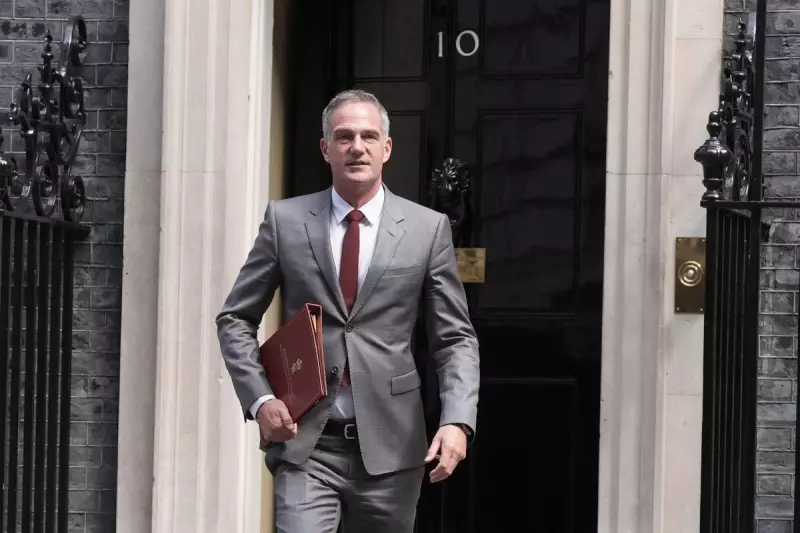
Labour leader Sir Keir Starmer is facing mounting pressure after a senior shadow minister suggested the party could recognise Palestinian statehood before a formal peace agreement with Israel.
Peter Kyle, the shadow science secretary, made the controversial remarks during an interview, stating that recognition could serve as a "catalyst" for peace negotiations. This position appears to contradict Starmer's previous insistence that statehood should only follow successful peace talks.
Internal Divisions Emerge
The comments have exposed fresh divisions within Labour, with some MPs expressing concern over the party's shifting stance. Starmer had previously faced criticism during the Gaza conflict for his cautious approach, which some saw as insufficiently supportive of Palestinian rights.

Political Fallout
Conservative ministers were quick to seize on Kyle's remarks, accusing Labour of "undermining Israel's security". The government maintains its position that recognition should come only as part of a negotiated two-state solution.
Meanwhile, French President Emmanuel Macron recently indicated France might unilaterally recognise Palestine, adding to the international dimension of the debate.
What This Means for Labour
The controversy comes at a sensitive time for Starmer as he attempts to:
- Maintain party unity ahead of the general election
- Balance progressive demands with electoral pragmatism
- Define Labour's foreign policy credentials
With the Middle East remaining a contentious issue in British politics, Starmer's handling of this situation could have significant implications for his leadership and Labour's electoral prospects.