Starmer Considers Female First Secretary to Tackle Misogyny Amid Scandals
Starmer Eyes Female First Secretary to Fight Misogyny

Starmer Floats Female First Secretary Role to Combat Misogyny

Prime Minister Sir Keir Starmer has revealed to MPs that he is considering appointing a female 'first secretary of state' with a specific mandate to tackle misogyny within government. This announcement came during a meeting with female Labour MPs in Parliament, as Sir Keir seeks to navigate the fallout from the Peter Mandelson scandal and other controversies that have shaken his premiership.

Scandals and Speculation

The Prime Minister is currently under intense scrutiny over his handling of a peerage for his former spin chief, Matthew Doyle, due to Doyle's connections to a convicted paedophile. In response, Sir Keir held a gathering of the women's Parliamentary Labour Party on Wednesday, where, according to an attendee, he indicated he would contemplate creating a female first secretary of state position.

This title, historically used to denote a Cabinet minister's seniority over other secretaries of state, is not currently filled in Sir Keir's administration. The suggestion has immediately sparked widespread speculation about a potential return to government for Angela Rayner, who previously served as deputy prime minister, Labour's deputy leader, and housing secretary before resigning in September last year amid a tax dispute.

Rayner's Influence and Support

In December, Sir Keir praised Ms Rayner as 'hugely talented' and affirmed she would eventually rejoin the Cabinet, calling her a 'major voice in the Labour movement'. Her recent actions have underscored her sway within the party. She led a successful revolt against the government regarding documents related to Lord Mandelson's appointment as US ambassador, despite his ties to sex offender Jeffrey Epstein.

Additionally, Ms Rayner played a key role in rallying senior Labour figures to support Sir Keir when Scottish Labour leader Anas Sarwar demanded his resignation. This public backing has provided the Prime Minister with a temporary reprieve, though doubts persist about his long-term political survival.

Historical Context and Complications

The role of first secretary of state has been held by notable figures in recent history. Dominic Raab served as first secretary under former Tory Prime Minister Boris Johnson from 2019 to 2021, while Damian Green, George Osborne, and William Hague held the title during earlier Conservative administrations. On the Labour side, Lord Mandelson was the last to occupy the position from 2009 to 2010, preceded by John Prescott.

If Sir Keir proceeds with this appointment, it could create complexities within his government. He already has an official Deputy Prime Minister in David Lammy, and Lucy Powell is Labour's elected deputy leader. This potential overlap raises questions about the distribution of power and responsibilities.

Calls for Cultural Change

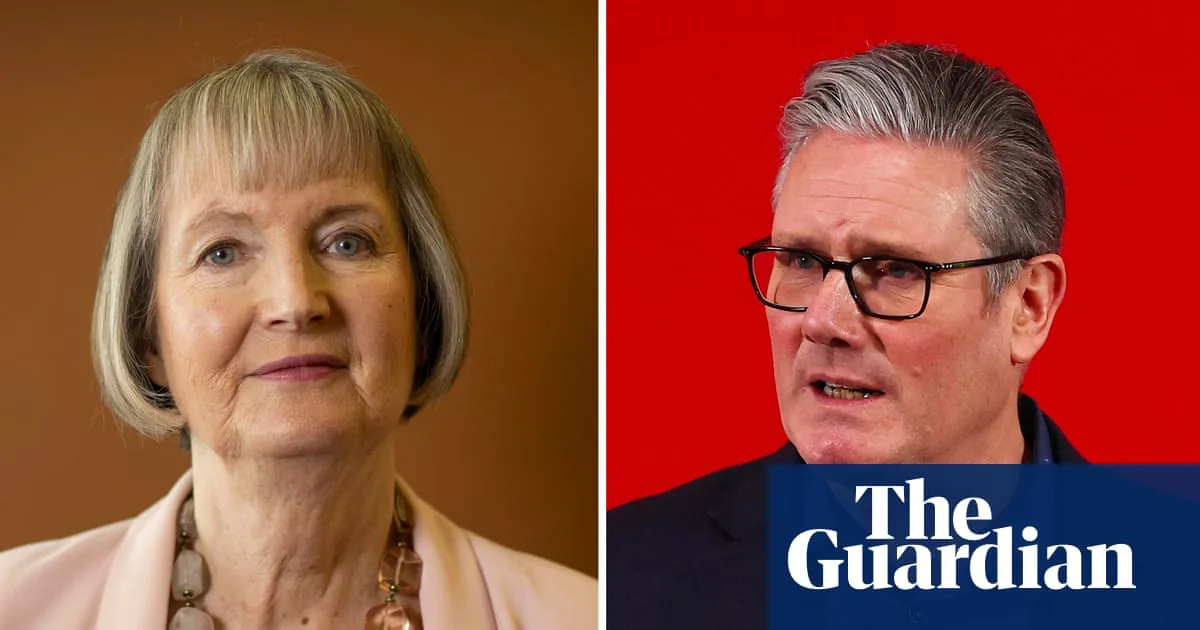
Labour grandee Harriet Harman has urged Sir Keir to appoint a woman as first secretary of state, arguing that it would 'turbocharge' the government's commitment to halving violence against women and girls over the next decade. She told The Guardian that such a role would not only drive culture change but also hold every government department accountable for their actions regarding women's issues.

Ms Powell echoed this sentiment in an interview with LBC, highlighting the need for a cultural shift and noting that in a recent Cabinet meeting, all of Sir Keir's advisers present were women, which she found encouraging.

Internal Reactions and Future Steps

According to sources at the women's Parliamentary Labour Party meeting, Sir Keir acknowledged the necessity of ending the 'boys' club' mentality in Number 10. One attendee stated that the Prime Minister was in 'listening mode' and the atmosphere was 'very positive', though another described it as 'flat', with applause directed more at the women in the room than at Sir Keir.

There was also a proposal to make tackling misogyny a sixth 'mission' of his administration, indicating a broader strategic focus on gender equality. As Sir Keir grapples with ongoing scandals and internal party dynamics, this potential appointment represents a significant step in his efforts to reshape his government's image and address systemic issues of misogyny.




