Sir Keir Starmer has publicly acknowledged that his former communications chief, Matthew Doyle, was put forward for a senior ambassadorial role, despite lacking any formal diplomatic experience. This revelation emerged from testimony by Olly Robbins, the sacked Foreign Office chief, who disclosed that Number 10 actively pushed for Doyle's appointment.
Robbins' Uncomfortable Testimony
Olly Robbins testified that he was instructed by Downing Street to conceal the request for Doyle's ambassadorship from then-foreign secretary David Lammy, a directive that made him feel "quite uncomfortable." Robbins' evidence sheds light on behind-the-scenes lobbying efforts within the government, raising questions about transparency and propriety in diplomatic appointments.
Starmer's Response and Doyle's Background
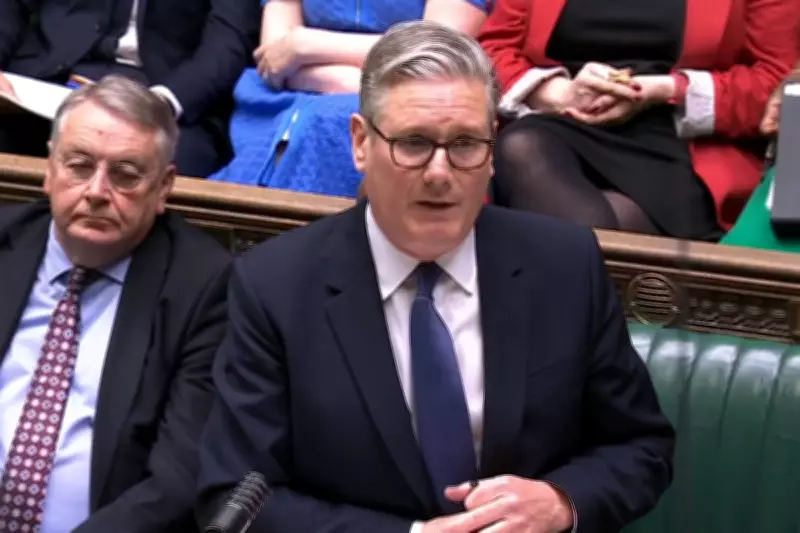
In response, Sir Keir Starmer stated that while conversations about alternative roles often occur when staff members depart, "nothing came of this" regarding Doyle's potential ambassadorship. He emphasized that the matter was effectively closed, asserting that Robbins' testimony "puts to bed" claims that he misled MPs about the situation.

Matthew Doyle, who later received a peerage and was elevated to the House of Lords, subsequently had the Labour whip removed due to his connections with Sean Morton, a convicted paedophile for whom he had campaigned. This background adds a layer of controversy to the initial proposal for his diplomatic role.
Opposition Accusations of Cronyism
Opposition leaders have seized on the revelation to accuse Sir Keir Starmer of cronyism. Tory leader Kemi Badenoch and Liberal Democrat leader Sir Ed Davey both criticized the alleged lobbying for Doyle's appointment, arguing it exemplifies favouritism over merit in government positions. Their statements highlight ongoing political tensions and scrutiny over appointment processes in Westminster.
The incident underscores broader concerns about the integrity of diplomatic appointments and the influence of political connections in Whitehall. As debates continue, this case may prompt calls for stricter regulations and greater oversight in the selection of ambassadors and other high-level roles.