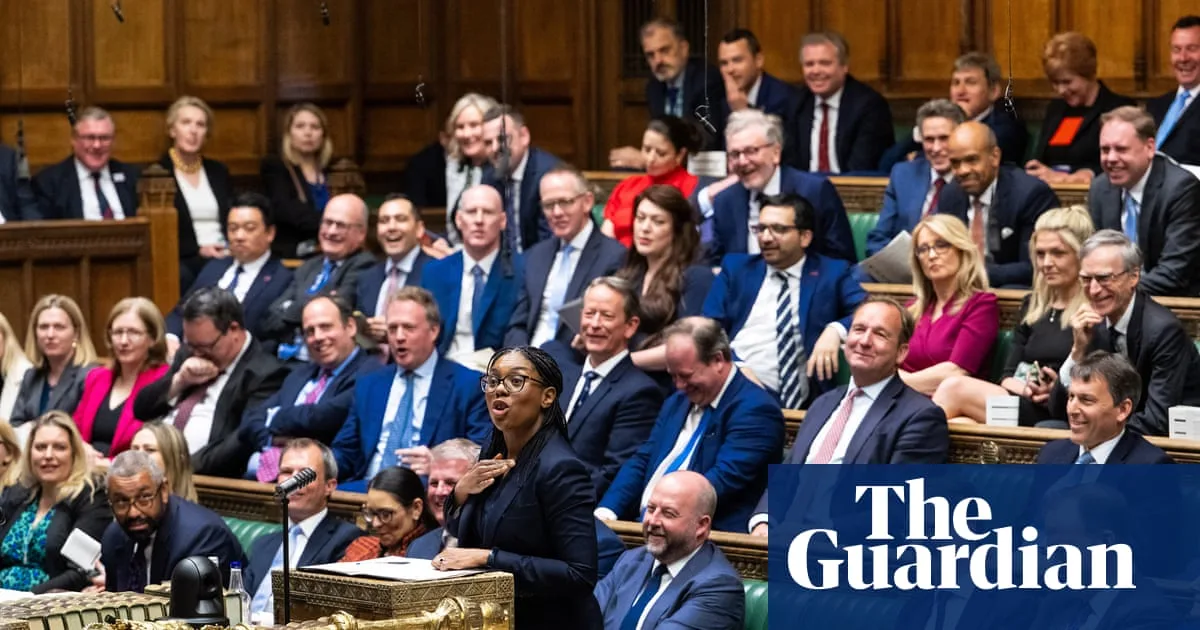
Keir Starmer has survived a major Labour rebellion over a bid to force a parliamentary investigation into his appointment of Peter Mandelson as UK ambassador to the US. Downing Street deployed its full weight to block a Conservative motion for a referral to the privileges committee, winning the vote 335 to 223. However, 15 Labour backbenchers rebelled, and up to 53 MPs did not vote, raising concerns about the prime minister's dwindling political capital.
MPs warned Starmer is running out of credit with the backbenches, with one minister saying he is in the “last-chance saloon” and another noting he must spend his remaining political capital wisely. The rebellion came amid damaging revelations about the pressure placed on Foreign Office officials to expedite Mandelson's posting, including testimony from Starmer's former chief of staff, Morgan McSweeney.
McSweeney admitted asking officials to process the appointment “at pace” but denied asking them to “skip steps” in security vetting. He told MPs that learning of Mandelson's ongoing links with Jeffrey Epstein was like a “knife through my soul” and that Starmer would not have proceeded with the appointment had he known the full truth. However, he acknowledged that revoking the posting would have been “embarrassing” for the government.

Further embarrassment came from leaked remarks by the new UK ambassador to the US, Christian Turner, who said Starmer had been “on the ropes” over the scandal and that his future looked “quite touch and go”. Turner predicted that poor local election results for Labour could trigger a leadership challenge. The scandal is expected to resurface next month when the intelligence and security committee reviews key government documents.