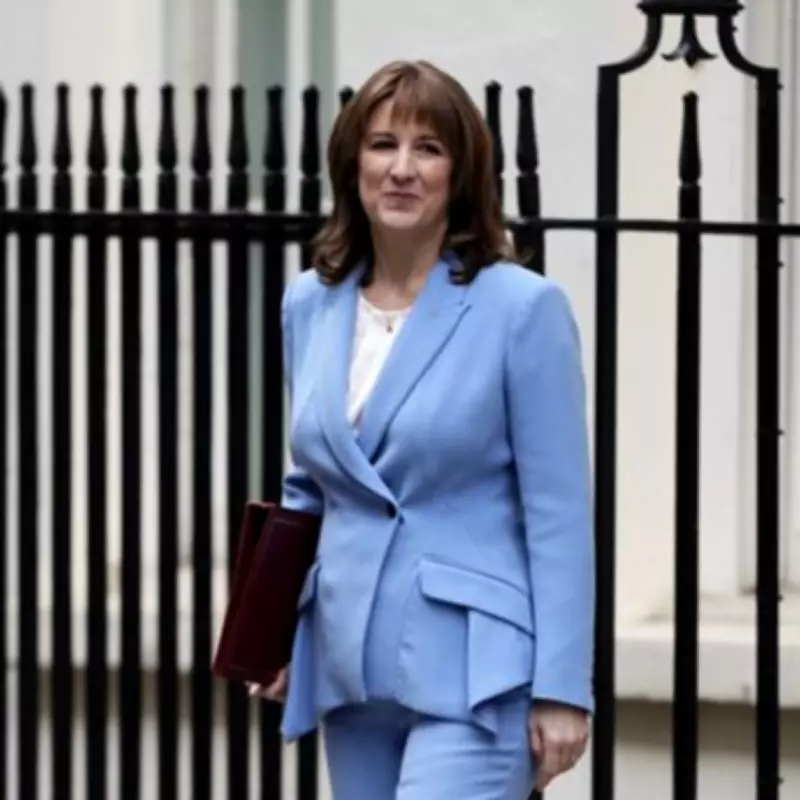
Chancellor Rachel Reeves presented her highly anticipated Spring Statement in the House of Commons this afternoon, with many observers keenly watching for any announcements regarding personal tax thresholds. The key question on everyone's mind was whether she would unveil any changes to the current freeze, which has been a contentious issue in recent fiscal policy.
No Changes to Frozen Tax Thresholds
In her address, Chancellor Reeves confirmed that there would be no further adjustments to the personal tax thresholds. This means they will remain frozen until the conclusion of the 2030/31 financial year, as previously established. The thresholds were originally scheduled to be unfrozen in April 2028, but in her Budget announcement last November, Reeves extended this freeze by an additional three years.
Impact of the Freeze on Taxpayers
The Office for Budget Responsibility has projected significant consequences from this extended freeze. According to their figures, by the 2029/30 tax year, the policy is expected to result in 780,000 more individuals paying the basic rate of income tax, 920,000 more paying the higher rate, and 4,000 additional taxpayers entering the additional rate bracket. This phenomenon, often referred to as fiscal drag, occurs as wage increases push more earners into higher tax brackets over time, effectively raising their tax burden without an official rate hike.

Fiscal drag is sometimes described as a stealth tax, as it enables the government to increase tax revenue without explicitly raising tax rates. This method has been a point of debate among economists and policymakers, with critics arguing it places an undue strain on middle and higher-income earners.
Current Tax Thresholds Explained
To understand the implications, it's essential to review the current income tax structure. The personal allowance, which is the amount most people can earn before paying tax, stands at £12,570. Earnings above this threshold are subject to the basic rate of 20%.
The higher rate of 40% applies to incomes exceeding £50,270, while the additional rate of 45% kicks in for earnings over £125,140. Additionally, the National Insurance threshold aligns with the personal allowance at £12,570, with contributions set at 8% for earnings above this level and 2% for incomes over £50,270.
Summary of Income Tax Brackets
- Personal allowance: Up to £12,570 – no tax
- Basic rate (20%): £12,571 to £50,270
- Higher rate (40%): £50,271 to £125,140
- Additional rate (45%): Over £125,140
Today's Spring Statement reaffirms the government's commitment to maintaining these thresholds in their frozen state, with no immediate relief for taxpayers facing the effects of fiscal drag. As the economic landscape evolves, this policy will continue to be a focal point in discussions about fairness and revenue generation in the UK's tax system.