A Spiritual Search in Lockdown: Finding God in Unexpected Places
Karen Rinaldi, a former skeptic raised Catholic, embarked on a profound spiritual journey during the Covid-19 pandemic. Two months into the global crisis, she initiated a daily practice titled "When I look for God," aiming to ground herself amidst widespread uncertainty. This quest was sparked by a life-altering surfing experience five years prior, where she first felt a deep connection to the divine, leading to recurring moments of grace that both compelled and confused her.
From Childhood Faith to Adult Skepticism
Growing up in a Catholic household, Rinaldi attended Sunday church services, catechism classes, and received sacraments like baptism, first communion, and confirmation. However, these rituals never brought her closer to God. As a teenager, she rejected the Church due to its perpetuation of human biases, including misogyny, homophobia, and abuse, which she couldn't reconcile with a loving deity. For years, she identified as a skeptic, but in middle age, she felt an inexplicable call to explore spirituality, wondering if it was a remnant of her early upbringing.
The Lockdown Practice: Seeking Solace by the Shore
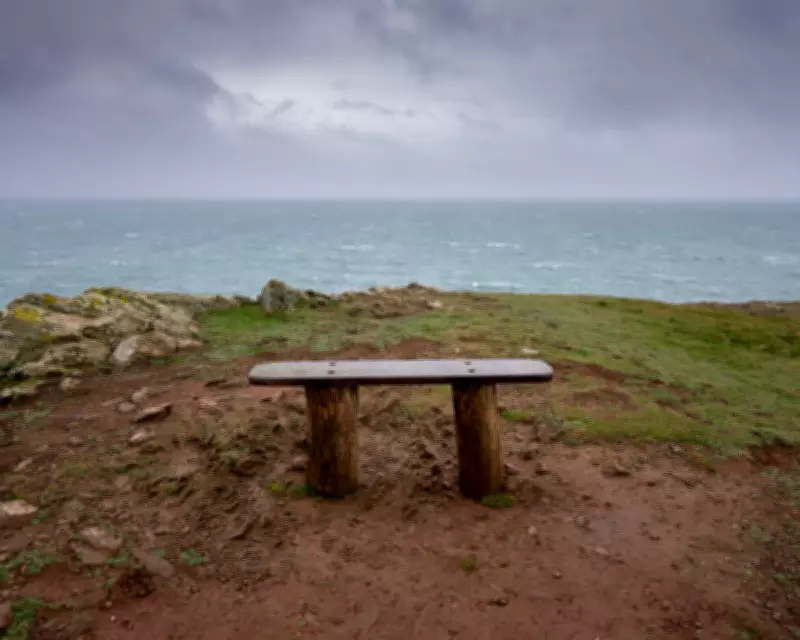
During lockdown, with life's frame narrowed, Rinaldi made it a habit to search for God each day. She would take early morning walks, sit on a bench by the shore, and cast a wide gaze, taking deep breaths to clear her mind for divine presence. Sometimes, nothing happened, and she'd return home after half an hour, at least having found quiet time. Yet, there were moments when God seemed to appear miraculously: pods of dolphins breaking the water's surface, young whales breaching near shore, an osprey carrying fish to its nest, or a foggy morning revealing a father and child sharing a surfboard.

A Shift in Understanding: God as Intrusion
Rinaldi's perception of God shifted dramatically one morning when a man sat too close on her bench, violating her space during the cautious early days of Covid. Initially annoyed and considering asking him to leave, she recalled her purpose and chose to listen instead. She realized he was lonely and mentally unwell, speaking in disjointed, abstract terms. Her annoyance melted into compassion, and when he left, she felt an unnamed love. This epiphany led her to grin: perhaps God arrives as an intrusion or discomfort, challenging assumptions, as echoed in Matthew 7:7.
God in the Mundane: The Fly Incident
In another trying moment, a persistent black housefly buzzed around Rinaldi as she worked remotely, driving her to grab an electrified tennis racket zapper. After ten minutes of failed swatting, a sudden awareness struck her. She put the racket down, and the fly, no longer a nuisance, became company for the afternoon. This experience reinforced that God can be found even in mundane or irritating circumstances.
The Ongoing Journey: Living in the Present
After six years of practice, Rinaldi admits she still doesn't know what God is or isn't. However, the act of looking for God provides respite from a ruminating mind and opens her to experiences beyond the noisy self. It's a practical way to offload anxiety and find relief from the pressure of acceptance. She explains that anxiety focuses on the future, acceptance on the past, but seeking God is about living in the present. Now, she trusts that God will appear when allowed, often when she's not looking, requiring only attunement rather than quiet or intention. She understands the faithful assertion that God is everywhere, even in unwelcome or desolate moments, or simply, that God is.
Ultimately, Rinaldi concludes that she doesn't find God; God finds her, whether in a stranger, a fly, or the quiet of a morning walk. This spiritual search keeps her grounded and feeling alive, offering a path to peace amidst life's chaos.