Senate Democrats Launch Investigation into CBS Over Blocked Colbert Interview
US Senate Democrats have initiated a formal investigation into allegations that the Federal Communications Commission (FCC) and Paramount Global, the parent company of CBS, prevented talkshow host Stephen Colbert from broadcasting an interview with Texas Democratic candidate James Talarico. This move comes amid escalating concerns over political censorship and free speech violations in the media landscape.
Blumenthal Leads Charge Against Alleged Partisan Censorship
Richard Blumenthal, the ranking Democrat on the Senate's permanent subcommittee on investigations, has taken a leading role in this inquiry. He has formally written to the FCC's enforcement bureau and to David Ellison, the CEO of Paramount Skydance, demanding comprehensive information and documents related to the controversy. Blumenthal's letters specifically request any communications with Donald Trump's White House, suggesting potential political collusion.
In his correspondence, Blumenthal accuses Brendan Carr, the pro-Trump FCC chairperson, of orchestrating what he describes as a "partisan censorship scheme." This scheme, according to Blumenthal, is designed to suppress critical coverage of the president to benefit the Republican party. The senator emphasizes that this alleged abuse of power includes dubious investigations and misrepresentations aimed at silencing free speech.

Paramount's Role and the Warner Brothers Discovery Bid
Blumenthal has also leveled accusations against Paramount Global, claiming the company engaged in censorship of "critical news and satire" at the behest of the Trump administration. He highlights that the dispute over the Talarico interview occurred concurrently with Paramount's ongoing attempt to acquire Warner Brothers Discovery in a massive $108 billion bid. This acquisition requires federal government approval, raising questions about whether Paramount may have silenced free speech to curry political favors.
In his letter to Ellison, first reported by media writer Oliver Darcy on his blog, Status, Blumenthal states that the Colbert clash "raises the alarming prospect that Paramount is willing to silence free speech to elicit political favors from the Trump administration." This assertion underscores the high stakes of the investigation, linking corporate interests to potential political manipulation.
The Colbert Controversy and Its Aftermath
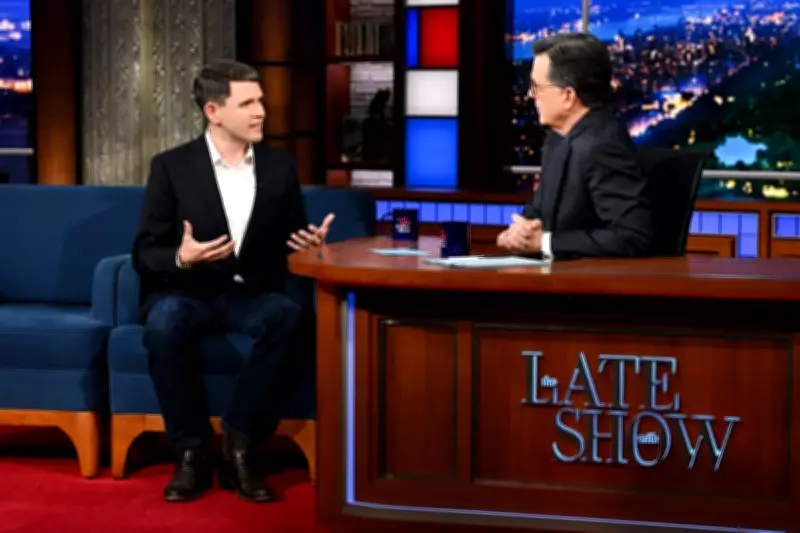
The controversy erupted on February 16 when Colbert informed viewers of his Late Show that CBS network lawyers had blocked him from airing the interview with Talarico. Colbert denounced this as a blatant act of censorship by network bosses and the Trump administration. In defiance, he posted the interview on his YouTube page, where it has since attracted over 10 million viewers, amplifying the reach and impact of the blocked content.
CBS has pushed back against Colbert's claims, insisting that the network merely provided legal advice based on new guidance from the Trump administration issued in January. This guidance suggests that daytime and late-night talkshows may now be bound by the "equal-time rule," which requires broadcasters to provide the same airtime to all qualified political candidates. Previously, interviews with politicians on talkshows were generally assumed to be exempt from this rule, making this a significant shift in regulatory interpretation.
Broader Implications and CBS's Internal Turmoil
The Senate investigation marks the latest development in a censorship controversy that has shaken CBS since David Ellison became CEO of the merged Paramount Skydance. Ellison, the son of Larry Ellison—a close friend and adviser to Donald Trump and the billionaire co-founder of Oracle—has overseen a series of contentious decisions. Notably, he appointed Bari Weiss, a rightwing commentator, as the top editor of CBS News, leading to internal disputes, including the pulling of a 60 Minutes segment on a notorious Salvadoran prison linked to Trump administration deportations.

Adding to the scrutiny, Colbert will host his final episode of the Late Show on May 21, with CBS deciding in July to close the legendary program after more than three decades. This decision has invited further accusations of politicized censorship, suggesting a pattern of silencing dissenting voices within the network. The investigation by Senate Democrats aims to uncover the truth behind these allegations, potentially reshaping the boundaries of free speech and political influence in American media.