US Senate Heeds Trump's Call to Debate Restrictive Save America Act Voting Bill
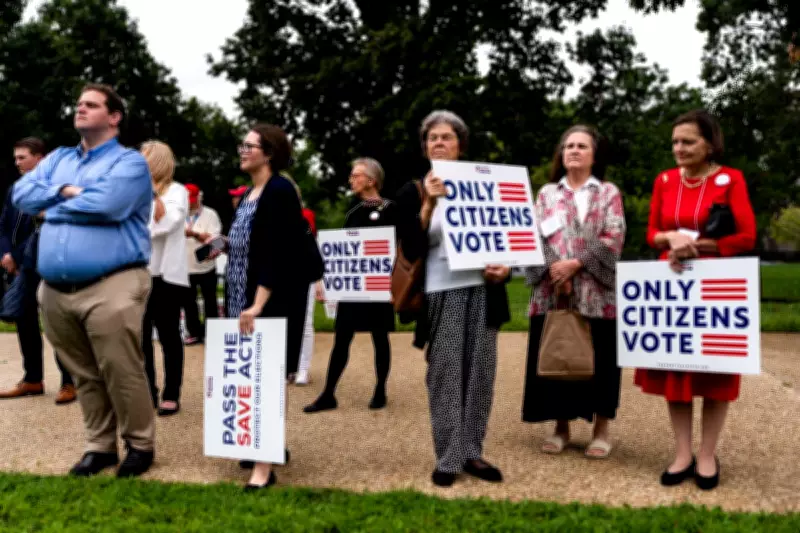
The US Senate voted on Tuesday to begin debate on a sweeping restrictive voting bill known as the Save America Act, which would require proof of US citizenship for new voters among other stringent measures. The vote passed with a narrow margin of 51-48, setting the stage for a contentious discussion in the chamber. This legislation, a rebranded version of the Safeguard American Voter Eligibility Act or Save Act, has been circulating through Congress in various forms for over two years, reflecting ongoing partisan battles over election security.
Legislative Hurdles and Political Maneuvering
While the US House passed the bill earlier this year, it faces steep odds in the Senate due to the filibuster rule, which requires 60 votes to advance legislation. Republican senators, including Majority Leader John Thune, are under heavy lobbying pressure to lift the filibuster to push the act forward. However, Thune has publicly stated that he does not currently have the necessary votes to overcome this procedural barrier, highlighting the political challenges ahead.
Debate in the Senate is expected to last many days, as Republicans aim to draw attention to what they claim is an issue of insecure elections and to "put Democrats on the record," according to Thune. Democrats are uniformly opposed to the legislation and are anticipated to block its passage through the Senate. They argue that the bill would disenfranchise millions of American voters, both Republicans and Democrats, who may not have birth certificates or other required documents readily available when newly registering to vote.

Key Provisions and Controversial Additions
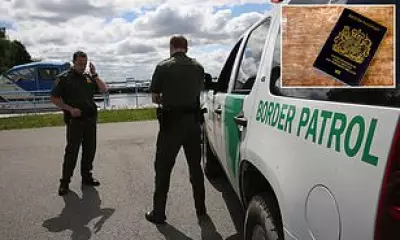
Federal law already mandates that voters in national elections be US citizens, but the Save America Act would impose strict new requirements. Specifically, the bill would require voters to provide proof of citizenship when registering and to present approved identification at the polls. These measures are part of a broader effort by Donald Trump and his most loyal supporters to assert more federal control over elections, despite experts noting that undocumented citizens voting in federal elections is exceedingly rare.
In a recent development, Trump has pushed for an amended version of the bill that includes additional controversial provisions, such as a ban on mail-in ballots, restrictions on transgender people participating in women's sports, and prohibitions on gender-affirming surgeries for minors. If this version were to pass in the Senate—which is considered unlikely—it would need to return to the House for further approval, adding another layer of complexity to the legislative process.
Trump's Vocal Advocacy and Political Threats
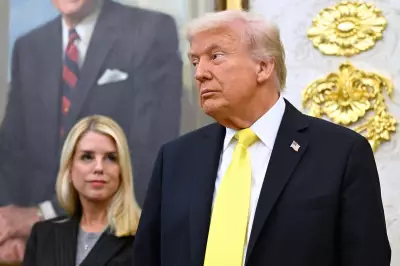
Ahead of the debate, Trump used social media to rally lawmakers, insisting that the Save America Act is "one of the most IMPORTANT & CONSEQUENTIAL pieces of legislation in the history of Congress" in a post on Truth Social. He has baselessly claimed that undocumented citizens are voting in large numbers, a assertion disputed by election experts. Last week, Trump threatened not to sign any bills until Congress approves this legislation, underscoring his strong personal investment in its passage.
In a provocative statement, Trump warned that "Only sick, demented, or deranged people in the House or Senate could vote against THE SAVE AMERICA ACT. If they do, each one of these points, separately, will be used against the user in his/her political campaign for office. A guaranteed loss!" This rhetoric highlights the high-stakes political environment surrounding the bill, as both parties gear up for upcoming elections and seek to leverage the issue for electoral advantage.
The Senate's decision to debate the Save America Act marks a significant moment in US politics, reflecting deep divisions over voting rights and election integrity. As discussions unfold, the outcome will likely influence future legislative efforts and shape the political landscape leading into the next election cycle.