Senate Committee Advances Mullin's DHS Nomination Amid Controversy
A key Senate committee has moved forward with the nomination of Republican Senator Markwayne Mullin to lead the Department of Homeland Security, setting the stage for a full Senate vote where Republicans appear poised to confirm him. The decision came on a near party-line vote, highlighting deep political divisions over his suitability for the role.
Committee Vote Reflects Partisan Divide
The Senate Committee on Homeland Security and Governmental Affairs advanced Mullin's nomination on Thursday, with nearly all eight Republicans voting in favour. The sole exception was the panel's chair, Rand Paul of Kentucky, who had previously criticised Mullin for comments related to a 2017 assault on Paul and a 2023 incident where Mullin appeared ready to fight a witness during a hearing.
On the Democratic side, John Fetterman of Pennsylvania was the only member to support the nomination, while his six colleagues opposed it. This partisan split underscores the contentious nature of Mullin's candidacy, which now moves to the full Senate for consideration.

Democrats Raise Concerns Over Conduct and Policies
Democrats expressed significant reservations about Mullin's nomination, citing his past behaviour and alignment with former President Donald Trump's immigration agenda. Gary Peters, the committee's top Democrat, stated that Mullin had failed to be "forthright and transparent" during the confirmation process.
Peters also highlighted concerns about Mullin's willingness to condone political violence, referencing a Senate ethics committee report that found he "advocated physical violence as a means to resolve political disagreement." This includes the 2023 confrontation with Teamsters president Sean O'Brien, where Mullin appeared poised for a physical altercation.
Mullin's Hearing and Immigration Stance
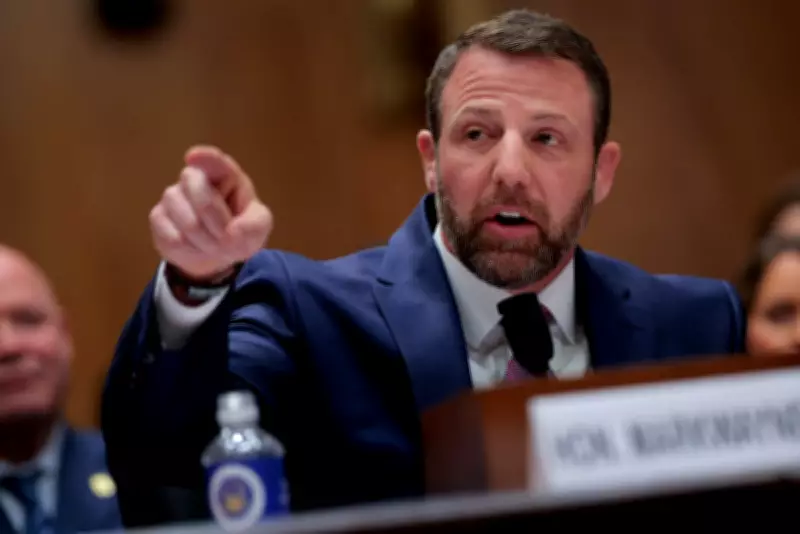
During his confirmation hearing on Wednesday, Mullin faced intense questioning from Democrats about his support for Trump's hardline immigration enforcement policies. While adopting a more diplomatic tone than in the past, he showed few breaks with the president's approach.
Mullin refused to commit to keeping immigration agents away from polling stations during elections and dodged questions about specific immigration arrests, claiming unfamiliarity with those cases. However, he did express regret for critical comments about Alex Pretti, a US citizen killed by immigration agents in Minneapolis earlier this year.
He also signalled a desire for DHS operations to have a lower public profile than under outgoing secretary Kristi Noem and pledged to ensure immigration agents obtain judicial warrants before entering homes or businesses, addressing concerns about the use of administrative warrants.
Path Forward to Senate Confirmation
With the committee's approval, Mullin's nomination now heads to the full Senate, where Republicans hold the numbers likely needed for confirmation. A vote is expected in the coming days, potentially cementing his leadership at DHS amid ongoing debates over immigration and security policies.
The advancement of Mullin's nomination reflects the enduring influence of Trump's agenda within the GOP and sets the stage for further political battles over homeland security priorities in the United States.