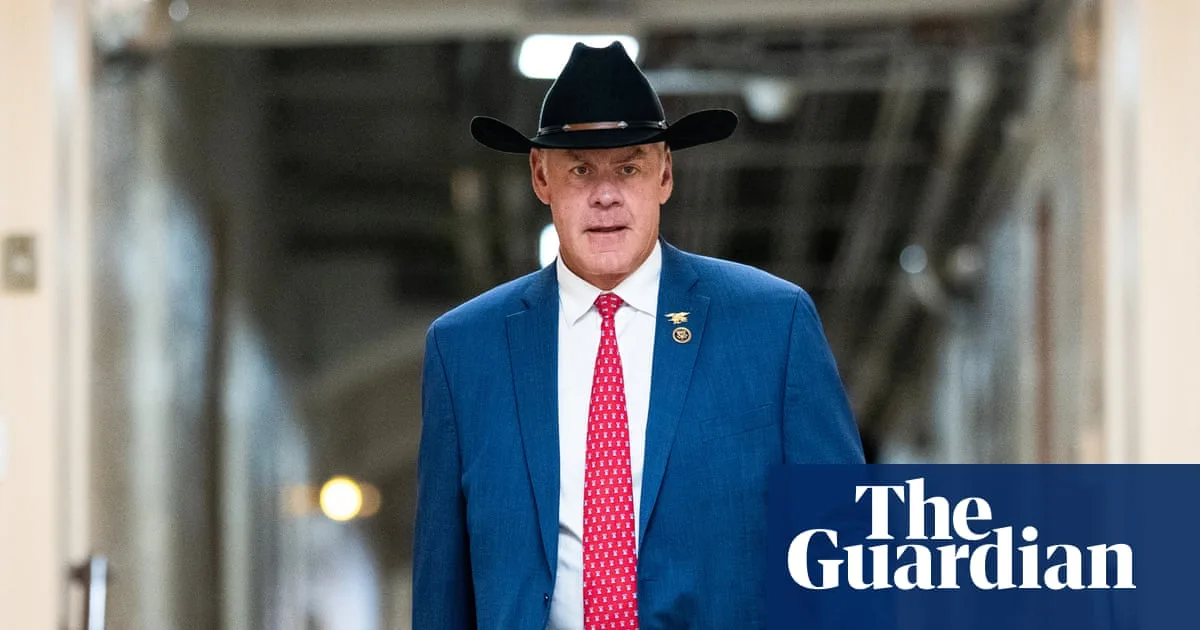
Ryan Zinke Retires from Congress Citing Health Issues, Shakes Up Montana Politics
Ryan Zinke Retires from Congress Due to Health Concerns

Former Trump administration cabinet member Ryan Zinke has declared he will not pursue a fifth term in the United States House of Representatives, pointing to ongoing health concerns as the primary reason for his decision. The Montana Republican, who served as Interior Secretary during President Donald Trump's first term, made the announcement in a letter to his constituents, explaining that multiple surgeries and required treatment for injuries sustained during his military service have necessitated this step.

Health Concerns Force Political Exit

Ryan Zinke, aged 64 and a former Navy SEAL hailing from Whitefish, Montana, detailed in his correspondence that he has undergone several surgical procedures in recent years and faces additional medical treatment for ailments linked to his over two decades of service in the armed forces. While Zinke clarified that his condition is not life-threatening, he emphasized that it demands considerable time for recovery and rehabilitation.

"My judgement and experience tell me it is better for Montana and America to have full-time representation in Congress than run the risk of uncertain absence and missed votes," Zinke wrote, underscoring his commitment to effective governance despite personal health challenges.

Wide Pickt banner — collaborative shopping lists app for Telegram, phone mockup with grocery list

Political Implications and Electoral Dynamics

This retirement decision introduces a significant shift in the political landscape, offering Democrats a potential opportunity to capture a House seat in a state that has trended increasingly conservative over the past ten years. Currently, Republicans hold a narrow majority of 218 to 214 seats, with three vacancies ahead of the crucial November midterm elections, making every contest pivotal.

Zinke's political journey includes election to the U.S. House in 2014 following four years in the Montana Legislature. He was appointed as Trump's Interior Secretary in 2017 but resigned in 2018 amid a series of ethics investigations. Despite this setback, Zinke made a political comeback in 2022, narrowly winning a newly established congressional district in western Montana, and secured reelection in 2024 with a comfortable margin.

Democratic Challengers and Republican Succession

Several Democratic candidates had already positioned themselves to challenge Zinke in the upcoming November election, including former gubernatorial candidate Ryan Busse and union organizer Sam Forstag. Forstag responded to the retirement news with a statement, asserting, "Ryan Zinke quit because he saw what was coming: all of us," and highlighting a desire for new leadership among western Montana residents.

On the Republican side, Zinke and Montana U.S. Senator Tim Sheehy have endorsed conservative talk radio host Aaron Flint, a combat veteran who announced his candidacy via social media. Zinke praised Flint as "the next generation of leadership Montana needs." Additionally, Flathead County Republican Committee Chairman Al 'Doc' Olszewski, a former state senator and surgeon with Air Force service, has entered the race. Olszewski, who nearly defeated Zinke in the 2022 GOP primary, filed paperwork shortly after the retirement announcement and noted to The Associated Press that the eventual Republican nominee must possess broad appeal to succeed in November.

"The Democrats have a fair shot at this race," Olszewski remarked. "This is not a safe Republican district."

Legacy and Policy Impact

Republican Governor Greg Gianforte lauded Zinke as a "champion for Montana," recognizing his service both as a SEAL and in political roles. Gianforte himself won a special House election to fill Zinke's seat after Zinke joined Trump's Cabinet. During his tenure at the Interior Department, Zinke was instrumental in advancing Trump's "drill, baby, drill" agenda, focusing on boosting oil and gas extraction from federal lands.

Concurrently, Zinke advocated for conservation efforts, notably leading initiatives last year to exclude potential sales of public lands from a Republican budget proposal, despite opposition from some within his own party. This dual focus on resource development and environmental stewardship marks a complex legacy as he steps away from congressional duties.

Pickt after-article banner — collaborative shopping lists app with family illustration




