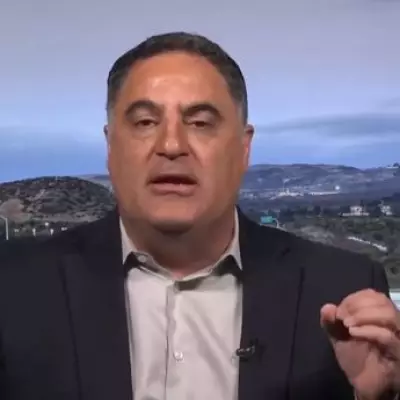
As the conflict in Iran enters its thirteenth day, the mounting death toll and economic repercussions underscore a profound crisis. Former US Secretary of Labor Robert Reich contends that this war represents not just a military engagement, but a catastrophic failure of American democracy itself.
The Human and Economic Cost of Conflict
The devastation is already staggering. Nearly 2,000 individuals have lost their lives, including 175 Iranian schoolchildren and seven American service members. At least 140 US troops have been wounded, with several in critical condition. These numbers are expected to rise significantly as the conflict continues.
On the economic front, soaring oil and gas prices are disproportionately impacting the poor and working classes in the United States. Meanwhile, the financial burden of the war is immense, with current estimates suggesting expenditures of approximately $1 billion per day. This translates to $41,666,667 every hour, or $11,574 each second.

Misplaced National Priorities
These vast resources, Reich argues, could be far better allocated to address pressing domestic needs. Americans are calling for accessible healthcare, affordable housing, comprehensive childcare and eldercare, and improved educational institutions. Yet, the government consistently claims these essential services are unaffordable.
This stands in stark contrast to the nearly $1 trillion allocated to the Pentagon, with President Trump now demanding an additional $500 billion. The tragic irony, according to Reich, is that this war lacks popular support. Polling data consistently shows that a majority of Americans oppose the conflict, making this the first modern war the US has entered without majority backing.
A Rogue Presidency and Democratic Failure
The core failure, Reich asserts, lies not with the American public, but with the nation's leadership. The United States, as the world's richest and most powerful nation, has historically championed a postwar international order built on multilateralism, democracy, human rights, and the rule of law.
Today, that nation is being led by a president who rejects these foundational values. This war was initiated by a single individual without Congressional approval, without consulting allies, and without articulating a clear rationale or objective. The occupant of the Oval Office has presented no coherent endgame, offered no consistent definition of victory, and appears fundamentally unprepared for the consequences of his actions.
The Path Forward: Strengthening Democratic Institutions
Reich outlines a multi-pronged response to this crisis. On March 28th, plans are underway for what could be the largest demonstration in American history. In the coming weeks and months, efforts must focus on hardening election systems to prevent override by executive overreach.
The November midterm elections present a critical opportunity to mobilize unprecedented voter turnout and reclaim Congressional leadership from those who have enabled this presidency. Concurrently, communities must continue to defend themselves, protect immigrant neighbors from state violence, and safeguard institutions like universities, schools, museums, libraries, and a free press from authoritarian tendencies.
The most effective response to the devastation of this war, Reich concludes, is to reinforce the very democratic mechanisms that should have prevented it from occurring. This involves active civic engagement, electoral participation, and the steadfast defense of civil liberties.
Robert Reich, Professor of Public Policy Emeritus at the University of California, Berkeley, served as US Secretary of Labor. He is a columnist for Guardian US.