

Reform UK's Visa Threat Over Slavery Reparations Sparks Outrage
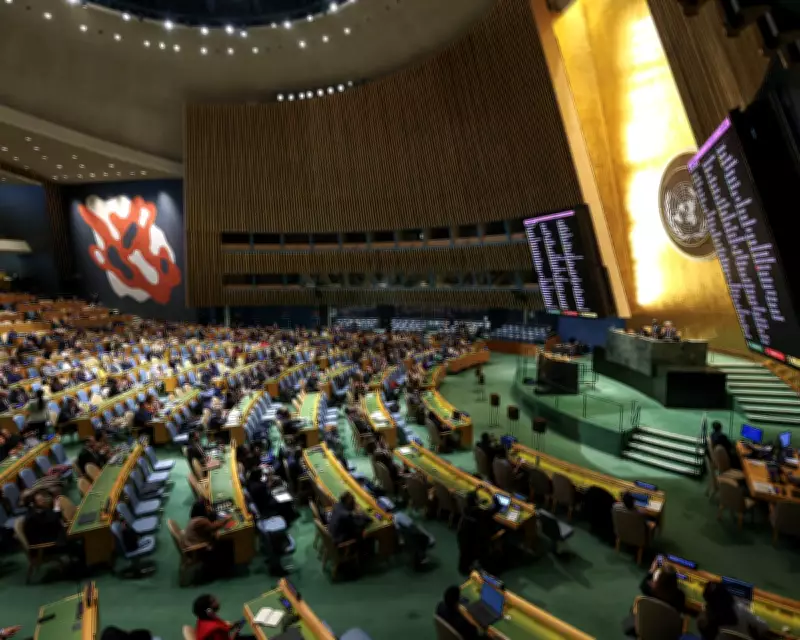
On 25 March, the UN General Assembly voted on a resolution declaring the trafficking and enslavement of Africans as the gravest crime against humanity. This global recognition has intensified debates over historical accountability, particularly in nations like the UK with deep colonial ties to slavery.
Reform UK's Controversial Stance
Reform UK has faced backlash for its threat to deny visas to citizens of countries seeking compensation for slavery. In a recent statement, Zia Yusuf of Reform UK argued that advocates for reparations are using history as a weapon to drain national treasuries, a claim critics label as a wilful misrepresentation designed to provoke indignation among supporters.
Paul McGilchrist from Cromer, Norfolk, responded sharply, noting that Britain's role in ending the slave trade does not absolve its involvement or erase the lasting effects of slavery. He criticised Yusuf's willingness to demonise entire populations whose governments question historical narratives, calling it an ugly tactic that merits visa denials—a move he deems hypocritical given Nigel Farage's coincidental statement opposing bans on entry based on speech.

Historical Context and Reparations Complexity
Sebastian Wilberforce of Tai Tapu, New Zealand, highlighted the ignorance in Reform UK's claim that the UK made huge sacrifices to end the slave trade. He pointed out that the 1833 act abolishing slavery in the British empire compensated enslavers handsomely, while formerly enslaved people received nothing and were often forced into similar working conditions.
The question of reparations is complex, involving moral, economic, and social dimensions. Chris Hughes from Leicester argued that European countries and the US should pay reparations, as profits from slavery created vast wealth for white owners, with perpetrators never held accountable. In the UK, 46,000 owners were compensated with amounts averaging £400,000 in today's values, funded by a loan not fully repaid until 2015, whereas African enslaved people were given nothing.
Broader Implications and Criticism
Reform UK's proposal has been condemned as nasty and small-minded, with critics arguing that visa applications should be considered on their merits, not used as political leverage. Many descendants of enslaved people seeking visas could benefit the UK in various ways, making the threat counterproductive and divisive.
This issue underscores ongoing tensions in UK politics over immigration, historical justice, and partisanship. As debates continue, the backlash against Reform UK reflects broader concerns about hypocrisy and dishonesty in political discourse, with letters urging a more principled engagement with history and reparations.






