Reform UK's Housing Spokesman Faces Calls for Dismissal Over Grenfell Remarks
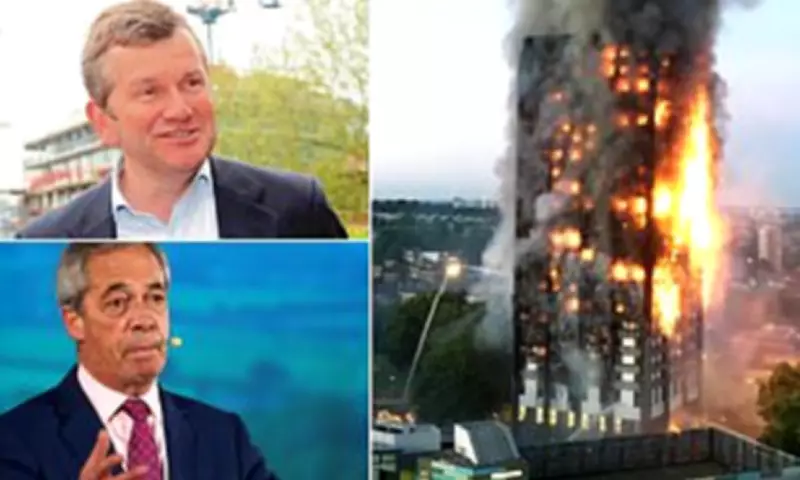
Nigel Farage is under mounting pressure to dismiss Reform UK's housing spokesman, Simon Dudley, following controversial comments about building safety regulations introduced after the Grenfell Tower fire. Dudley, a former executive at Homes England and the Ebbsfleet Development Corporation, argued in an interview that the regulatory pendulum has 'swung too far the wrong way' since the 2017 tragedy, which claimed 72 lives.
Controversial Statements Spark Outrage
In an interview with Inside Housing published this week, Dudley described the Grenfell fire as a 'tragedy' but questioned the proportionality of the current regulatory regime. He stated, 'Sadly, you know, everyone dies in the end. It's just how you go, right?' Dudley further claimed that building safety regulations are an example of 'regulation which is not working,' suggesting they hinder housebuilding unnecessarily.
The Grenfell Inquiry concluded that the deaths were avoidable, resulting from 'decades of failure' by governments and the building industry to address the dangers of flammable materials on high-rise buildings. Dudley's remarks have drawn swift condemnation from political figures across the spectrum.

Political Backlash and Calls for Action
Prime Minister Keir Starmer responded on social media, calling the comments 'shameful' and urging Farage to 'do the decent thing and sack him.' Housing Secretary Steve Reed echoed this sentiment, stating, 'If Nigel Farage has an ounce of decency, he will sack his housing chief immediately. These disgraceful comments about those who died in the Grenfell Tower fire are beyond the pale.'
Green Party MP Sian Berry added, 'Reform has sunk to a new low and shown a real disrespect to the victims of Grenfell. Anyone with any empathy or humanity will find these comments truly abhorrent.'
Dudley's Defence and Reform's Position
Dudley, appointed as Reform's housing spokesman last month to lead a review into 'Britain's building crisis,' defended his stance by comparing fire fatalities to road deaths. He argued, 'Extracting Grenfell from the statistics, actually people dying in house fires is rare… many, many more people die on the roads driving cars, but we're not making cars illegal, so why are we stopping houses being built?'
A Reform UK spokesman clarified, 'Homes must, of course, be built safely. However, overly burdensome building safety regulations can stifle housebuilding, meaning targets are missed and the waiting list for homes grows longer. Simon's comments reflected his broader point that the regulatory pendulum has swung too far in response to the tragedy.'
Context of Building Safety Reforms
The Building Safety Regulator, established after the Grenfell fire to oversee higher-risk buildings, has faced criticism for delays in approval processes. In June last year, the government announced reforms, including a fast-track process and investment, to address these issues and boost high-rise home construction.
Dudley contended that while efforts should be made to minimise risks, 'bad things do happen,' and excessive regulation is counterproductive. He emphasised, 'You can't stop tragic things happening. You can try to minimise excesses, but bad things do happen.' The ongoing debate highlights the tension between safety imperatives and housing delivery goals in the UK's construction sector.