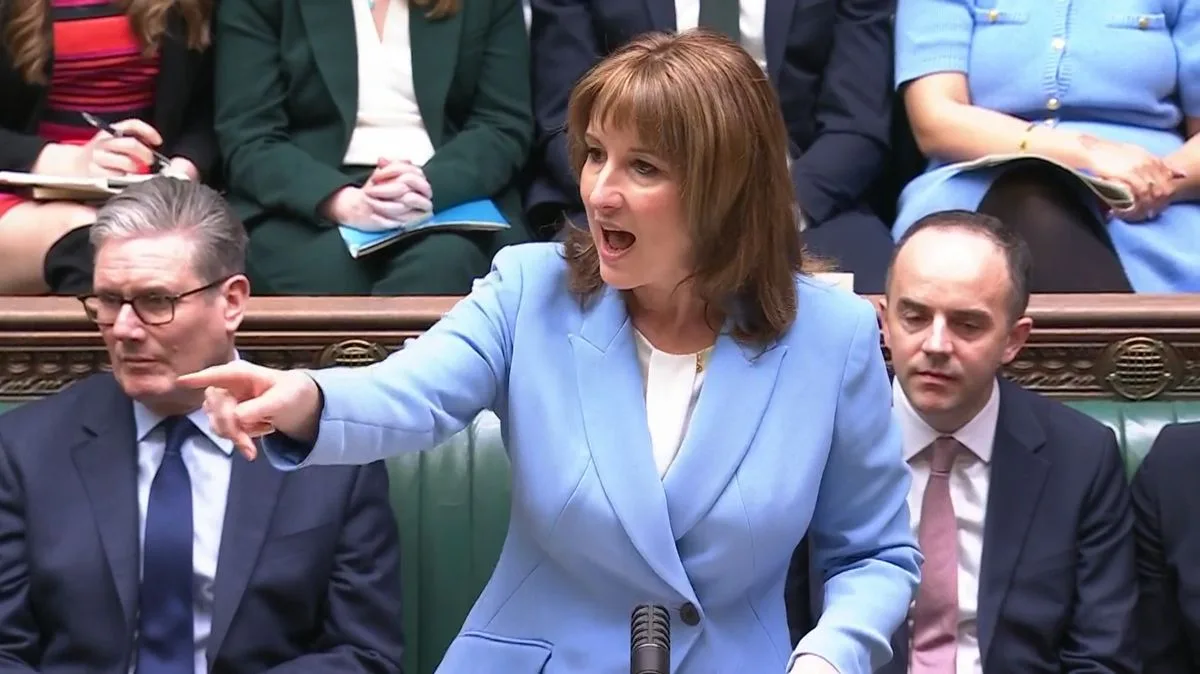
In a rare parliamentary success, Chancellor Rachel Reeves' deliberately understated spring statement proceeded with notable smoothness in the House of Commons. The Office for Budget Responsibility's projections avoided premature leaks, misleading pre-announcements were absent, and the event passed without the dreaded "fiscal headroom" surprises or unexpected tax increases. For a chancellor whose tenure has been marred by turbulence, this fiscal occasion offered a glimmer of stability, potentially signalling a pivotal moment for both her career and Britain's struggling economic landscape.
The Economic Landscape: Fragile Growth and External Threats
The overall news remains mixed yet cautiously optimistic, particularly when viewed against the backdrop of Reeves' challenging period since succeeding Jeremy Hunt in July 2024. The UK's growth forecast for 2026 has been revised slightly downward to 1.1 percent, rendering the economy susceptible to external disruptions. A minor shock could easily push the nation back into recession or even stagflation, especially if sluggish output coincides with inflationary pressures from escalating energy costs and global instability.
Fiscal Targets and Political Pressures
This delicate growth outlook complicates Reeves' ability to meet her fiscal objectives, inevitably raising difficult questions about potential tax rises or spending reductions. Medium-term challenges, including heightened defence expenditure, special educational needs obligations, and public sector pay demands, further strain the treasury. The spectre of a high-tax, low-growth "doom loop" looms large, posing a direct threat to her longevity in office.
The Iran Conflict: An Unpredictable Wildcard
Reeves' statement and the OBR's figures predominantly reflect pre-war conditions, meaning renewed Middle Eastern instability will inevitably impact living standards. Sharply higher oil and gas prices, declining stock markets, and deteriorating global prospects for investment, unemployment, inflation, and interest rates collectively darken the economic horizon. While the chancellor cannot be held responsible for these external developments, their consequences will undoubtedly complicate her role, and she will bear the political brunt, fairly or otherwise.
Parliamentary Performance: A Rare Confident Display
During the spring statement, Reeves appeared notably chirpy and delivered a more fluent and assured Commons performance than usual. Shadow chancellor Mel Stride failed to gain significant traction, and Reeves effectively dismantled the arguments put forward by Liberal Democrat and Reform Treasury spokespersons Daisy Cooper and Robert Jenrick, leaving them metaphorically in tears. This parliamentary victory, however, may prove fleeting against broader political headwinds.
Political Survival: Tied to Starmer's Fortunes
Reeves' political fate has been inextricably linked to Prime Minister Keir Starmer's since their fortunes began to unravel during her first Budget nearly two years ago. Both figures now occupy weakened positions, and if Starmer were to dismiss or reshuffle her, his numerous critics would likely question his own legitimacy in Downing Street. Despite recent improvements, Reeves remains a poor communicator lacking fundamental political instinct, and she has yet to overcome the legacy of ill-timed tax hikes, welfare reform debacles, and frequent policy reversals.
Leadership Prospects and Party Sentiment
As long as Starmer retains power, Reeves is likely to remain in post, but she would not survive a change in Labour leadership. Once considered a potential leadership contender herself, she now commands little support within the party, is deeply unpopular with the public, and is surrounded by colleagues who believe they or others could perform better. Nevertheless, Labour chancellors historically exhibit remarkable longevity, with Gordon Brown serving a decade and Denis Healey over five years, and they are seldom dismissed outright. Reeves may yet endure the full term, whether deservedly or not.