Cancer Diagnoses Reach Alarming Record in the United Kingdom
Cancer cases have surged to an unprecedented level across the United Kingdom, with approximately one individual receiving a diagnosis every 80 seconds, according to recent figures. Analysis conducted by Cancer Research UK reveals that more than 403,000 people are diagnosed with the disease annually, a trend largely attributed to the nation's expanding and ageing population, as the likelihood of developing cancer increases with age.
NHS Services Under Immense Strain
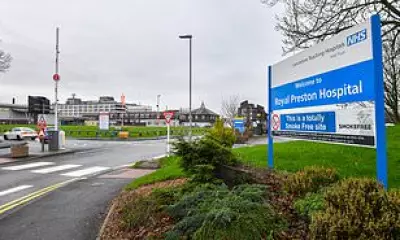
The charity has issued a stark warning that National Health Service (NHS) facilities are struggling to cope with the escalating demand. Cancer waiting times throughout the UK are among the worst ever recorded, highlighting significant pressures on healthcare infrastructure. The newly published Cancer in the UK Report 2026 indicates that incidence rates have climbed to 620 per 100,000 people over the past decade, up from 610. Meanwhile, the proportion of cases diagnosed at an early stage has seen minimal improvement, rising only slightly from 54% to 55%.
Progress at Risk of Stalling
Although death rates have declined and the percentage of individuals surviving a decade or longer has increased, Cancer Research UK cautions that this positive trajectory is at risk of stalling. This potential setback is partly due to the overwhelming strain on cancer services. The charity acknowledges the Government's recently unveiled National Cancer Plan for England as a crucial step toward enhancing care. However, it emphasises the necessity for adequate funding and resources to translate ambitious goals into tangible impacts for patients.

Charity Calls for Accelerated Action
Michelle Mitchell, Chief Executive of Cancer Research UK, stated: "More people are being diagnosed with cancer than ever before. While cancer survival has doubled since the 1970s, progress has slowed over the last decade." She added that the National Cancer Plan could make a significant difference, but only if it leads to real improvements for cancer patients. Publishing the plan does not signify completion; ambitions to diagnose cancers earlier, meet waiting time targets, and enhance treatment best practices must be implemented swiftly.
The charity advocates for the widespread and effective rollout of screening programmes, such as those for lung cancer, and the acceleration of innovative cancer tests. In 2025, around 107,000 cancer patients across the UK waited more than 62 days to commence treatment, underscoring the urgency of these measures.
Government and NHS Responses
Cancer Research UK commended the Government's commitments to meet waiting time targets in England but noted that the situation is considerably worse in Northern Ireland, calling for increased nationwide investment in specialist staff and equipment. A spokesperson for the Department of Health and Social Care responded: "We have delivered a record number of diagnostic tests in the last 12 months, backed by an extra £26 billion for the NHS. The number of patients receiving a timely cancer diagnosis or all-clear is the highest in five years, though we remain vigilant."
The spokesperson highlighted that the National Cancer Plan aims to ensure faster diagnoses, sooner treatment, and better support for patients, with a goal of 75% of patients diagnosed from 2035 being cancer-free or living well after five years. Additionally, the forthcoming Tobacco and Vapes Bill is expected to protect future generations from cancer risks.
Focus on Prostate Cancer and Early Detection
Natalia Norori, Head of Data and Evidence at Prostate Cancer UK, commented: "Cancer diagnoses are rising, and as the UK's most common cancer, with 64,000 new cases annually, prostate cancer contributes significantly. The encouraging news is that prostate cancer is highly treatable when detected early. However, with over 1,000,000 men projected to be living with the disease by 2040, prioritising early detection is essential for saving lives."

An NHS spokesperson added: "Latest data shows that early diagnosis in England is at a record high and continues to rise. Staff are delivering 30% more cancer checks than in 2021, ensuring survival rates are also at an all-time high. Nevertheless, we recognise the need to advance further in diagnosing cancers earlier and saving more lives, which is why the National Cancer Plan will transform services to expedite diagnosis, reduce waits, and improve care for all affected individuals."