Rachel Reeves' Economic Statement Criticised as Lacking Substance
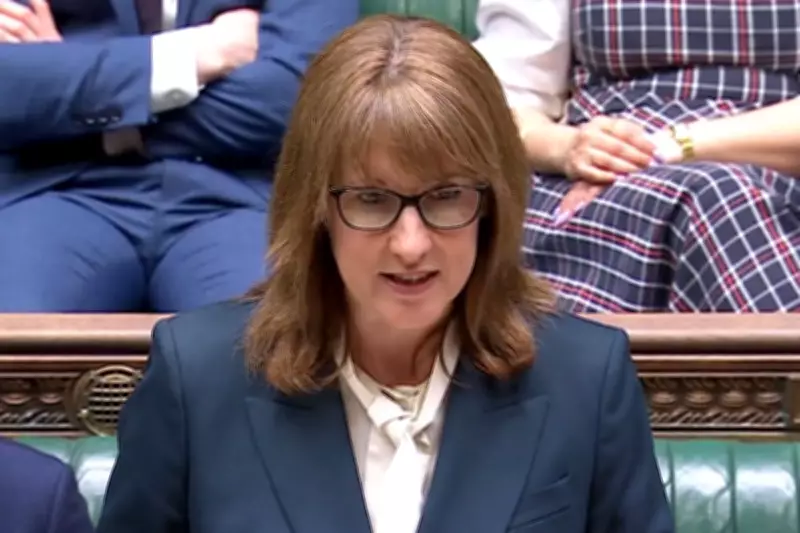
Chancellor Rachel Reeves delivered a fifteen-minute statement to the House of Commons on Tuesday 24 March 2026 that was widely perceived as announcing precisely nothing new. This came after heightened expectations following an emergency COBRA meeting, where many anticipated she would present a concrete plan to address potential economic shocks from the escalating Iran war.
High Expectations Dashed by Familiar Policies
Against a backdrop of concerning economic indicators—including rising inflation and unemployment, stagnant interest rates, and declining growth—the chancellor's statement was billed as a critical moment. However, instead of unveiling new strategies, Ms Reeves reiterated a series of previously announced policies, diverting attention to topics like two-child benefit and nursery funding while urgent concerns about energy and fuel prices went unaddressed.
The silence in the Commons was described as deafening, with MPs left questioning the purpose of the statement. Notably absent were any announcements on fuel duty adjustments, additional support for energy prices, increased defence spending, or initiatives to extract oil and gas from the North Sea.

Defiant Stance on Fiscal Rules
Ms Reeves adopted a defiant tone, not only dismissing demands from the Opposition benches but also issuing a swipe at Labour MPs. Despite significant pressure from Labour backbenchers and some cabinet ministers to relax borrowing and spending rules to mitigate the crisis, the chancellor firmly rejected these pleas.
She emphasised her commitment to "acting within our iron clad fiscal rules," ruling out new borrowing or any flexibility. This stance has sparked frustration among colleagues, particularly with local and devolved elections approaching on 7 May and the party's opinion poll ratings languishing below 20 per cent.
Limited Promises and Growing Concerns
The statement included only minimal promises: a review of fuel prices within the next month and increased action against "price gouging" and "profiteering." Many are anxiously awaiting the scheduled 5p hike in fuel duty set for September, with no relief announced.
It is difficult to believe that the COBRA meeting on Monday yielded only a "steady as it goes" approach without serious contingency measures for an expected economic shock. Critics argue that Ms Reeves effectively announced "no extra help for millions" of households struggling with the war's impact.
Political Repercussions and Future Implications
While planted soft questions from Labour MPs provided some comfort, broader discontent is simmering within the party. MPs had hoped for measures that could be effectively communicated to voters on the doorstep, addressing household struggles directly.
Unless the war concludes rapidly—a possibility given President Trump's unpredictable nature—it seems likely that Ms Reeves, or perhaps a successor, will need to return to the Commons to announce emergency measures that were conspicuously absent from today's statement.
This episode may well serve as the epitaph to Ms Reeves' troubled tenure as chancellor, highlighting her perceived struggles to adapt to or understand the political climate, whether regarding winter fuel payments, welfare cuts, or the current Middle East crisis.