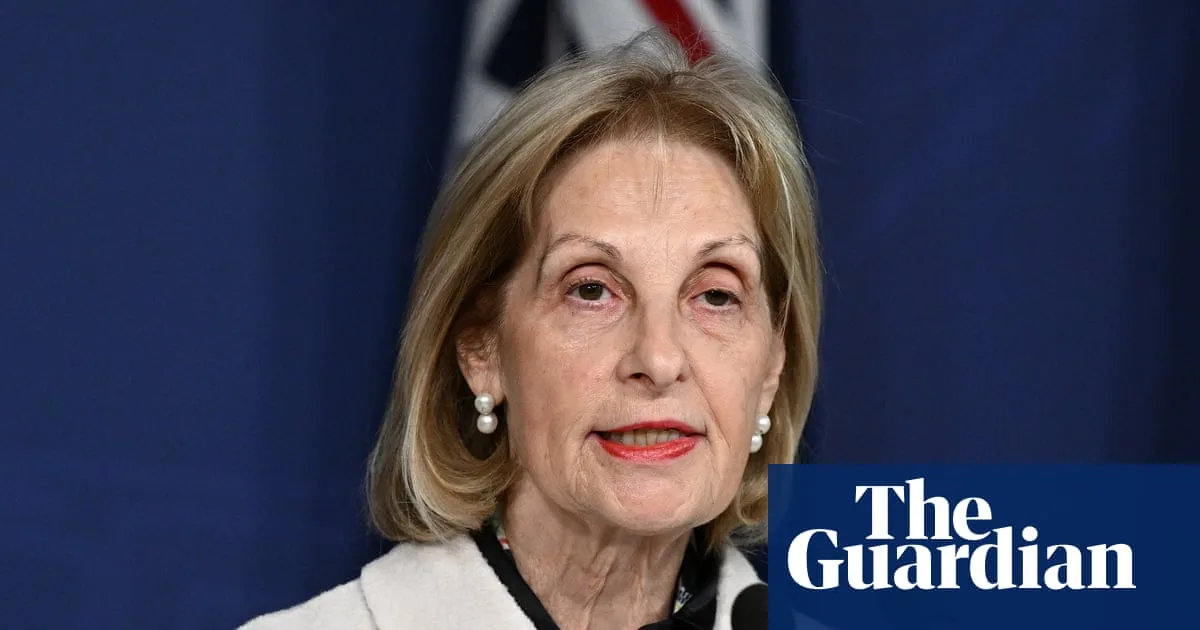
The ABC and SBS have defended their existing complaints processes and rejected a proposal from Australia’s antisemitism envoy, Jillian Segal, for a new external regulatory body to oversee their coverage of the Middle East. The conflicting evidence was presented at the royal commission on Thursday.
Segal told the hearing there was a “common and pervasive perception” in the Jewish community that public broadcasters’ coverage of the war in the Middle East “lacked balance”, overemphasised Gaza compared with other conflicts, and gave disproportionate voice to anti-Israel perspectives. She proposed a new “oversight” committee to vet coverage.
However, the ABC’s editorial director, Gavin Fang, said the broadcaster’s ombudsman, board, and the Australian Communications and Media Authority (Acma) were functioning effectively. “I’m not sure how another oversight body might function in addition to that existing oversight body, which already has the power to review and to examine the ABC’s content,” he said.
The SBS ombudsman, Amy Stockwell, emphasised the independence of her role and the robustness of SBS’s complaints committee and Acma. “It’s not a case of me marking my own homework. I mark somebody else’s homework, then the Acma marks mine,” she said.
Segal also criticised Acma, saying Jewish Australians were almost more frustrated with it than with the ABC. She spoke favourably of the UK’s media watchdog Ofcom, though Ofcom’s website notes it has no enforcement powers for BBC online material.
The ABC ombudsman, Fiona Cameron, reported that from October 2023 to May 2026, 42% of 19,000 content complaints concerned Israel-Gaza coverage. The ABC stated that perceptions of bias were split nearly evenly between pro-Palestinian and pro-Israel claims, suggesting “strongly held views across the community rather than systematic editorial favouritism”.