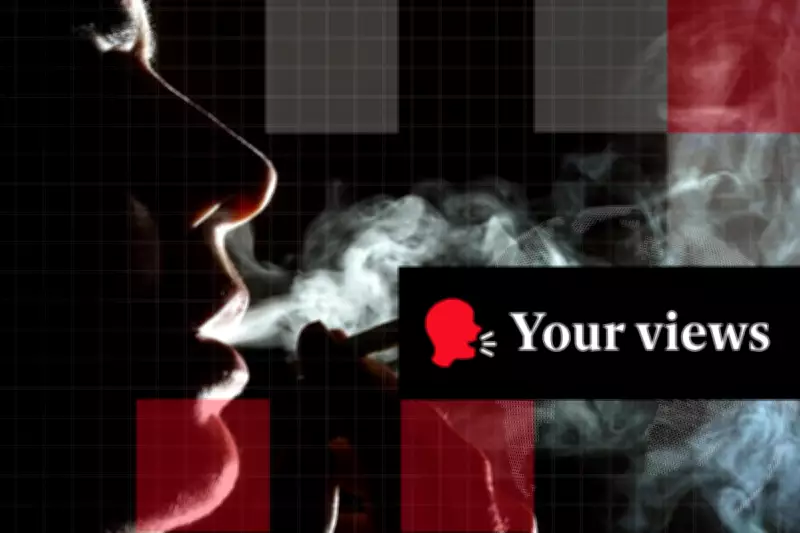
Public Opinion Split on Landmark Smoking Ban for Post-2008 Generation
The Tobacco and Vapes Bill, which cleared Parliament this week, has ignited a fierce debate among Independent readers. The legislation aims to create a "smoke-free generation" by banning anyone born after 2008 from ever legally purchasing cigarettes. While ministers hail it as a landmark public health intervention, our community remains deeply divided on its implications.
Poll Reveals Sharp Divide on Personal Freedom vs. Health Protection
In a recent poll of readers, 40 percent argued that the move excessively restricts individual choice, labeling it a violation of personal freedom. The remaining 60 percent expressed support for the policy, though a quarter of those supporters acknowledged significant enforcement difficulties. This split underscores the tension between safeguarding public health and preserving civil liberties in modern policymaking.
Practical Concerns and Enforcement Challenges Emerge
Many readers questioned how the ban would function in reality. Practical issues raised include:

- The burden on shopkeepers to verify ages and enforce the law, potentially leading to confrontations.
- A surge in smuggling and black market activity, as seen with other prohibited substances.
- The loss of substantial tax revenue from tobacco sales, estimated at billions annually.
- Broader economic impacts, such as increased pension and healthcare costs from longer lifespans.
One reader, 9Diamonds, pointedly asked, "Well... who polices this? Shopkeepers? What happens when it gets violent?" highlighting fears over implementation.
Generational Fairness and Motivations Questioned
A recurring theme in the debate is fairness between generations. Several readers argued that the law creates unequal rights, with older generations retaining access while younger ones face a lifetime prohibition. CelestialSlayer remarked, "Either outright ban it, or don't. It's all about the taxes." This sentiment reflects skepticism about the government's motives, with some suggesting revenue concerns outweigh public health priorities.
Others drew comparisons to alcohol, questioning why similar restrictions aren't applied there. Paul criticized the policy as "fundamentally illiberal," emphasizing the right to personal choice for actions that primarily affect the individual.
Health Arguments Acknowledged Amidst Libertarian Concerns
Despite the criticism, many readers acknowledged the health benefits of reducing smoking. RockoftheNorth noted that smoking rates have declined significantly since the 1950s, with current rates around 14 percent for men in the UK. However, they expressed reservations about bans, pointing out that smoking is already in decline and highlighting concerns about vaping as an alternative.
antmanbe shared a personal story, stating, "I lost my mother to lung cancer nearly 30 years ago," yet still advocated for individual choice, arguing that adults should have the freedom to make their own decisions, whether good or bad.
Risk of Boosting Crime and Black Markets
Several readers warned that the ban could inadvertently fuel criminal activity. euroguy29 predicted, "I bet drug dealers are wide-eyed at the prospect of greater profits," suggesting that tobacco could become a Class C drug for certain age groups. This raises concerns about public order and whether the policy might trade health gains for increased crime.
TalkingSense proposed an alternative approach, advocating for personal freedom with shared responsibility: "If someone wants to smoke and vape then that's fine by me, just as long as no one else has to breathe in the poison." They suggested holding manufacturers accountable for healthcare and littering costs, applying similar principles to alcohol.

Conclusion: A Complex Balance of Values
The debate over the smoking ban reveals a complex interplay of values: public health, personal freedom, economic considerations, and generational equity. While supporters see it as a necessary step toward a healthier society, opponents fear it sets a dangerous precedent for government overreach. As the policy moves toward implementation, these divisions are likely to persist, reflecting broader societal tensions in an era of increasing regulation.
Readers are encouraged to share their views by logging in or registering on our platform. Independent Premium subscribers enjoy priority for featured comments, ensuring diverse perspectives are highlighted in ongoing discussions.