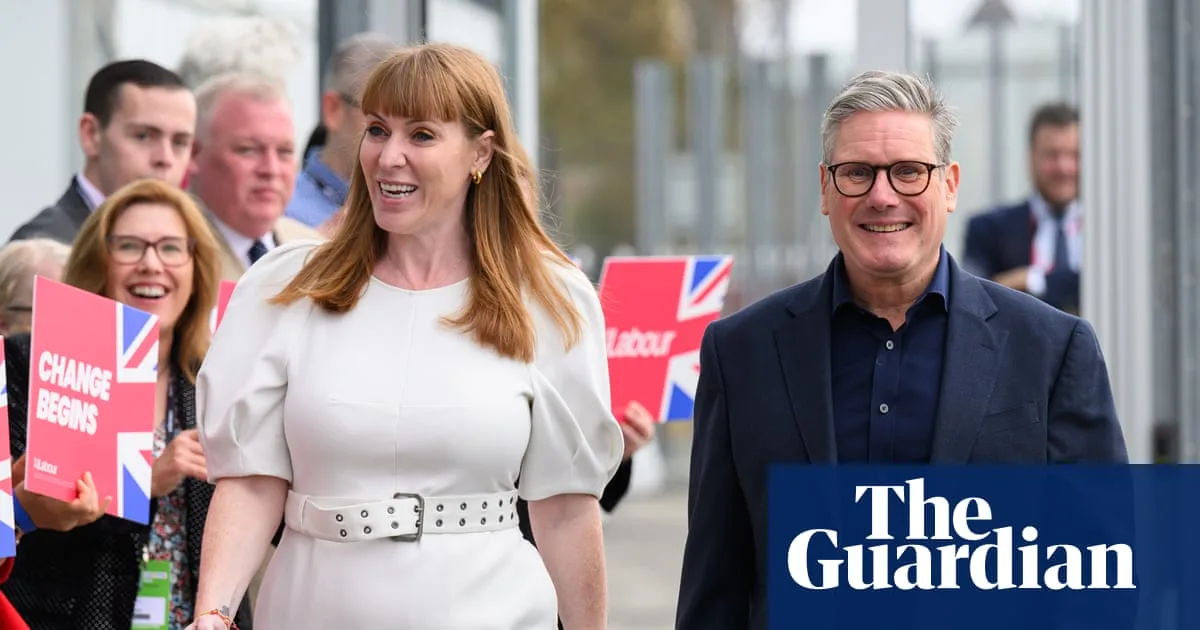
Angela Rayner's Podcast Launch Sparks Leadership Speculation
The pilot episode of Angela Rayner's new podcast, 'Beyond the Bubble', has ignited fresh debate about the former Labour deputy leader's political ambitions. Featuring a conversation with Michael Gove, the former housing secretary and current editor of The Spectator, the show represents a calculated move to maintain visibility from the backbenches.
Modern Political Positioning Through Digital Media
In contemporary politics, launching a podcast has become the equivalent of what was once termed "putting in the phone lines" - a reference to Michael Portillo's 1995 leadership bid preparations. While Portillo installed forty landlines in a Westminster campaign headquarters, Rayner has opted for digital outreach through her housing-focused podcast series.
The recording features Rayner interviewing Gove about their shared interest in housing reform, particularly addressing "fleecehold" practices and improving rights for leaseholders and tenants. Despite their political differences, Gove reportedly described their collaboration as "the Annie Lennox and Dave Stewart of housing policy".
Infrastructure and Ambition Beyond the Podcast
Rayner's podcast initiative forms part of broader political infrastructure development. In January, she registered a company named The Office of Angela Rayner, earned £19,000 for a speech last month, and has accepted donations totalling £120,000 for staffing costs this year alone.
These developments suggest that, should Rayner decide to challenge Keir Starmer for the Labour leadership, she possesses the necessary financial resources, staff support, and modern infrastructure - primarily digital tools requiring only smartphones and internet connections rather than physical campaign offices.
Strategic Positioning from Outside Government
Unlike Portillo, who operated from within the cabinet as employment secretary, Rayner must maintain public visibility while outside government. Her approach mirrors that of Green Party leader Zack Polanski, who launched a podcast to reach beyond his natural political base to broader audiences.
Political observers note that Starmer appears unlikely to bring Rayner back into government, despite publicly stating he expects her to play "a leading role in this Labour government". The Prime Minister's previous blocking of Andy Burnham as a by-election candidate suggests reluctance to strengthen potential leadership challengers.
Backbench Influence and Policy Positioning
From her backbench position, Rayner enjoys greater freedom to oppose government policies explicitly. She has positioned herself at the forefront of backbench opposition to Shabana Mahmood's plans regarding settled status for immigrants, competing with Energy Secretary Ed Miliband to influence the government's agenda from outside ministerial ranks.
Her cross-party collaboration with Gove represents an attempt to broaden her appeal, though this pluralistic approach may not resonate with Labour members who participate in leadership elections. The strategy reflects Rayner's understanding that Starmer is unlikely to reintegrate her into government, necessitating alternative methods to maintain political relevance.
Timing and Political Context Considerations
Some analysts question whether Rayner, like Portillo before her, might have missed her political moment. She has never secured sufficient support among Labour MPs to trigger a leadership challenge against Starmer, and the current international context - particularly the Iran war - has rendered such political manoeuvring potentially inappropriate.
Portillo's experience serves as a cautionary tale: despite returning to parliament in 1999 after losing his seat, he missed his subsequent leadership election opportunity by a single vote. Rayner's podcast initiative represents both a clever strategy for maintaining relevance from the backbenches and a potential platform for future leadership ambitions, though its ultimate effectiveness remains uncertain in the evolving political landscape.






