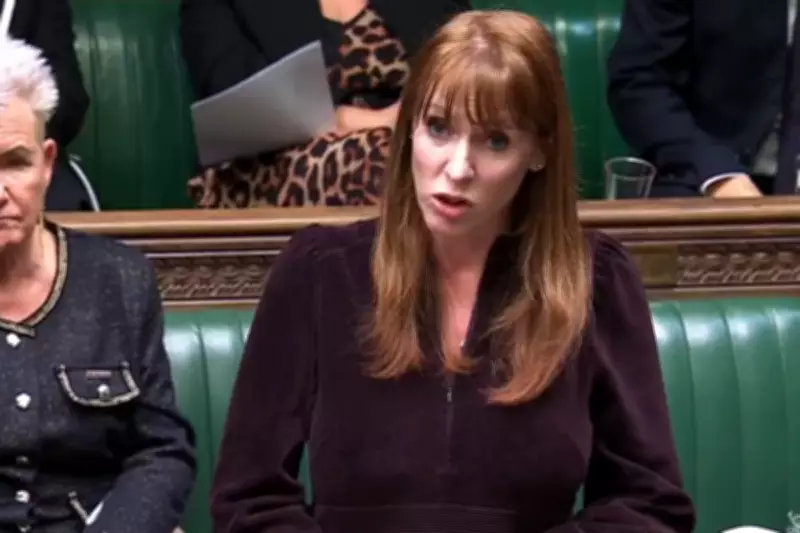
Rayner's Dramatic Commons Intervention Exposes Starmer's Vulnerability
Political tensions reached a boiling point in the House of Commons this week when Angela Rayner, the former deputy prime minister, made a stunning declaration that she would vote with the Conservative opposition against her own party leader, Prime Minister Sir Keir Starmer. The dramatic intervention centred on the controversial release of vetting documents related to Lord Peter Mandelson's appointment as US ambassador, a move that has severely undermined Starmer's authority and positioned Rayner as a potential successor to the beleaguered Labour leader.
A Calculated Political Betrayal
The atmosphere in the Commons chamber grew tense as Rayner rose to speak, with audible gasps from MPs as she made her intentions clear. This represented a remarkable political reversal for the politician who once famously described Tories as "scum," yet now found common cause with them at a moment of maximum vulnerability for the Prime Minister. Starmer was forced into an embarrassing U-turn on his attempts to limit damage from the publication of the sensitive Mandelson files, with his prized reputation for integrity and sound judgement called into question by MPs across both government and opposition benches.
Political observers immediately drew parallels with historical betrayals in Westminster politics, with Sir Keir potentially muttering his own version of "et tu Angela" as he faced this public humiliation from within his own party. The Prime Minister's authority has been fundamentally challenged at a time when his government is already struggling with poor polling numbers and internal dissent.

The Knife-Wielder's Dilemma
British political history is littered with examples of those who wield the knife against their leaders but fail to claim the crown themselves. Michael Heseltine's role in deposing Margaret Thatcher in 1990, Michael Gove's elimination of Boris Johnson in 2016, and Rishi Sunak's part in ending Johnson's premiership in 2022 all demonstrate this political truism. The question now dominating Westminster corridors is whether Angela Rayner will suffer the same fate following her dramatic intervention in Thursday's parliamentary debate concerning the Mandelson scandal.
Despite resigning less than six months ago over personal tax payment issues related to her Brighton flat purchase, Rayner is now being openly discussed as a potential replacement for Sir Keir. Sources reveal she felt privately betrayed by Starmer and his chief of staff Morgan McSweeney during her downfall, and has been biding her time on the Labour backbenches since her resignation.
Strategic Positioning for Leadership
Rayner's recent political manoeuvring has been carefully calculated. While initially supporting Andy Burnham's abortive Commons return last month, she frustrated many natural supporters on the Labour left by not engaging with protests about the Manchester mayor being blocked from standing in the Gorton and Denton by-election. Her silence on perceived government transgressions regarding welfare and winter fuel payments further alienated some traditional allies.
It now appears she was simply waiting for the right moment to strike. With Sir Keir on the ropes, MPs openly calling for his resignation, and the government attempting yet another reset just 91 months after winning power with a huge majority, the political landscape has shifted dramatically. Labour's ratings remain dismal, Starmer's personal approval ratings are even worse, and the upcoming Gorton and Denton by-election on 26 February could potentially finish his premiership if he manages to hold on that long.
The Succession Battle Takes Shape
Rayner's Commons intervention has effectively signalled her intention to be a candidate to replace the Prime Minister. With Andy Burnham out of the picture and Health Secretary Wes Streeting viewed as too right-wing and too closely associated with Mandelson, Rayner would stand a strong chance in any leadership contest. Her dramatic move has positioned her as the standard-bearer for those dissatisfied with Starmer's leadership while maintaining enough distance from the current administration's perceived failures.

The crucial question now facing Westminster observers is whether Rayner overplayed her hand with such a public betrayal or struck at precisely the right moment to capitalise on Starmer's weakness. Her calculated risk has certainly reshaped the Labour leadership landscape and created the most significant internal challenge to Starmer's authority since he took office. As the Mandelson scandal continues to unfold and the by-election approaches, all eyes will be on whether Rayner's gamble pays off or follows the historical pattern of knife-wielders failing to claim the ultimate prize.