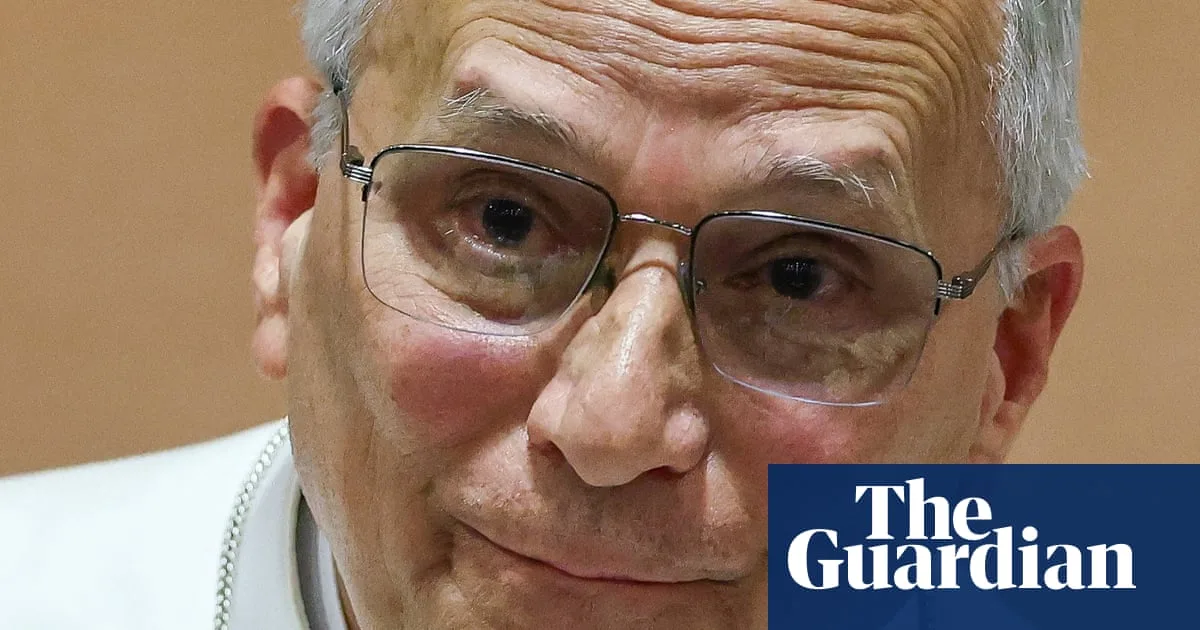
Pope Leo has denounced the “culture of power” behind the rapid rise of artificial intelligence, warning that the technology must be subject to the “most rigorous” ethical constraints as it infiltrates work, war, and daily life. In his encyclical, the first major text on safeguarding humanity of his papacy, he also apologised for the Catholic church’s long delay in condemning slavery, calling it “a wound in Christian memory”.
Presenting the document himself at the Vatican on Monday, the pope—born in Chicago and the first US-born pontiff—said AI was helping to facilitate the “normalisation of war”. He urged the “disarming” of AI, stating that some autonomous weapons systems are “practically beyond any human reach” to control. “Disarming AI means freeing it from the mentality of ‘armed’ competition,” he wrote, adding that the technology should be “human-friendly” and accessible to all.
In a passage aimed at Silicon Valley, the pope warned that power over digital systems, infrastructure, and data “does not rest with states but with major economic and technological actors”. When concentrated “in the hands of the few”, such power tends to “become opaque and evade public oversight”, increasing risks of “new dependencies, exclusions, manipulations and inequalities”.

Christopher Olah, a co-founder of Anthropic—an AI firm in a lawsuit with the Trump administration—attended the event and said AI development cannot be left solely to technology companies. He noted a “real possibility” that AI would displace human labour “at very large scale”, calling support for the displaced “a moral imperative of historic proportions”.
On slavery, Leo—whose family history includes both enslaved people and enslavers—wrote: “It is impossible not to feel deep sorrow when contemplating the immense suffering and humiliation endured by so many… For this, in the name of the church, I sincerely ask for pardon.” No pope has previously acknowledged or apologised for the role popes played in granting sovereigns authority to enslave “infidels”.