Politics Without Politicians: A Radical Vision for Citizen Governance
Imagine a political landscape devoid of familiar figures like Donald Trump, Nigel Farage, or Liz Truss, and without political parties or elections. Instead, envision a system where ordinary people, chosen by lottery, govern the nation for two-year terms, akin to an intensified jury service but with the weight of an entire country's destiny in their hands. This provocative concept is at the heart of Hélène Landemore's book, Politics Without Politicians, which advocates for a dramatic expansion of citizen power.
The Argument for Radical Change
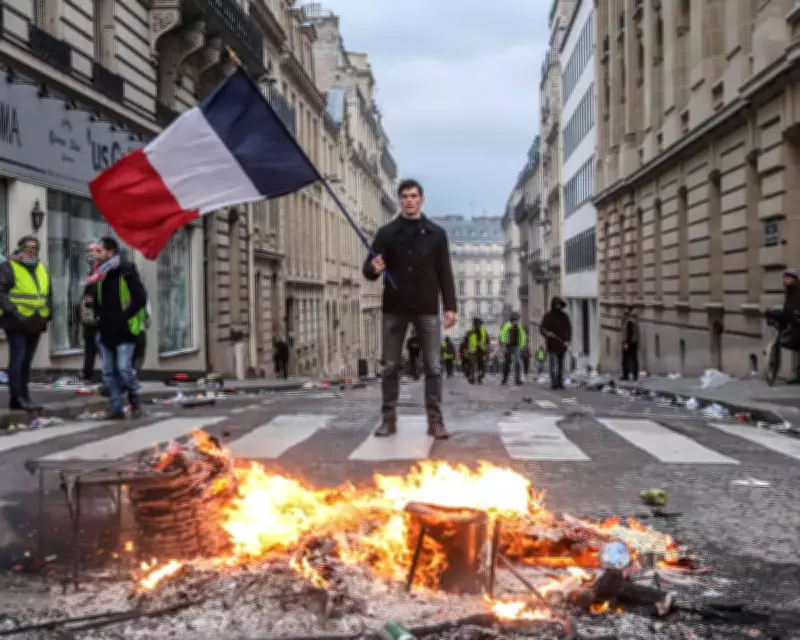
Landemore, a Yale lecturer born in France, contends that traditional politics is fundamentally broken and beyond repair. She proposes scrapping electoral representation as the optimal solution. Her work is informed by direct involvement with two citizens' assemblies established by Emmanuel Macron in response to the 2018 gilets jaunes protests, initially sparked by fuel tax hikes. These assemblies tackled issues such as climate policy and assisted dying, the latter being a topic where British politics has notably struggled.
The book also examines successful models from Iceland post-banking crash, Belgian local governance, and the acclaimed Irish assembly that guided the legalisation of abortion. These cases demonstrate how citizen involvement can foster ownership over sensitive decisions, binding communities together through participatory processes.

Human Benefits and Social Cohesion
Among the most compelling sections are those detailing the human advantages of participation, particularly for French citizen jurors. Landemore highlights how these assemblies forge lasting friendships, strengthen civic bonds, and enable genuine dialogue among strangers. This contrasts sharply with the polarised shouting matches often seen on social media, offering a blueprint for civil discourse on contentious issues like social care reform, trans rights, or immigration in Britain.
However, the persistent rise of the French far right during this period suggests that public inclusion alone is not a panacea for populism. Yet, the model presents a viable approach to depoliticise topics that British leaders hesitate to address, providing citizens with the time to explore complex issues thoroughly rather than rushing to judgments amid election campaigns filled with misinformation.
Practical Challenges and Theoretical Gaps
Where Landemore's argument falters is in the leap from citizen juries handling specific matters to them running entire countries. She advocates for a lottocracy, where randomly selected individuals form a parliament for two-year stints. This raises practical questions: Would employers reserve jobs for participants? What if someone excels in governance and resists returning to a mundane job? Landemore touches on these issues theoretically, suggesting natural leaders might ascend to executive roles, but concrete solutions remain elusive.
In crises, such as economic turmoil or pandemics, the need for expertise becomes paramount. While citizen assemblies excel in deliberating ethical dilemmas like abortion or climate action, they may lack the swift, informed response required for emergencies. Democracy's safeguard—the ability to oust ineffective leaders via elections—is replaced in Landemore's vision with ongoing referendums, a system that could prove chaotic, as seen with the Brexit and Scottish independence votes.
Inherent Flaws and Human Nature
Landemore rightly critiques politics for its corruption, elitism, and dominance by overconfident personalities. Yet, abolishing professionals does not guarantee that amateur replacements will avoid similar pitfalls. Vested interests might still lobby a people's parliament, and power could corrupt citizen MPs, echoing themes from George Orwell's Animal Farm.
The ultimate flaw in any political system is human nature itself—both those in power and the electorate. While the idea of ordinary people governing is enticing amid global discontent, this book leaves doubts about risking such an experiment. Politics Without Politicians offers a thought-provoking critique but falls short in addressing the practical realities of governance in an unstable world.