Plaid Cymru Set to Overtake Labour in Wales as UK Union Faces Unprecedented Strain
Following the general election of July 2024, which ended over a decade of Conservative dominance, the United Kingdom appeared to be entering a period of renewed unionist stability. The parliament elected was the most pro-Union since the early 2010s, a time before the Scottish National Party's surge in popularity began reshaping British politics. In Scotland, a significant 16-point swing away from the SNP allowed Labour to secure the majority of votes and seats, while in Wales, Plaid Cymru managed only modest gains, winning just four parliamentary seats compared to Labour's 27 under Sir Keir Starmer's leadership.
Swift Reversal of Fortunes Post-Election
However, the landscape has shifted rapidly since then. Sir Keir Starmer's government has been plagued by numerous missteps, leading to a dramatic reversal in political fortunes. According to recent polling, Plaid Cymru is now on course to replace Labour as the largest party in the Senedd during the May elections. This would mark the first time since devolution that Labour does not hold the top position in Wales. Similarly, in Scotland, a revitalised SNP has overcome its own scandals to lead comfortably in polls for the Scottish parliament, capitalising on the government's woes.
At the SNP's spring conference, leader John Swinney highlighted what he described as an "absolutely seismic" possibility. By 8 May, Scotland, Wales, and Northern Ireland—which will not vote again until next year—could all have first ministers in place who are committed to pursuing independence from the United Kingdom. This scenario would be a historic first, though it does not necessarily signal an immediate push for the union's breakup.

Strategic Caution and Political Maneuvering
Mr Swinney has pledged to centre independence in his campaign but has tied calls for a second referendum to achieving an outright SNP majority, a feat not accomplished since 2011. This high bar reflects a sense of strategic caution, as the party remains in recovery mode after a tumultuous period. This included the resignations of two leaders, the collapse of a coalition with the Greens, and serious legal issues involving Nicola Sturgeon's estranged husband, Peter Murrell, who was charged with embezzling SNP funds.
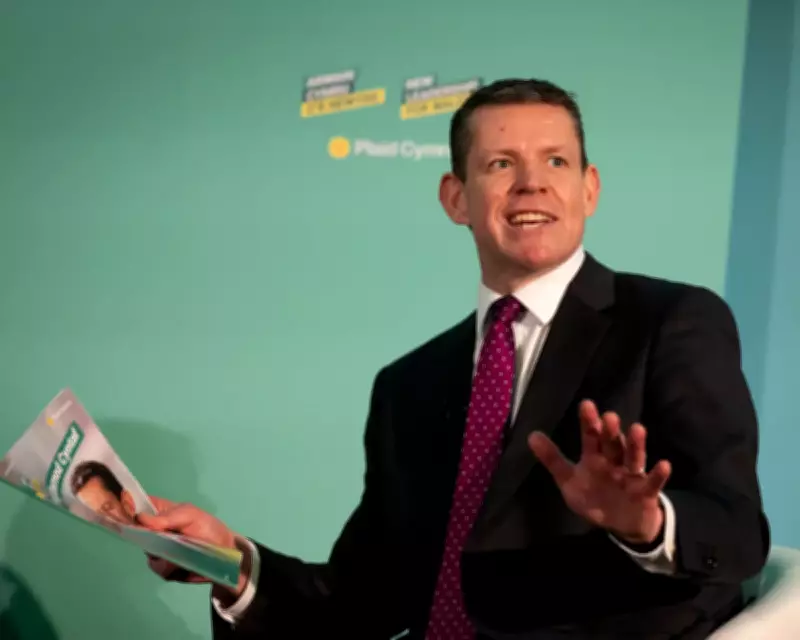
In Wales, support for independence has typically plateaued at around 30%. Plaid Cymru's leader, Rhun ap Iorwerth, has explicitly ruled out holding a referendum during his first term if the party gains power. As first minister, he would aim to leverage a win-win situation: concessions from Westminster could boost Plaid's popularity, while a lack of concessions might strengthen the case for independence in the future.
Broader Political Shifts and Labour's Missteps
The potential for Nigel Farage to become prime minister in the next general election is likely to further concentrate minds beyond England's borders, underscoring the significant shifts in UK politics. Despite recognising the threat, Labour appears to be drawing incorrect conclusions. A leaked memo to cabinet ministers last week adopted a high-handed, almost Johnsonian tone, advising them not to be "overly deferential or laissez-faire" in dealings with Welsh and Scottish counterparts.
Regardless of the May election outcomes, the government should arguably adopt the opposite approach. Labour's failure to convincingly embody a social democratic alternative to Tory rule has allowed the SNP and Plaid Cymru to outflank them on the left. This dynamic is paving the way for renewed tensions between Westminster's centralised power and the devolved nations.
Call for Constructive Collaboration
As the Faragian right seeks to impose an authoritarian English nationalism, often symbolised by the St George's flag, the need for constructive collaboration among progressive forces in London, Edinburgh, and Cardiff has never been greater. Without such cooperation, the centrifugal forces unleashed by Westminster's failures at the centre will only intensify, potentially destabilising the union further. The fragile state of UK politics demands a more nuanced and respectful engagement with devolved administrations to navigate these challenging times effectively.