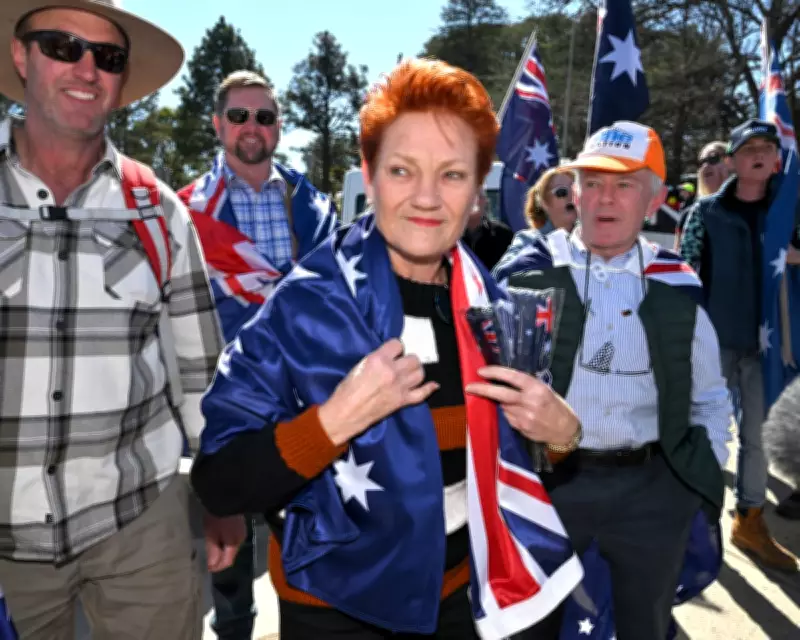
Pauline Hanson's Remarks on Muslims Fuel Intense Hate Speech Controversy
Australian political figure Pauline Hanson has ignited a fierce national debate after making contentious comments about Muslims, with critics accusing her of promoting hate speech and inciting division. The remarks, delivered during a recent public address, have drawn widespread condemnation from community leaders, human rights advocates, and political opponents, who argue that such rhetoric undermines social cohesion and targets vulnerable minority groups.
Backlash and Calls for Accountability
The response to Hanson's statements has been swift and vocal, with many calling for stricter enforcement of hate speech laws and greater political accountability. Advocacy groups have highlighted the potential real-world consequences of such inflammatory language, noting that it can fuel discrimination and violence against Muslim communities. In Australia, where hate speech regulations exist but are often debated for their effectiveness, this incident has renewed scrutiny over how such laws are applied to public figures.
Supporters of Hanson, however, defend her right to free speech, framing the comments as part of a broader political stance on immigration and national identity. This defense has sparked further discussion on the balance between protecting free expression and preventing harm, a tension that resonates globally in an era of rising populism and polarized politics.

Broader Implications for Australian Society
The controversy extends beyond immediate political fallout, touching on deeper issues of multiculturalism and integration in Australia. Analysts suggest that Hanson's comments reflect ongoing tensions within the country's diverse society, where debates over immigration, religion, and national values frequently surface in political discourse. The incident has prompted calls for more inclusive dialogue and policies that foster unity rather than division.
As the debate continues, observers note that the outcome could influence future political campaigns and legislative efforts related to hate speech and minority protections. With public opinion divided, the situation underscores the challenges of navigating sensitive topics in a democratic society while upholding principles of tolerance and respect.