

Partial US Government Shutdown Begins: Key Differences and Impacts Explained
The partial government shutdown that commenced on Saturday marks a significant departure from the record-long closure experienced in the fall. This development arises as Congress faces a temporary funding lapse, but the situation is expected to resolve quickly when lawmakers reconvene.
Why This Shutdown Differs from Previous Closures
Unlike the prolonged shutdown in the fall, this partial closure may be brief. The House of Representatives plans to pass funding legislation promptly upon returning on Monday, which would swiftly end the shutdown. Congress has already approved half of this year's funding bills, ensuring that several critical federal agencies and programs continue operating through September. For instance, nutrition assistance programs should remain unaffected, providing stability for millions of Americans.
However, funding has lapsed, at least temporarily, for key entities such as the Pentagon and agencies including the Department of Homeland Security and the Department of Transportation. While essential functions will persist, workers in these sectors could face unpaid wages if the impasse extends, with some potentially being furloughed.

Causes Behind the Latest Shutdown
The government funding process had been progressing smoothly, with bipartisan agreement among key lawmakers in the House and Senate. However, the dynamic shifted following the shooting deaths of two U.S. citizens, Alex Pretti and Renée Good, by federal agents in Minneapolis this month.
Democrats, outraged by Pretti's killing, demanded that one of the six remaining funding bills—specifically for the Department of Homeland Security and its associated agencies—be removed from the package passed by the House. They insisted the bill must include changes to immigration enforcement, such as a code of conduct for federal agents and a requirement for officers to show identification.
In an effort to avoid another prolonged shutdown, President Donald Trump's White House negotiated a deal with Democrats to temporarily fund the Department of Homeland Security at current levels for two weeks while discussions continue. The Senate passed a five-bill funding package on Friday, but it must be approved again by the House before becoming law. With the House not returning until Monday, funding for parts of the government has lapsed, at least temporarily.
Historical Context of Brief Shutdowns
Yes, there have been previous brief or weekend shutdowns, and their effects were often minimal for the general public. During Trump's first administration, a couple of such incidents occurred. In January 2018, a dispute over immigration protections led to a weekend shutdown, resulting in some federal workers being furloughed or working without pay. However, benefits like Social Security and Medicare continued uninterrupted, and many people did not notice the closure, with federal offices reopening the following Monday after a deal was reached.
In February 2018, the shortest shutdown in U.S. history lasted about nine hours overnight, and most individuals observed no impact. Although agencies technically shut down after funding lapsed, the brevity meant furlough notices were not fully distributed, and no closures occurred during business hours.
Specific Funding Impacts and Agency Operations
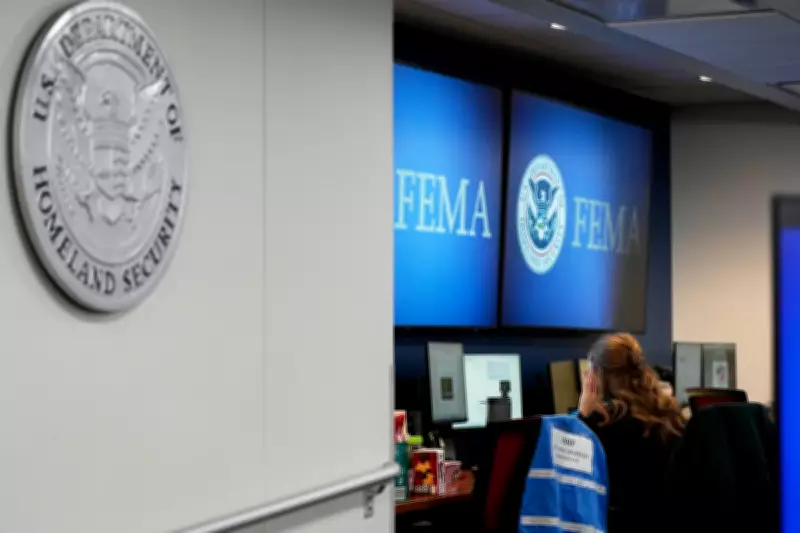
The current funding lapse affects the Pentagon and agencies such as the Department of Transportation and the Department of Homeland Security, which includes the Federal Emergency Management Agency. Experts suggest that FEMA should have sufficient funds to respond to the massive winter storm still affecting large areas of the country, with approximately $7 billion to $8 billion available in a disaster response and recovery fund. However, an extended shutdown could strain this fund, particularly if FEMA must address new emergencies.

Other FEMA operations, such as writing or renewing National Flood Insurance Program policies, will pause, as they did during last year's 43-day shutdown. That previous closure disrupted air travel significantly, with delays and cancellations mounting. There is now a renewed risk of air travel disruptions, as one of the pending spending bills covers the Department of Transportation, responsible for the air traffic control system and its workforce. Air traffic controllers will continue reporting for duty but will do so without pay until a funding bill is passed.
Status of Food Assistance Programs
No, food assistance programs will not be affected, which is a major change from the fall shutdown. During that period, many individuals faced reduced or no assistance from the Supplemental Nutrition Assistance Program in the final weeks of the closure. The bill to end that shutdown funded the Department of Agriculture and its administered programs through the remainder of the budget year, ending on September 30.
This means full SNAP benefits will continue now, serving about 42 million people, or roughly one in eight Americans in lower-income households, who receive an average of around $190 monthly per person. Additionally, the federal supplemental nutrition program for women, infants, and children, known as WIC, is fully funded for the year, providing healthy food and nutrition counseling to pregnant women and young children.





