New York Primary Exposes Thin Anti-Trump Consensus Among Democrats
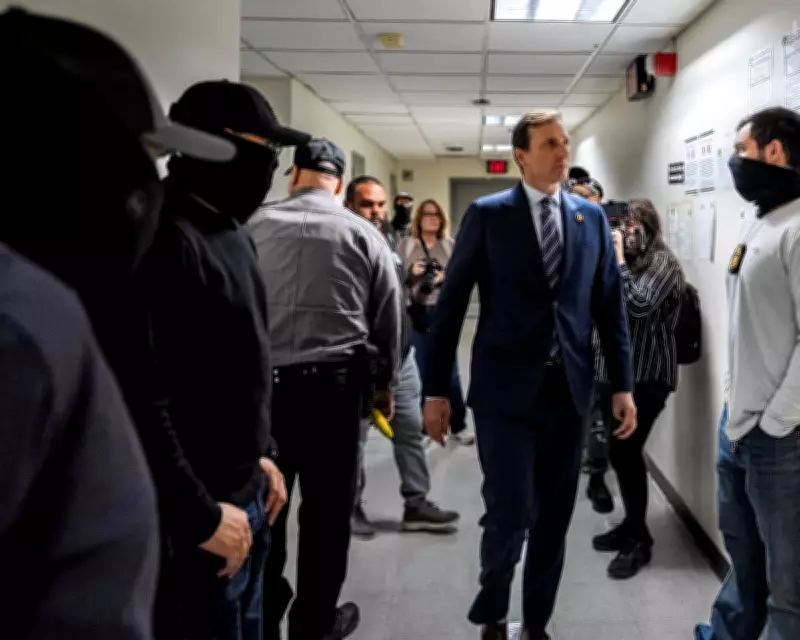
In a Manhattan federal court hallway on 23 October 2025, Dan Goldman stood as a symbol of the Democratic party's complex relationship with Donald Trump. As he remarked, 'The Democratic party's anti-Trump consensus can't be denied, but it is also thin.' This statement captures the essence of a growing rift within the party, now surfacing in New York's 10th congressional district primary.
The Battle in NY-10: Goldman vs. Lander
Representative Dan Goldman, a Levi Strauss heir with a net worth of up to $253 million, is facing a primary challenge from former New York City comptroller Brad Lander. Goldman launched his re-election campaign on the fifth anniversary of January 6, centering his pitch on his role leading the first impeachment inquiry against Trump. In contrast, Lander is a veteran organizer with years in city government experience. Both candidates identify as progressives and oppose Trump, but this primary will test whether being 'anti-Trump' is sufficient or merely the baseline for Democratic politicians.
The Democratic party appears more united than in years, largely due to opposition to Trump's presidency. This unity has masked significant disagreements on economic policy, civil liberties, foreign affairs, and corporate money in politics. However, in NY-10, these divisions are re-emerging, highlighting a faultline between Democrats focused on defending norms and those seeking to challenge concentrated wealth and corporate power.

Goldman's Controversial Votes and Policies
Despite his anti-authoritarian credentials, Goldman's voting record reveals alignments with establishment interests. On 21 November 2024, he was one of only 15 Democrats to support HR 9495, a bill allowing the executive branch to designate non-profits as 'terrorist supporting organizations' with limited transparency. The ACLU warned this grants excessive power to harass groups like news outlets and universities, contradicting Goldman's impeachment efforts against Trump for abusing executive authority.
In April 2024, Goldman voted to reauthorize Fisa Section 702 without a warrant requirement for surveilling US citizens, arguing warrants would render the program useless. His vote was decisive in defeating a bipartisan amendment for warrant protections. On cryptocurrency regulation, he broke with his caucus multiple times, supporting industry-friendly measures like nullifying a Biden-era tax evasion rule and backing acts that shift oversight to weaker agencies, potentially benefiting Trump and tech billionaires.
Maxine Waters criticized such moves for making it easier for Trump's interests to dictate policy, while Elizabeth Warren's office noted loopholes for terrorists and criminals. Goldman also voted for the Expanding Access to Capital Act, dubbed a major deregulation that risks retirement plans for schools and non-profits, favoring asset managers over working-class savers.
Foreign Policy and Broader Implications
Goldman's establishment alignment extends to foreign policy. In November 2023, he voted to censure Rashida Tlaib over Israel criticism, and in February 2024, he supported a $17.6 billion military aid package to Israel opposed by 78% of Democrats. He backed sanctions on the International Criminal Court, which UN officials called a human rights violation, and supported a terrorism designation for the Houthis rejected by the Biden administration for hindering aid in Yemen.
Amid pro-Palestine campus protests, Goldman condemned university presidents in a politicized hearing, siding with Republicans. His record illustrates a Democrat who uses anti-Trump rhetoric while protecting powerful interests that fueled Trumpism. This primary exposes the thinness of the anti-Trump consensus, encompassing both Lander's steadfast progressivism and Goldman's theatrical opposition without substantive policy challenges.
As the Democratic party grapples with this divide, primaries like NY-10 serve as crucial tests. The energy against Trump must translate into a left-of-center alternative, or risk perpetuating the very forces that made Trumpism possible. The outcome will shape whether the party moves beyond defensive opposition to embrace transformative policies addressing inequality and corporate power.