Massive No Kings Protests Expected Nationwide This Weekend
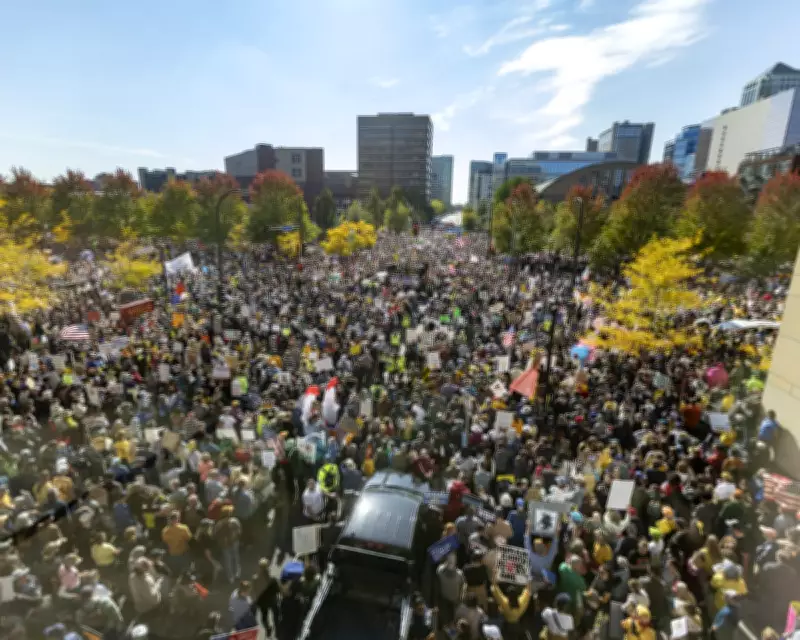
This Saturday, a wave of anti-Trump demonstrations is set to sweep across the United States, with more than 3,100 events planned nationwide. The crowds are anticipated to be even larger than the previous major No Kings protests in October 2025, which drew an estimated 7 million participants. The surge in turnout reflects growing public outrage over a series of controversies engulfing the Trump administration.
Fueling the Fury: Key Issues Driving the Protests
The protests are being fueled by a confluence of high-profile incidents that have galvanized opposition. In January, ICE agents in Minneapolis killed two protesters, Renee Good on January 7 and Alex Pretti on January 24, who were opposing the administration's immigration enforcement actions. These deaths have intensified anger over what critics describe as a mass kidnapping, detention, and ethnic cleansing program affecting tens of thousands.
On January 30, approximately 3 million files related to Jeffrey Epstein were released by the Department of Justice, revealing connections between the deceased sex trafficker and elites, including members of Trump's circle. One document alleges childhood sexual abuse by Donald Trump under Epstein's auspices, a claim denied by the White House.

In March, Trump launched a war in Iran, targeting political leaders but also causing civilian casualties, including schoolgirls. The conflict has drawn comparisons to the 2003 Iraq invasion and led to soaring fuel prices, further straining consumers amid an economy losing jobs due to policies favoring the wealthy, immigration enforcement, and AI investment over workers.
A Broad Coalition of Grievances
The No Kings marches, akin to the Women's Marches of Trump's first term, serve as a repository for diverse anti-Trump grievances. Participants will include those opposing deportation policies, cuts to federal programs, attacks on healthcare and education, wars in the Middle East, and rising gas costs. Others are angered by executive power expansion, corruption, hostility to green energy, alleged violence against women, and personal vulgarity.
Critics argue that these demonstrations lack precision and specific demands, focusing instead on expressing the passion and scale of anti-regime sentiment. However, proponents contend that the breadth of the coalition can still drive policy changes by showcasing popular discontent ahead of the November midterms.
Political Implications and Future Activism
The protests aim to demonstrate that liberal and left-leaning Americans remain a significant force, countering narratives of a permanent conservative cultural shift post-2024. While some attendees may view participation as a one-time civic duty, many are expected to engage in ongoing organizing, fostering new forms of political engagement at local levels.
Ultimately, the No Kings protests highlight the enduring power of mass demonstrations in shaping political discourse and challenging authoritarian tendencies in contemporary American politics.