

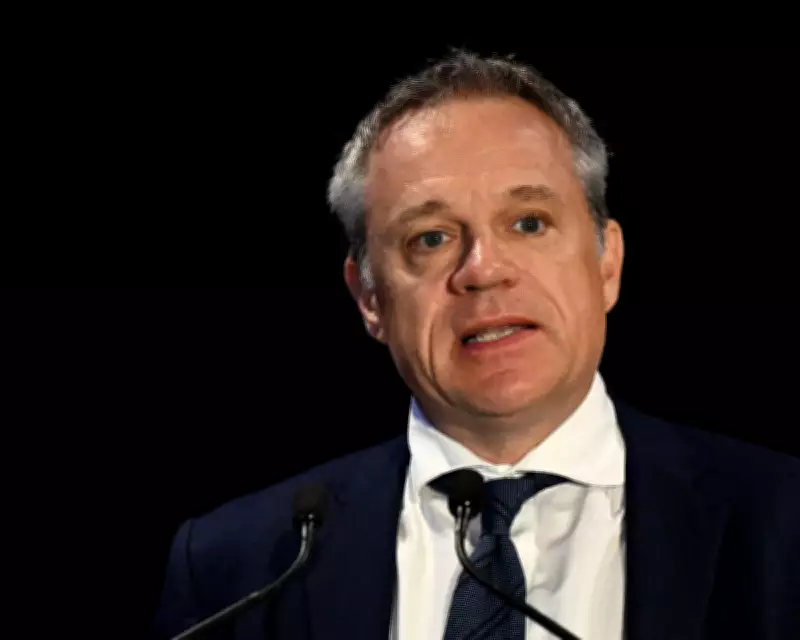
Nine CEO Calls for Urgent Action on Media Bargaining Code
Matt Stanton, the Chief Executive Officer of Nine Entertainment, has issued a stark warning to Prime Minister Anthony Albanese, urging him to elevate the priority of Australia's news media bargaining code. Speaking during the presentation of Nine's half-year financial results, Stanton emphasised that this policy is critical not only for the company's journalism investments but also for the long-term health of the nation's democracy, community voices, and broader economy.
Risks of Further Delays and AI Disruption
Stanton highlighted that the long-awaited news bargaining incentive, designed to compel global platforms like Google, Meta, and TikTok to compensate local media, faces potential delays that could push implementation into late 2026. This policy aims to address the power imbalance between search or social media giants and media publishers in negotiations over payment for displaying news content. Many agreements under the original voluntary code have expired, raising concerns that it cannot adequately manage this differential.
The rise of artificial intelligence has exacerbated these issues, particularly through "zero-click searches," where users obtain information directly from engines and AI models without visiting the news sites that produce it. Stanton noted that the increasing influence of global tech giants and the rapid evolution of AI are posing significant challenges for Australia, disrupting traditional revenue models for publishers worldwide.

Proposed Laws and Trade Complications
The proposed laws, which would target companies such as Meta, Google, and ByteDance, have been delayed amid broader trade negotiations between Australia and the United States, complicated by Donald Trump's tariff regime. The policy intends to encourage agreements by imposing a government charge on qualifying tech companies, which can be offset when platforms strike deals with publishers.
AI's Dual Impact on Media Companies
Artificial intelligence presents a double-edged sword for media firms. While AI-powered platforms alter how people access news, Nine has secured two licensing deals with key domestic corporations for using its content to train in-house large language models. Stanton acknowledged that AI will bring both efficiencies and disruptions, with a promising pipeline of opportunities locally and globally.
Financial Performance and Strategic Shifts
Nine reported a 4% decline in half-year revenue to $1.06 billion, driven by a prolonged slump in advertising dollars and struggles in the free-to-air television market. However, overall earnings increased by 6% to $192.2 million, largely due to a cost-cutting program aimed at reducing operational costs by approximately $160 million over three years.
The company has undergone significant structural changes, including the sale of the real estate platform Domain and its radio stations, to focus on assets expected to deliver superior returns in a digital world, such as the outdoor advertising group QMS Media. Nine's mastheads—the Age, the Sydney Morning Herald, and the Australian Financial Review—offset most print and digital advertising declines with a 12% growth in subscription income over the half year.
Additionally, the subscription service Stan, benefiting from its deal to stream English Premier League games, continues to be a revenue growth engine. Nine declared a 4.5 cent interim dividend, and its shares rose more than 3% following the results announcement.
In summary, Stanton's call underscores the urgent need for policy action to support Australian media in the face of evolving technological threats, ensuring the sustainability of journalism and democratic discourse.






