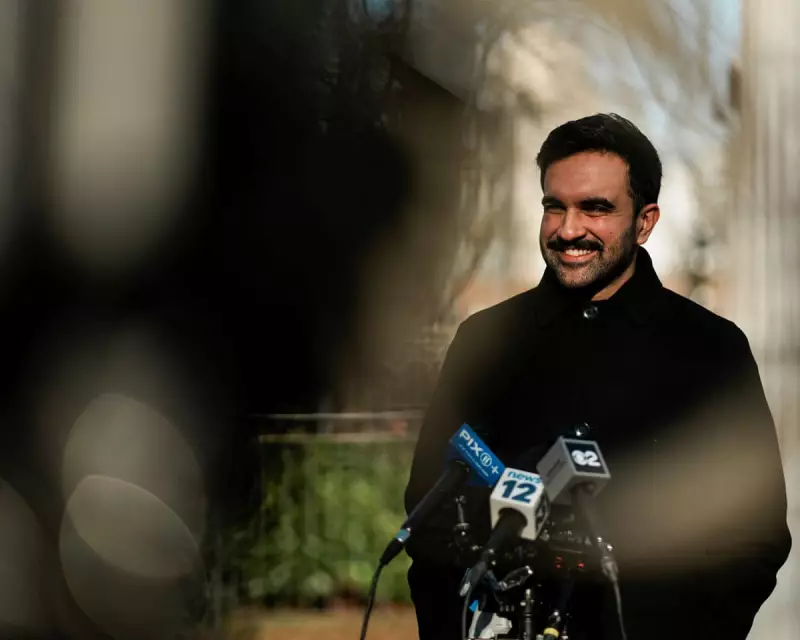
In a powerful display of symbolic politics, newly re-elected New York State Assembly member Zohran Kwame Mamdani chose an unconventional venue for his official swearing-in ceremony: a bustling subway station in his Queens district.
A Ceremony Amongst Commuters
The event took place on Monday, 30th December 2024, at the elevated 30th Avenue station in Astoria, which sits on the N and W lines. Rather than a traditional government building, the sounds of arriving trains and the flow of daily commuters formed the backdrop as Mamdani took his oath of office. He was sworn in by New York City Public Advocate Jumaane Williams, a fellow progressive figure.
This marked Mamdani's third term representing New York's 36th Assembly District, a seat he has held since first being elected in 2020. The assembly member, a prominent figure within the Democratic Socialists of America (DSA), used the setting to underscore his political commitments. He stated the location was a deliberate choice to reaffirm his dedication to the working-class constituents who rely on public transit every day.

Policy Pledges and Political Theatre
In his address following the ceremony, Mamdani framed the subway station as the true "seat of power" for his community. He outlined a clear legislative agenda focused on transit and housing justice. A key promise was his vow to continue fighting for the "Fix the MTA" bill, a piece of legislation he sponsors which aims to make subway and bus services free for all users by increasing taxes on major corporations in New York City.
Beyond transit, Mamdani pledged to champion policies protecting tenants from eviction and pushing for greater public control over housing resources. His rhetoric directly linked the ceremony's locale to his political philosophy, arguing that essential public services like the subway should be fully funded and accountable to the people, not run as a for-profit enterprise.
A Symbolic Gesture with Tangible Aims
The subway station swearing-in is more than a photo opportunity; it is a calculated piece of political theatre designed to cement Mamdani's brand as an activist legislator rooted in the everyday realities of his district. By bringing an official state ceremony into a public, utilitarian space, he seeks to bridge the gap between government and the governed.
This action aligns with a broader trend among left-wing politicians in New York, particularly those aligned with the DSA, to perform their duties in ways that visibly reject the pomp and tradition often associated with political office. The move has been praised by supporters as a genuine act of solidarity, while critics may dismiss it as a mere stunt.
Nevertheless, the event firmly places core issues like public transit funding, corporate taxation, and tenant rights at the forefront of his new term. It sets a definitive tone for Mamdani's ongoing political project: to transform the spaces where ordinary New Yorkers live and work into the central focus of legislative power and policy-making.