Netanyahu's Confidence in Manipulating US Faces Critical Lebanon Test
Benjamin Netanyahu, Israel's longest-serving prime minister, has operated for decades under a personal credo regarding the United States: "America is something that can be moved easily." This conviction, privately expressed a quarter-century ago during a visit to West Bank settlers, now faces what may be its ultimate examination as Netanyahu's determination to continue military strikes in Lebanon threatens to undermine ceasefire efforts and strain the crucial US-Israel alliance.
A Pattern of Overconfidence in Washington
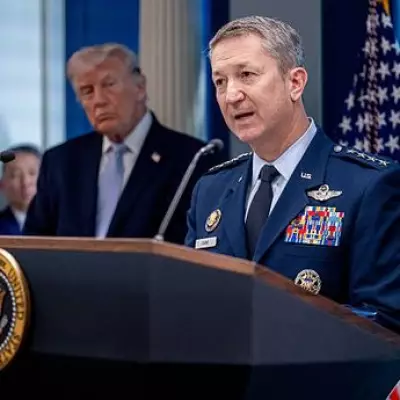
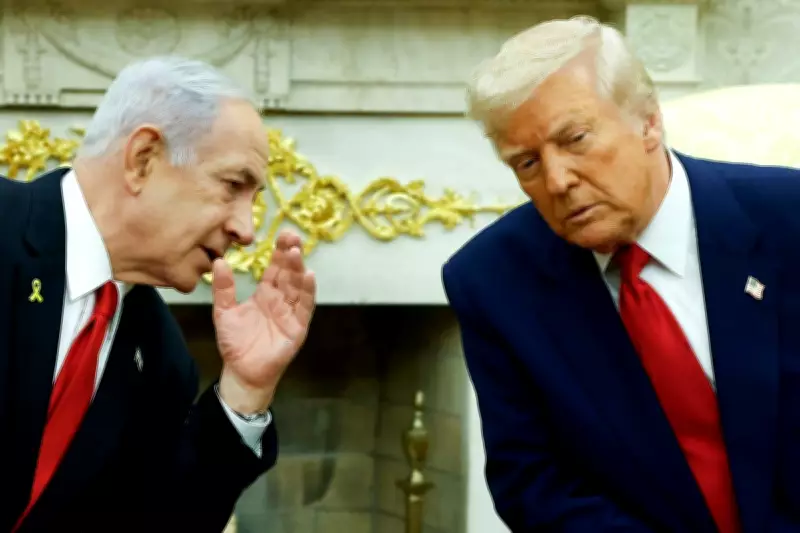
Netanyahu's approach to American relations was vividly demonstrated during his February 11 White House visit, where according to New York Times reporting, he presented an aggressively optimistic case for military action against Iran. The Israeli leader assured President Donald Trump and administration officials that Iran was ripe for regime change, its ballistic missile program could be destroyed within weeks, and the Tehran regime would be too weakened to retaliate effectively.
Despite immediate skepticism from senior US officials present—with CIA Director John Ratcliffe calling the presentation "farcical" and Secretary of State Marco Rubio dismissing it as "bullshit"—Netanyahu's arguments resonated powerfully with the one person whose opinion mattered most: President Trump himself. This dynamic illustrates the Israeli leader's remarkable ability to navigate Washington's corridors of power despite substantive objections from experienced professionals.

Lebanon Strikes Test the Limits of US Patience
The current crisis centers on Netanyahu's continuation of military operations in Lebanon despite ceasefire declarations. On Wednesday, Israeli forces struck approximately 100 targets in heavily populated areas without warning, killing at least 250 people and effectively sabotaging a ceasefire called just the previous day. This represents perhaps the most brazen test yet of Netanyahu's ability to "move America easily," as no other US ally would likely risk such direct confrontation with American diplomatic efforts.
While President Trump has responded with considerably less force than during last year's conflict—merely urging Netanyahu to "dial down" attacks rather than issuing the emphatic "DO NOT DROP THOSE BOMBS" demand of 2025—the situation remains dangerously volatile. Israel continues to trade fire with Hezbollah while simultaneously agreeing to talks with the Lebanese government, creating confusion about whether Lebanon was ever included in ceasefire arrangements.
Political Calculations Behind Continued Conflict
Analysts suggest Netanyahu may have strategic reasons for prolonging hostilities. The Lebanese conflict now threatens to derail planned Iranian negotiations in Islamabad next weekend, potentially serving Netanyahu's interest in avoiding diplomatic engagement. More fundamentally, continuing warfare may be crucial to the prime minister's political survival as he faces mounting domestic criticism for failing to achieve promised objectives in what many Israelis increasingly view as a pointless conflict.
This pattern reflects Netanyahu's broader approach to regional peace. As he has repeatedly made clear, he maintains no genuine interest in achieving a just Israeli-Palestinian agreement—the foundation most experts believe necessary for true regional stability. Instead, his focus remains on managing conflicts in ways that maintain his political position while testing the limits of American tolerance.
The American Dilemma: Continuity or Change?
The critical question now facing the Trump administration is whether it will continue its pattern of subservience to Israeli demands or break with precedent as previous presidents have done in moments of crisis. Historical examples include Eisenhower's confrontation over Suez in 1956, George W. Bush's insistence on Israeli participation in the Madrid summit, and Obama's nuclear agreement with Iran—later jointly destroyed by Trump and Netanyahu.

President Trump possesses significant leverage, including the ability to issue stronger demands or withhold billions in annual funding and weaponry as long as Israel acts against US and global interests. His position is strengthened by Netanyahu's dependence on their personal friendship during an election year, though whether Trump will exercise this power remains uncertain given his general reluctance to break with precedent or act against Netanyahu's wishes.
As General Dan Caine, chair of the Joint Chiefs of Staff, observed during the February meeting: "They know they need us." This fundamental reality underscores that while Netanyahu may appear to be running the show, ultimate authority rests with an American president who holds the cards—if he can bring himself to play them. The coming weeks will determine whether Netanyahu's confidence in moving America "easily" represents enduring political wisdom or fatal hubris at a moment when regional stability hangs in the balance.