Netanyahu's Political Gamble: War with Iran to Salvage Legacy and Power
Netanyahu's Iran War Gamble to Salvage Legacy and Power

Netanyahu's Political Gamble: War with Iran to Salvage Legacy and Power

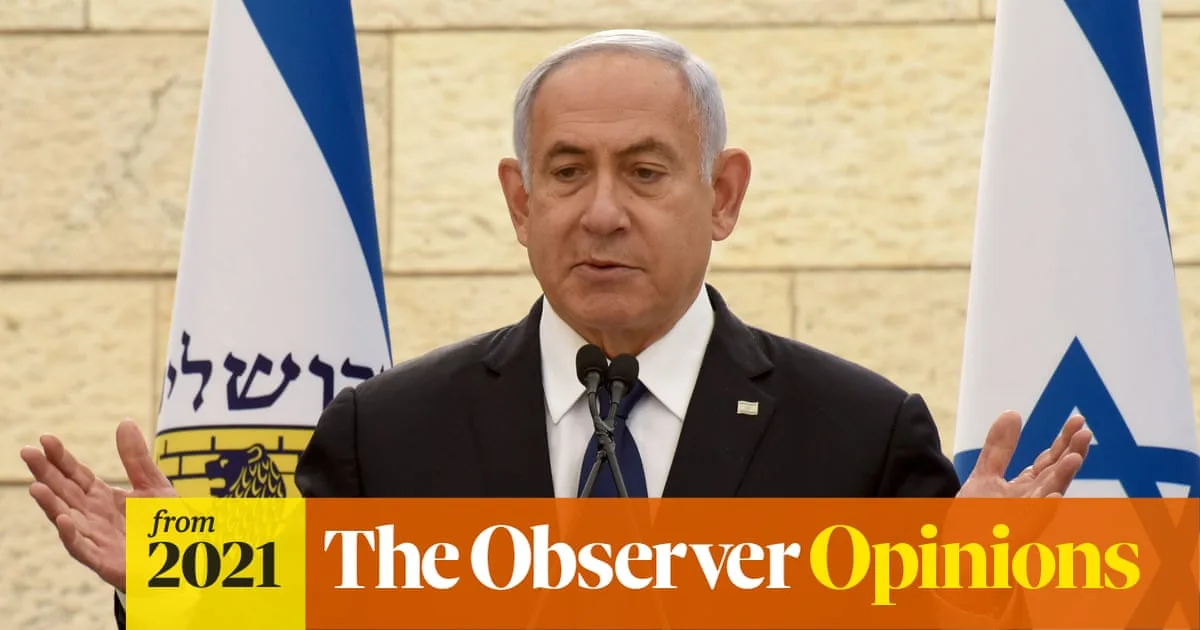
As the conflict with Iran intensifies, Israeli Prime Minister Benjamin Netanyahu faces a high-stakes political battle, with his career, legacy, and personal freedom hanging in the balance. A minister close to Netanyahu revealed to the Haaretz newspaper before the war began, "As far as Netanyahu is concerned, the road to the polling stations runs through Washington and Tehran." This statement underscores the prime minister's strategy of using the war to rehabilitate his image, particularly with a 7 October inquiry looming and corruption charges pending.

Public Support and National Unity

Over three weeks of war, Iranian missiles have killed at least 15 people inside Israel and injured many more, including about 200 in overnight strikes near a nuclear facility in the south. Despite this, public support for the war remains robust. The Israel Democracy Institute reports that more than 90% of Jewish Israelis back the decision to start the conflict in two wartime polls. An overwhelming majority, undeterred by air raid sirens, shuttered schools, and cancelled flights, also supports continued bombing of Iran until its government falls.

Opposition politicians have set aside campaigning for parliamentary elections due this autumn, displaying almost unanimous national unity in backing the attack on Iran. This enthusiasm has sparked speculation that Netanyahu might dissolve parliament early to capitalize on securing US backing for the conflict and the assassination of Iran's supreme leader, Ayatollah Ali Khamenei.

Wide Pickt banner — collaborative shopping lists app for Telegram, phone mockup with grocery list

Netanyahu's Political Survival Tactics

This year's vote will be the first chance for Israelis to have a direct say on their government since the Hamas-led attacks on 7 October 2023. Netanyahu astonished political enemies and allies by retaining power after the bloodiest day in Israel's history, resisting personal responsibility for security failures even as other senior figures apologized and stepped down. However, opinion polls have shown his support stuck below levels needed to return him to power for most of the past two years.

Many Israelis believe Netanyahu sees toppling the Iranian regime or pummeling its military capacities as his best chance to persuade voters to reconsider his legacy, despite last year's 12-day war on Iran having only a negligible impact on support. The minister close to Netanyahu added, "Destroying the Iranian axis of evil is the move that Netanyahu assumed, after 7 October, would rehabilitate his image."

Skepticism and External Perspectives

Questions about Netanyahu's intentions arose soon after the first bombs fell on Tehran. In Yedioth Ahronoth, commentator Sima Kadmon asked if the war responded to "a security need or a coalition need." Yet, most Israelis believe Netanyahu's claim that he attacked Iran to remove an "existential threat," even if it doesn't change their voting plans, according to Tel Aviv-based public opinion researcher Dahlia Scheindlin.

Political challenges to the war inside Israel have mostly come from Palestinian citizens or outsiders like Jonathan Shamriz, a first-time candidate whose brother was taken hostage on 7 October 2023 and later shot by Israeli forces in Gaza. Shamriz lamented the lack of opposition, questioning the war's purpose and duration in a social media post.

International Reactions and Risks

Israeli triumphalism contrasts sharply with external views, where fears of regional escalation, spiraling energy prices, and economic paralysis dominate. In a week marked by the bombing of a girls' school in Iran, likely by US forces, killing at least 175 people, the Jerusalem Post depicted a female Israeli fighter pilot hand-in-hand with an anonymous Iranian woman, co-opting the "Women, Life, Freedom" slogan from anti-regime protests.

In the US, presenting airstrikes as a campaign for women's rights echoes the invasion of Afghanistan. While former President Donald Trump campaigned against foreign interventions, his change of heart hasn't been widely shared, with polls showing majority opposition to what is seen as a war of choice. Trump's mixed signals on the conflict and potential political scapegoating before US midterms in November add to the uncertainty.

Pickt after-article banner — collaborative shopping lists app with family illustration

Diplomatic and Electoral Implications

The war's most high-profile critic from inside the Trump administration, former National Counterterrorism Center director Joe Kent, resigned last week, blaming Israel and its American lobby for starting the war. If this sentiment gains traction, it could severely damage Israel's crucial diplomatic relationship with the US, warned a senior former Israeli intelligence official, highlighting prewar polls showing sliding support for Israel among both Republicans and Democrats.

For Netanyahu, the US-Israeli relationship is an electoral asset, often campaigned on as proof of his international statesmanship. Trump's scheduled visit to Israel in May to collect the Israel prize could showcase close ties if the war ends, potentially boosting Netanyahu's image before the election. However, Netanyahu is also fighting a long-running corruption case, with charges of bribery, fraud, and breach of trust, and has sought a pre-emptive pardon with Trump's backing.

Concerns and Future Prospects

Israeli politicians supporting the war, like Naama Lazimi of the centre-left Democrats party, fear Netanyahu may exploit national sacrifice for personal advantage. Lazimi stated, "Since Netanyahu became a criminal defendant, his political conduct has increasingly been driven by his personal survival." Despite the war, Scheindlin notes no significant rally in trust for the government, with support quickly declining to prewar levels.

The campaign against Iran has muted coverage of the humanitarian catastrophe in Gaza and escalating violence in the West Bank. If polls indicate a hung parliament, parties representing Palestinian citizens of Israel may become crucial for opposition coalitions, though main Jewish opposition parties vow not to partner with them and share similar foreign policy stances.

As global criticism of Israel's actions mounts, with scholars, rights groups, and a UN commission alleging genocide in Gaza, the US remains a vital ally. Eli Leon warned in Maariv that if the war with Iran damages the US alliance, any military triumph could be short-lived, jeopardizing Israel's long-term survival in the region.