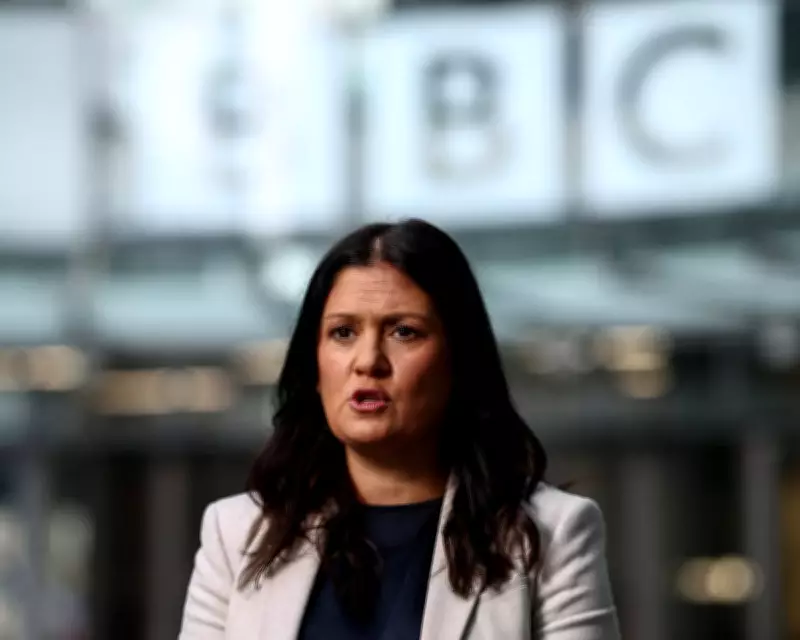
In a landmark move to safeguard the BBC's independence, Culture Secretary Lisa Nandy has committed to placing the broadcaster's charter on a permanent footing for the first time in its history. This significant policy shift is designed to shield the corporation from repeated political interference and escalating culture war assaults, which have intensified in recent years.
Ending the existential threat
BBC executives have long argued that the current system, requiring charter renewal every decade, creates a rolling existential threat to the organisation. This vulnerability has become more pronounced with the rise of Reform UK, a staunch critic of the BBC that has pledged to abolish the licence fee. Nandy emphasised that the BBC, alongside the NHS, stands as one of the nation's most vital institutions, and it deserves protection from such uncertainties.
A call for stability
Speaking at the Society of Editors conference in London, Nandy declared, "We will act to future-proof this vital institution in these stormy times when public debate feels more toxic and polarised than ever." She highlighted the absurdity of a scenario where the BBC could cease to exist if charter negotiations faltered, a risk she asserted would be unacceptable for the NHS and should not be tolerated for the broadcaster.

The proposal marks a major victory for the BBC and its outgoing director general, Tim Davie, who has been a vocal advocate for this change. The corporation formally requested a permanent charter as part of its initial response to government discussions on renewing the current charter, which is set to expire at the end of 2027.
Accountability and governance reforms
While championing the permanent charter, Nandy also underscored the need for enhanced accountability within the BBC. She stated her intention to strengthen the leadership's responsibility not to politicians, but to licence fee payers and staff across all nations and regions. This includes decentralising commissioning power and streamlining internal accountability mechanisms to empower employees.
However, Nandy did not address the BBC's additional demand to end political appointments to its board, leaving this aspect of governance reform unresolved for now.
Historical context and warnings
The concept of a permanent charter was first proposed last year by former BBC News chief James Harding. He warned that it would be "recklessly complacent" to ignore the threat posed by potential political shifts, such as Nigel Farage entering government, which could mirror attempts to defund public media seen in the United States under Donald Trump.
BBC insiders have pointed out that the existing 10-year charter fosters a "recurring threat to the BBC's existence, uncertainty and the potential for political interference." They cite other enduring institutions like the Bank of England, which operate under permanent charters, as models for stability and independence.
This initiative represents a proactive step to fortify the BBC against future political storms, ensuring its role as a cornerstone of British public life remains secure for generations to come.