Lisa Nandy Condemns Labour's Misogynistic Briefings Targeting Female MPs
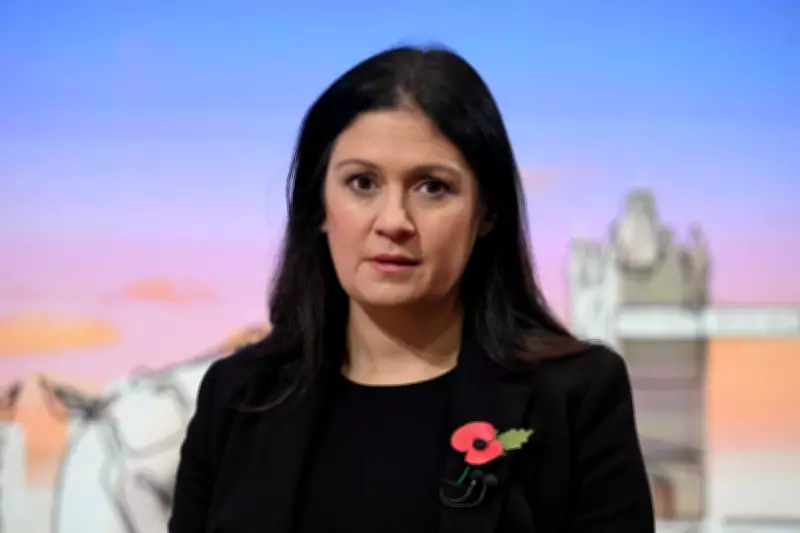
Culture Secretary Lisa Nandy has launched a scathing attack on Labour Party briefings, describing them as "dripping with misogyny" and highlighting a pervasive culture that frequently targets women within Westminster. In a candid interview with Times Radio, Nandy expressed deep concern over the "far too many" anonymous briefings aimed at undermining female colleagues under Keir Starmer's leadership.
Anonymous Briefings Used to Target Women
Ms Nandy specifically pointed to government briefings, including those originating from the prime minister's office, which she claims are routinely deployed to disparage women. "Some of the briefings have absolutely been dripping with misogyny," she stated. "You hear these things about, we’re lazy, we spend too much time with our kids, we don’t spend enough time with all kids – you really can’t win. In the end it’s designed to try to keep us down and to try and stop us from being heard."
Female MPs Demand End to 'Boys' Club' Culture
The comments from Nandy come amidst broader outrage from women MPs who have criticised the government's handling of figures like Peter Mandelson and Matthew Doyle, urging Prime Minister Keir Starmer to dismantle what they term the "Downing Street boys club." This culture, they argue, perpetuates gender-based discrimination and silences female voices in political discourse.

Harriet Harman Presses for Change
In a significant move, Harriet Harman utilised a meeting of female Labour MPs to press Sir Keir Starmer on key structural changes. She called for the appointment of a woman as his de facto deputy and the reinstatement of the position of first secretary of state, aiming to bolster female representation at the highest levels of government. MPs present at the meeting informed The Independent that Mr Starmer promised he would consider the proposal, signalling a potential shift in Labour's internal dynamics.
Broader Implications for Westminster
This incident underscores ongoing tensions within Westminster regarding gender equality and workplace culture. The use of anonymous briefings to target women not only highlights systemic issues but also raises questions about accountability and transparency in political communications. As female MPs continue to voice their frustrations, the pressure mounts on Labour leadership to address these concerns and foster a more inclusive environment.