Lisa Nandy on Labour's Torrid Week and the Need for Solidarity
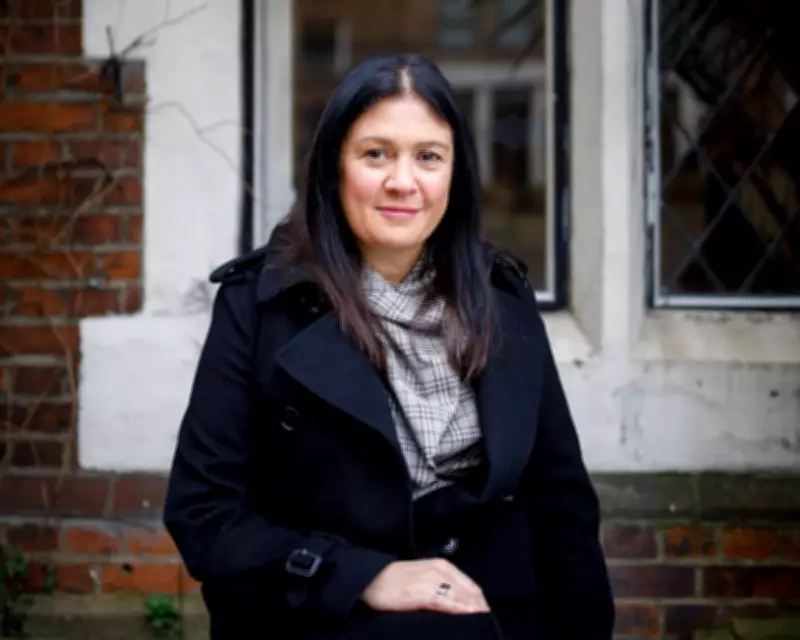
In the aftermath of a near-death political experience for the Labour government, Culture Secretary Lisa Nandy remains surprisingly upbeat. The MP for Wigan, reflecting on a tumultuous week that saw Prime Minister Keir Starmer rally his troops after calls for his resignation, sat down for an exclusive interview at her office in 100 Parliament Street.
"It's been a quiet week!" Nandy quipped with a smile, despite her government's struggles less than two years into power. She introduced her communications adviser, Owen, joking that he was there "in case I say something really fucking stupid, and I have to apologise to the nation."
A Political Legacy and Personal Reflections
Nandy's office reflects her dual roles in culture and sport, with a poster of Hamlet, a painting of a Burnley ginnel, and sports memorabilia including a football from Bury FC. She proudly highlighted the establishment of the Independent Football Regulator as one of her key achievements at the Department for Culture, Media and Sport.

On the wall, a framed photo of Tessa Jowell, her mentor and predecessor, serves as a reminder of her political journey. "I was a proper awkward sod on the backbenches," Nandy admitted, recalling her early days in parliament. "I was the hard left of the Labour party... throwing rocks at them." She later clarified, "Actually, I've always been soft left. I hate that phrase. It makes me sound like a jellyfish."
Confronting the Epstein Scandal and Political Failures
The interview turned to Labour's recent scandals, including the appointment of Peter Mandelson as US ambassador despite his ties to convicted sex offender Jeffrey Epstein. When asked if the situation was a "shitshow," Nandy responded firmly, "You call it a shitshow, I say it's unforgivable."
She elaborated on the systemic issues at play: "What was laid bare in the Epstein files is that there are a group of people in this country and across the world – powerful, wealthy people, mostly men – who control the system, look after their own interests, look after each other and screw everyone else." Nandy argued that this rigged system affects taxation, housing, energy, and opportunities across the UK.
Redistributing Power and Rebuilding Trust
Nandy emphasised that Labour must focus not just on wealth redistribution but on power redistribution. "At times in our history in the Labour movement we've understood that our job is not just about redistributing wealth, it's about who holds power," she said. "I think we've forgotten it."
She pointed to initiatives like youth hubs, where young people make decisions about funding and projects, as examples of putting power back into communities. "We're putting people back in charge of their own lives and their own destiny," she asserted.
Criticism and Resilience
Addressing criticism of her performance, Nandy remained defiant. She referenced a satirical column that labelled her a "minister without any discernible portfolio," but dismissed such attacks. "I've been criticised for not being a cellist, and for coming from Wigan. I kid you not!" she exclaimed.
"I'm not here for those people," she declared. "I'm here for the young people for whom we're rebuilding opportunities and trust... I wake up every day and fight for them, and I don't give a stuff what people like Rob Hutton think."
The Path Forward for Labour
Nandy called for Labour to stop obsessing over individuals and embrace a team-based approach. "It takes a movement to create change, and I think we've forgotten that," she said, citing lessons from the civil rights movement.
She acknowledged the government's challenges, stating, "We've got to wear our colours on our sleeves again, because people need to know why we, in particular, are the answer to their problems." Despite the turmoil, Nandy expressed confidence in Labour's survival, highlighting the cabinet's solidarity during the recent crisis.

As the interview concluded, Nandy reflected on the need for hope and vision, urging her party to move beyond a "government of national emergency" mentality and reclaim its core values to win back disillusioned voters.